Jump to: What is Silver Bullion? | Silver Coins | Silver Rounds | Comparison Chart | Governent Mints and Legal Tender | Why Silver Rounds Cost Less | Collectibility, Demand and Long Term | Selling and Liquidity | Other Silver Investments | FAQs
When entering the world of silver bullion, many new silver investors face a common question: should they buy silver coins or silver rounds? While both are popular ways to invest in precious metals, the difference between them goes far beyond appearance.
In this guide, we break down silver rounds vs coins, explain how each is produced, and explore which option may better suit your investment goals.
Key Takeaways
-
The key difference between silver coins and silver rounds is legal tender status. Coins are government-minted with a face value, while rounds are privately minted with no denomination.
-
Both typically contain 99.9% fine silver and are commonly produced in one troy ounce sizes, making them similar in physical form and silver content.
-
Silver bullion coins generally carry higher premiums due to government backing, recognizability, and potential numismatic value.
-
Silver rounds usually offer lower premiums, as they are valued primarily for their metal content rather than collectibility.
-
There is no universal best option. The choice between silver coins and silver rounds depends on individual priorities such as premiums, liquidity, and recognition.
What Are Silver Bullion Products?
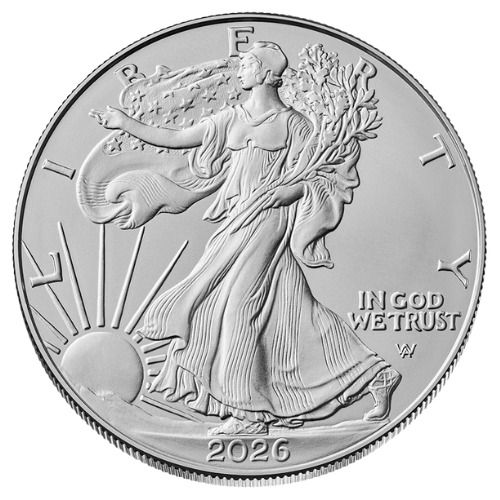
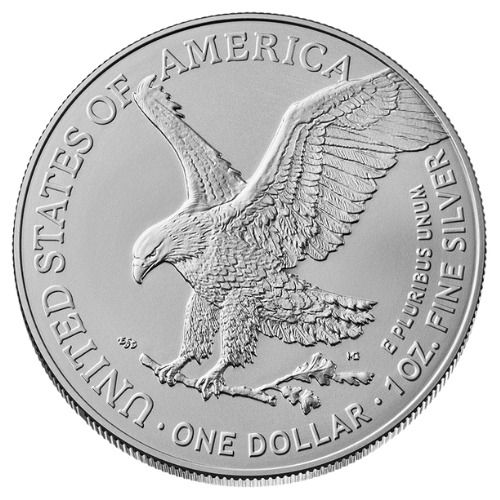
2026 1 oz American Silver Eagle Coins
Silver bullion products are physical silver items primarily valued for their silver content rather than their collectible or face value. They are commonly used by investors seeking exposure to precious metals.
In the global bullion market, most silver bullion products are produced with a minimum fineness of .999 (99.9%) fine silver. This has become the industry norm for investment-grade silver, though there are exceptions, such as 90% US Junk Silver Coins.
In fact, for silver bullion products to qualify for inclusion in a Precious Metals IRA in the U.S., the IRS requires a minimum fineness of .999.
Silver Bullion Coins

Silver bullion coins are flat, disk-shaped pieces of fine silver, typically struck in one troy ounce weights (though larger sizes exist). They are minted by government mints (a.k.a. sovereign mints) and backed by an issuing country.
Some nations that do not own a mint might outsource production of these bullion coins to a private mint. One notable example includes SD Bullion's exclusive Truth Series, minted by the Sunshine Mint and backed by the nation of Niue.
Silver coins key characteristics:
-
Contain at least 99.9% silver content;
-
Carry a stamped face value;
-
Hold official legal tender status;
-
Feature national symbols, history, or cultural designs;
-
Often possess numismatic value in addition to metal value.
Popular examples include the American Silver Eagle, Canadian Maple Leaf (from the Royal Canadian Mint), Austrian Philharmonic, and Mexican Libertad silver coins.
Although they are legal tender, their face value is symbolic and generally far below their actual spot price and market premium.
Silver Rounds

Silver rounds, unlike coins, are produced by private mints rather than governments. The Scottsdale Mint and the Sunshine Mint are two examples of prominent American companies that produce high-quality silver rounds.
While they share the same size, shape, and purity as bullion coins, rounds carry no denomination, no legal tender, and no government backing.
Silver rounds key characteristics:
-
Clearly marked metal content and purity
-
Usually minted in one troy ounce or fractional weights
-
No face value or monetary status
-
Lower premiums compared to bullion coins
-
Designed mainly for metal ownership
Because rounds lack official backing, they function more like disk-shaped silver bars. To the untrained eye, rounds and coins may look similar—but legally and financially, they are quite different.
Key Differences: Silver Rounds vs Coins
|
Feature |
Silver Bullion Coins |
Silver Rounds |
|---|---|---|
|
Manufacturer |
Government / Sovereign mints |
Private companies |
|
Legal tender |
Yes |
No |
|
Face value |
Yes |
None |
|
Premium |
Generally higher |
Lower premiums |
|
Collectible appeal |
High |
Limited |
|
Government backing |
Yes |
No |
|
Numismatic value |
Possible |
Rare |
In short, coins and rounds serve different purposes. Coins appeal to collectors and those valuing history, rarity, and government backing, while rounds offer maximum silver content for the price.
Government Mints and Legal Tender Status
Only government mints can assign a legal tender value and print a denomination on a coin. Attempting to do so privately is illegal.
Major mints producing bullion coins include:
Silver coins often feature mint marks identifying where they were struck. While legal tender exists, it does not reflect real-world value. For example, a Silver Eagle has a face value of $1, but trades based on silver spot price, demand, and premium—not its monetary denomination.
This disconnect between face value and real worth aligns with Gresham’s Law, which explains why precious metal money disappears from circulation.
Counterfeiting Silver Coins vs Silver Rounds: Legal Consequences and Buyer Risks
Counterfeiting silver coins and silver rounds carries different legal consequences because the two products are treated differently under the law. Although both involve producing fake bullion, the distinction lies in legal tender status and the authority of the issuing mint.
Counterfeiting a silver bullion coin is considered a serious criminal offense because these coins are issued by government mints, carry a face value, and are recognized as legal tender. Even if a counterfeit coin contains real silver, falsifying official designs, mint marks, dates, or denominations is treated as a crime against the issuing government. It can result in significant fines and imprisonment.
Counterfeiting a silver round, by comparison, is typically prosecuted as fraud or misrepresentation. Silver rounds are produced by private mints and have no legal tender status, so illegal activity usually involves false claims about silver content, purity, weight, or manufacturer rather than counterfeiting currency itself.
While penalties for counterfeit silver rounds may be less severe, both practices are illegal and can mislead buyers. For this reason, purchasing silver coins and silver rounds from established, reputable dealers helps reduce the risk of acquiring counterfeit bullion products.
Why Silver Rounds Usually Cost Less
Silver rounds are generally cheaper because:
-
They lack legal tender status
-
No numismatic or historical premium
-
Produced in larger quantities
-
Simpler designs
-
No government involvement
For investors focused on weight, paying less premium, and accumulating silver efficiently, rounds behave similarly to bars. This makes them ideal for those seeking metal exposure rather than collectible appeal.
Collectibility, Demand, and Long-Term Performance
Some silver coins appreciate beyond melt value due to limited mintage, historical significance, strong collector demand and unique designs.
Coins from mints like the U.S. Mint often gain higher premiums over time. During periods of crisis—such as 2008 or 2020—government-issued coins consistently outperformed rounds in availability and resale price.
In contrast, rounds typically track silver’s spot price closely. While demand can spike, rounds rarely experience sustained premium expansion.
Selling and Liquidity
Both coins and rounds are easy to sell, provided they are authentic and in good condition.
-
Coins may sell faster due to recognition and collectible demand
-
Rounds sell primarily based on metal content
-
Condition, authenticity, and market demand all affect liquidity
Always verify purchases and sales through trusted dealers to avoid counterfeits.
Other Silver Investment Options
Silver Bars
Silver Bars offer even lower premiums and are available in many sizes. Like rounds, they rely purely on silver content and are favored by bulk buyers.
Precious Metals IRA
A Precious Metals IRA allows investors to hold approved silver coins, rounds, and bars within a retirement account. Assets are stored in secure facilities and must meet IRS purity rules.
Counterfeiting and Security
Counterfeiting exists across all bullion forms. Buying from reputable private companies and well-known dealers ensures authenticity and protects your investment.
Final Thoughts: Which Should You Choose?
There is no universal answer in the silver rounds vs bullion coins debate.
-
Choose silver coins if you value collectible appeal, history, liquidity, and government backing.
-
Choose silver rounds if your priority is maximizing ounces, minimizing premiums, and pure metal exposure.
Understanding these key differences allows investors to build a diversified, resilient precious metals portfolio tailored to their goals.
Is it better to buy silver rounds or coins?
It depends on whether you prioritize collectibility or lower premiums. Coins offer legal tender and historical value; rounds focus on metal weight.
Why are silver rounds cheaper than coins?
Rounds lack denomination, rarity, and government backing, reducing production and demand-related premiums.
Will silver rounds increase in value?
Rounds rise with silver’s spot price. They do not typically gain numismatic premiums.
Are silver rounds hard to sell?
No. Well-known rounds in good condition sell easily based on silver’s market price.