Silver bars beat silver coins on cost: a 1 oz silver bar typically costs $3–$6 less per ounce than a 1 oz American Silver Eagle — because bars carry premiums of roughly 5–10% above spot versus 15–25% for popular sovereign coins.
Jump to: Comparison Chart | Definitions | Silver Coins | Silver Bars | Counterfeit Risks | Tax Considerations | Performance in Financial Crisis | Portfolio Allocation | Where to? | FAQs
The silver bars vs silver coins debate comes down to portfolio strategy and investment goals. In an investment portfolio, both silver coins and bars play different roles, balancing liquidity and cost efficiency.
Keep reading to learn more.
Key Takeaways
-
Different roles: In any investment decision, silver bars tend to be more cost-effective, helping investors acquire silver efficiently, while coins tend to offer stronger liquidity and resale ease.
-
Trust factor: Government-issued coins include advanced authentication features and legal backing, making them more reliable and liquid in uncertain markets.
-
Premium dynamics: Silver bullion bars are preferred for long-term accumulation due to lower cost, whereas coins often carry higher premiums driven by demand and collectibility.
-
Strategy fit. The right choice depends on goals: some choose investing in silver bars for efficiency, in coins for liquidity, or both to balance their approach.
Comparison Chart
|
Silver Bars  |
Silver Coins  |
|
|
Premium over spot |
Lower Per Ounce (oz) |
Higher |
|
Resale flexibility |
Can vary; often influenced by size and buyer demand |
Typically higher in retail markets |
|
Recognizability |
Moderate (depends on the mint) |
High (usually government-backed) |
|
Numismatic appeal |
Little to None |
Generally High |
|
Investment Strategy |
Long-term wealth preservation for institutions and investors alike |
Ease of resale & trust |
Comparison Pricing: 1 oz Silver Eagle Coin vs 1 oz Silver Bar
Definition of Silver Coins and Silver Bars
The distinction may seem obvious, but it is important to start from. The definitions of each product clearly indicate how they function as bullion assets.
Silver Coins are precious metals wafers struck in a coin format by a government mint, typically stamped with a legal tender face value. Sizes may vary, but a troy ounce is the most common and widely traded unit. They can even be used in individual retirement accounts.
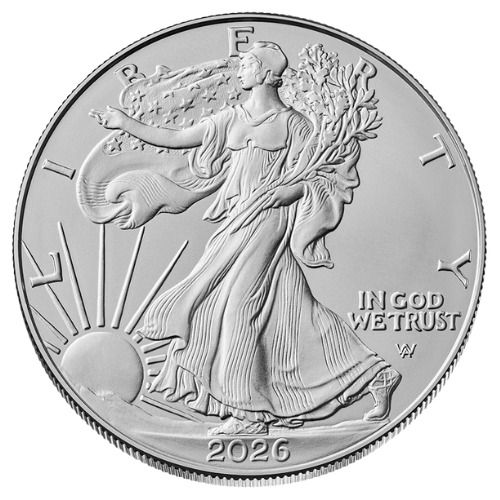
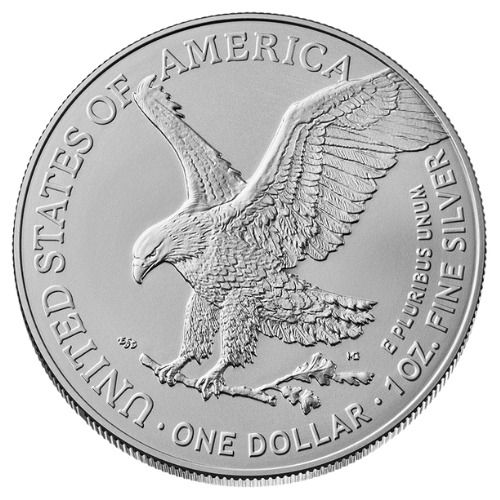
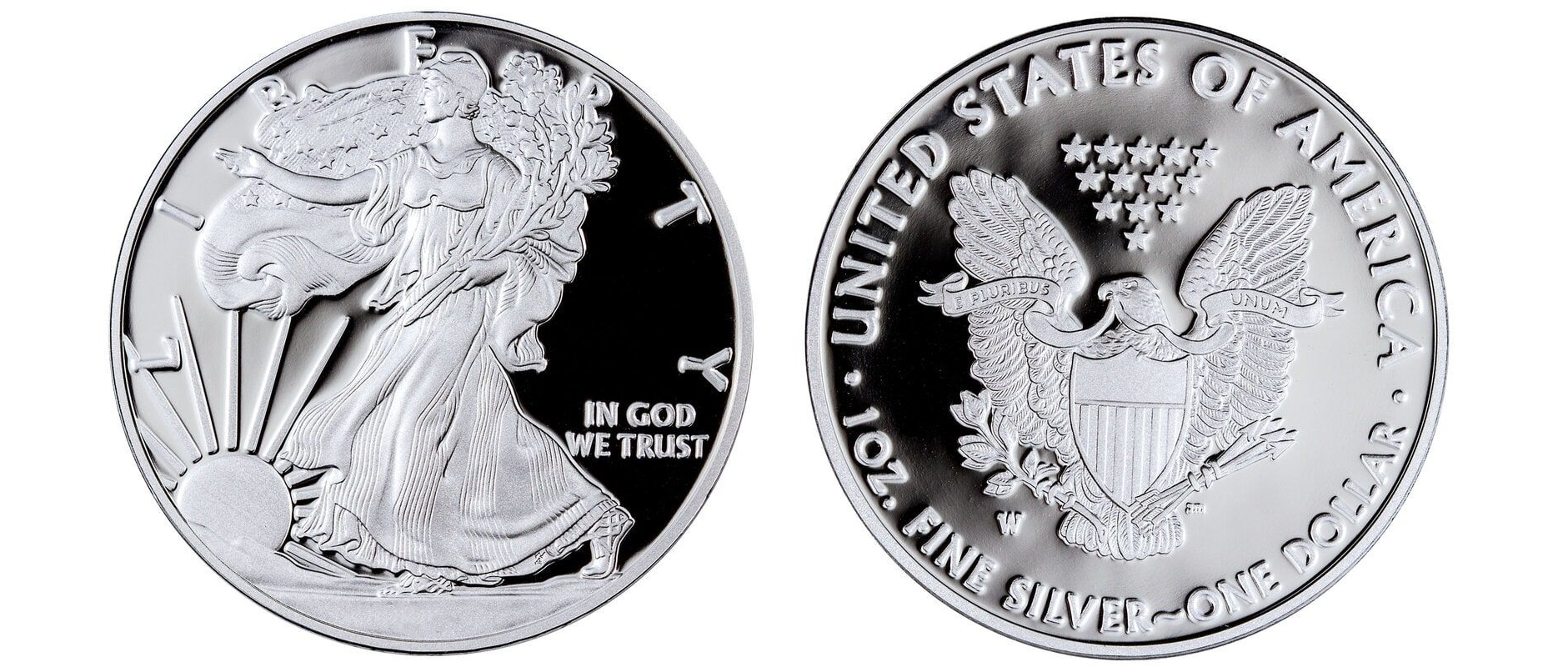 American Silver Eagles are the most popular silver bullion coins, featuring iconic symbols like Lady Liberty and the bald eagle. Their legal tender status and semi-numismatic appeal make them highly liquid.
Silver Bars usually come in the shape of a block, struck mostly by private mints, but also by a few select government mints, such as the Royal Canadian Mint. Typically, silver bars do not carry a legal tender face value and cost less per troy ounce than silver coins.
Both products should have a minimum fineness of 999 percent to be IRA-approved.

Silver bars, like gold bars, derive their value primarily from metal purity rather than design, though some, such as the Lady Fortuna, still carry great prestige due to their production quality and security features.
Aside from silver bars, you might also ask yourself which is better: Silver Coins or Silver Rounds?
Silver Coins
Now, how are they fit for each investing profile? Let me start with the coins.
Silver Coins: Struck & Guaranteed by Government Mints
Governments have a monopoly on defining legal tender, and only they can issue silver coins with official face values, meaning a coin will never be worth less than its stated denomination.
Because of this, silver coins are widely recognized and backed by the issuing government, which backs their purity, metal content, measures, and weight, providing strong assurance of authenticity and strong demand.
In practical terms, this legal tender status means a 1 oz American Silver Eagle could technically be used to make a one-dollar purchase, even though its market value is far higher.
This same government backing is also why many believe legal tender silver coins would be more trusted for bartering than other forms of silver, even in extreme or uncertain scenarios.
National Mints that produce modern silver bullion coins include:
Numismatic value
The numismatic value of a coin depends on its rarity, purity, quality, and market demand, as well as factors that affect the price a collector will pay, such as historical significance and intricate designs.
Most silver bullion coins are valued mainly for their metal content in the silver market, but numismatic coins derive additional value from scarcity, condition, and collector demand.
The Morgan Silver Dollars are a good example of how a Silver coin can hold numismatic value.
They were produced at two points in time: first from 1878 to 1904, and then again in 1921. These pieces are 100 years old; they feature George T. Morgan’s rendition of Lady Liberty, a classic design constantly referenced even in modern coins.

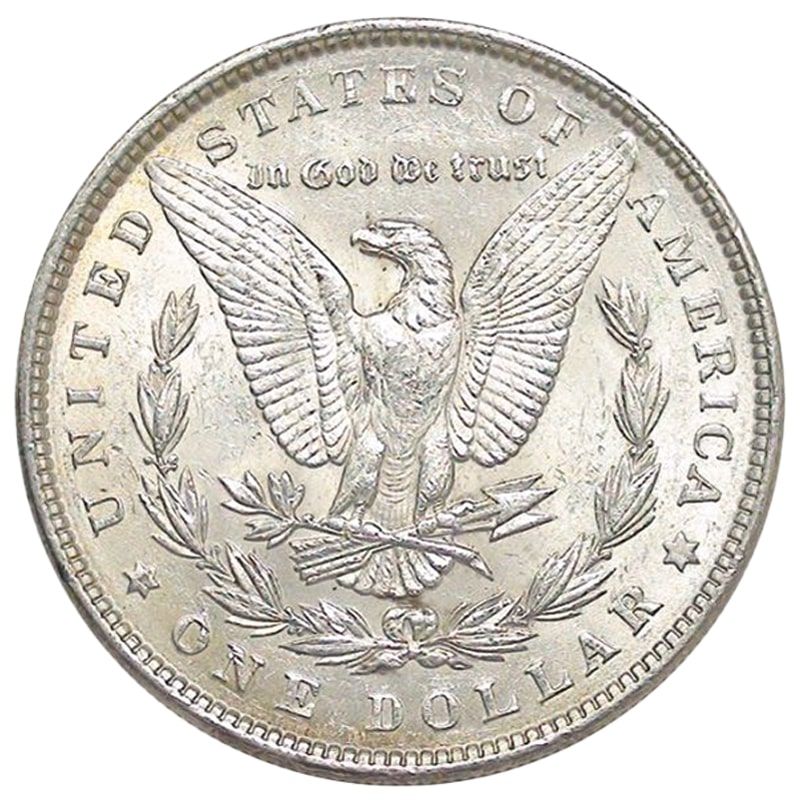
They tend to appreciate in value because they aren't readily available in circulation and aren't produced except in special editions.
One piece has 0.7734 Troy Oz of 0.9000 silver. So they don't compare to modern bullion coins in terms of purity and silver amount, so their value relies mainly on their rarity, conserved condition, and historical value.
Junk Silver
Contrary to numismatic coins, junk silver refers to pre-1965 coins made of 90% silver that held no collectible value; these include US Dimes, Quarters, and Half Dollars dated before 1965.
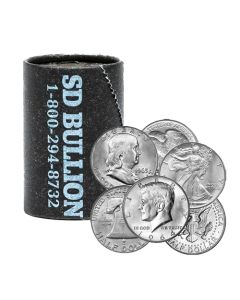
Unlike many coins, junk silver coins are valued primarily for their silver content rather than any collectible attributes. They can offer a reliable store of value and a simple exposure to silver for beginners.
Silver Bars
Not every government mint produces bullion bars. The Royal Canadian Mint and the Perth Mint are examples of governments that produce both silver bars and coins.
Silver in bar form doesn't have the same numismatic potential as coins, but it carries lower premiums over spot because its minting costs are lower and its designs tend to be simpler, with potential lower transaction fees, especially in cast silver bars.
Let me explain why:
Silver Bar vs. Cast Bars
Minted Bars: Unlike cast bars, minted bars have a polished and refined appearance. They are made from gold strips cut and stamped with details and designs. They can sell quickly, often with security features such as holograms, serial numbers, and assay certificates.
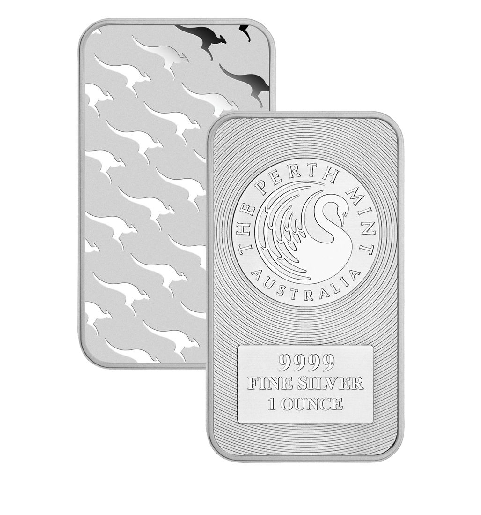
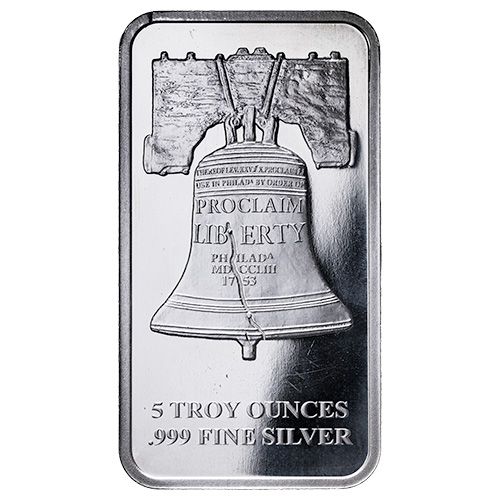
The precise manufacturing, inspection, and polishing make them more visually appealing, frequently leading to higher premiums.
Cast Bars: Cast gold bars are among the most basic forms of bullion, produced by pouring molten gold into molds. The manufacturer's name, weight, and purity are engraved afterward.
They’re simple in design, often available in larger sizes, and offer lower premiums due to their lower production costs.

However, their rough appearance can make them less appealing to buyers, potentially resulting in a lower liquidity.
Silver Bars for More Ounces Overall: Low Premiums on silver
Although there are a few exceptions, most silver bars are struck by private mints.
If your highest priority is getting the most silver weight for your money, silver bars and silver rounds could be considered better general options than silver coins. Because premiums are typically lower, you can acquire more pure silver per dollar invested.
You will yield less if you ever decide to sell bars versus silver coins. But the bid-ask spread between silver bars should be slightly tighter than government-issued bullion coins.
When it comes to holding value, however, lower-mintage, limited-edition, high-quality silver coins might be the best option.
Counterfeit Risk & Verification
Counterfeiting is the creation of replicas of products to deceive people, and it is the same as counterfeiting money, which is considered a federal crime.
Silver is more affordable, traded in larger volumes, and more prone to replicas. Mints responds by investing in high-tech features that emphasize physical verification, such as laser-etched details, serial numbers, and specialized finishes, on silver bars and coins.
Let me show you two examples.
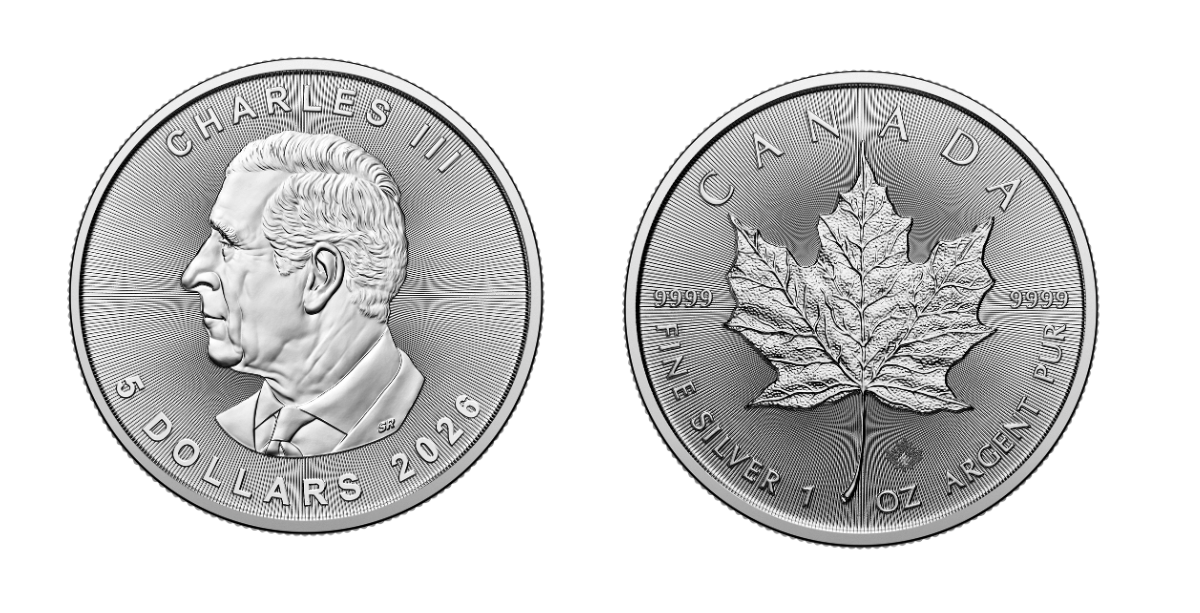
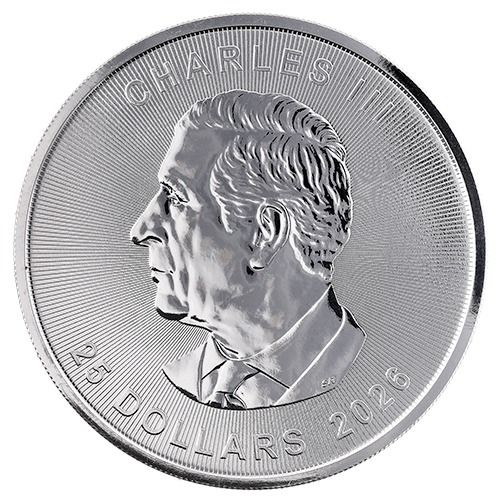
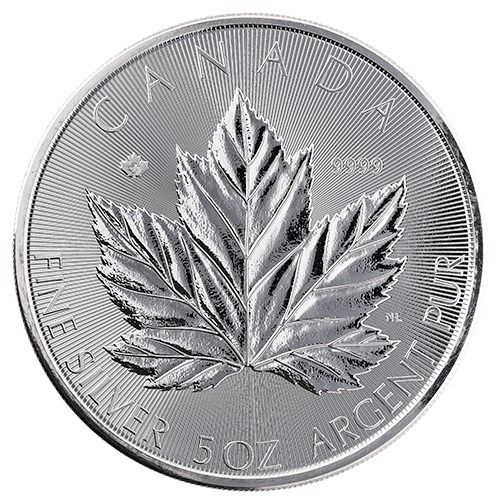
The Royal Canadian Mint has developed a unique authentication system for each coin it produces to prevent counterfeiting: Bullion DNA, which stands for Digital Non-Destructive Activation.
During the registration process of the Canadian Silver Maple Leaf, each coin receives an encrypted string of codes, which are stored in the RCM’s database. Only specific scanners can read the encrypted code.
The Royal Mint (UK) has also taken measures. One of the anticounterfeiting measures on the Silver Britannia Coin is the micro-text “Decus et Tutamen,” which means “an ornament and a safeguard” in reference to Britannia’s artistry.
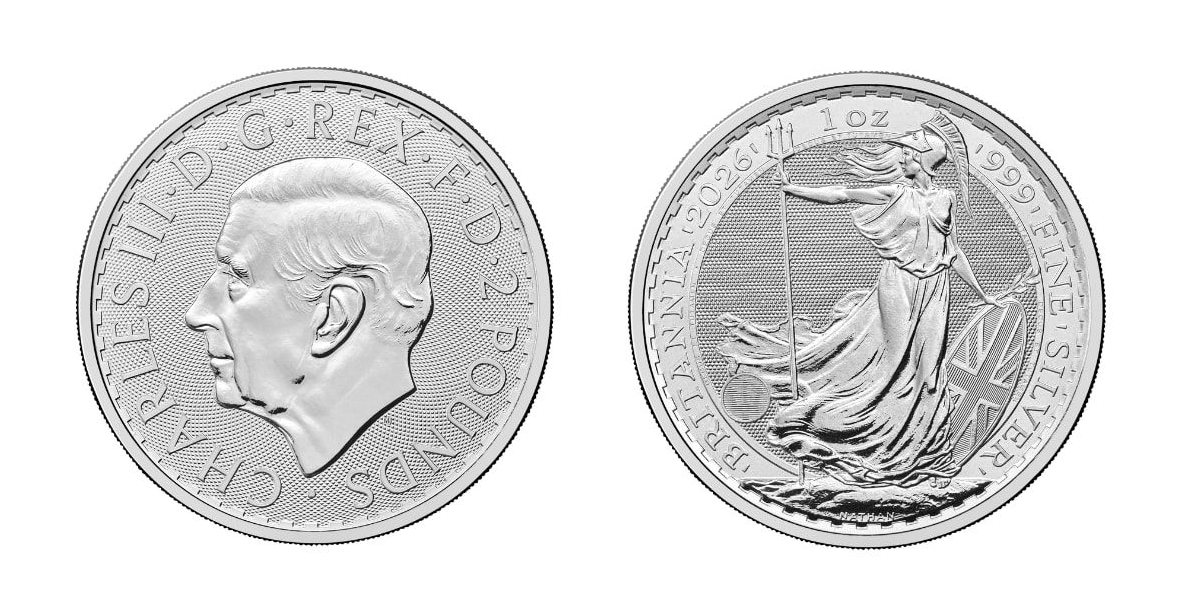
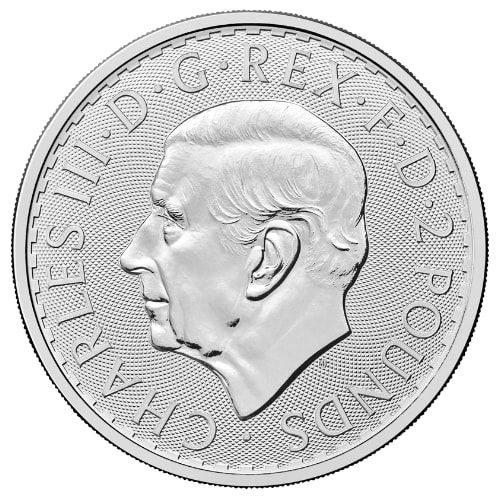
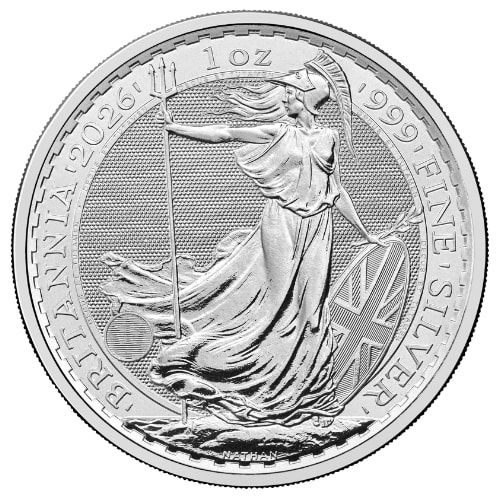
As you move the coin, the image on the lower left changes from a padlock to a trident. The movement also brings life to the background waves through the surface animation.
Finally, Britannia’s shield is imprinted with tincture lines alternating patterns.
Silver Selling Privacy Concerns: Tax Considerations
Capital Gains
In simple terms, the IRS (Internal Revenue Service) classifies physical silver and other precious metals as collectibles.
As a result, any profit realized upon sale may be subject to capital gains tax, up to a maximum rate of 28%, depending on your tax bracket.
Reporting
Now, reporting requirements generally apply when transactions involve $10,000 or more in cash.
In summary, silver bullion itself does not generate taxable income while it is held. Tax implications arise only when the bullion is sold, and a gain is realized.
Silver Coin vs Bars Performance During Financial Crisis
To give a more recent example of how silver performs in times of crisis, after a few years of relatively stable prices, silver reached around $100 per ounce, following gold’s historic price path in the last year of 2025.
Take a look at a screenshot of our Gold-Silver Ratio to illustrate market conditions. The graphs show that currently, one needs more than 50 ounces of silver to purchase one ounce of gold.
And why do you need to know this? Because when prices rise sharply, affordability and divisibility become crucial for investment planning.
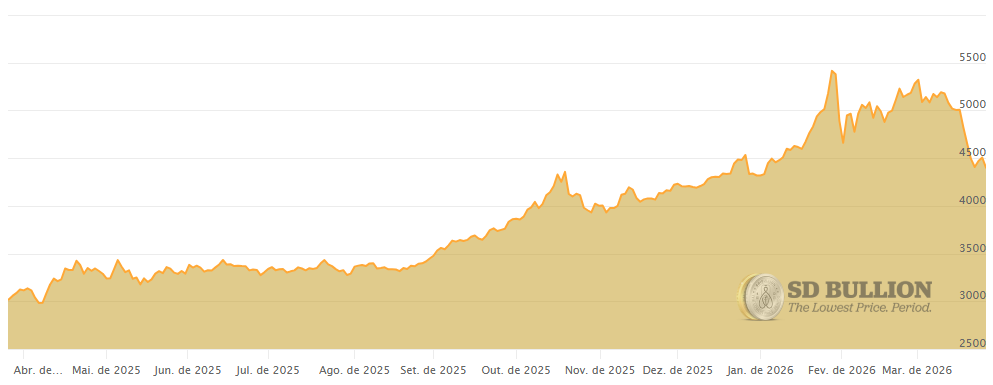

Also, check out the Silver Prices Today.
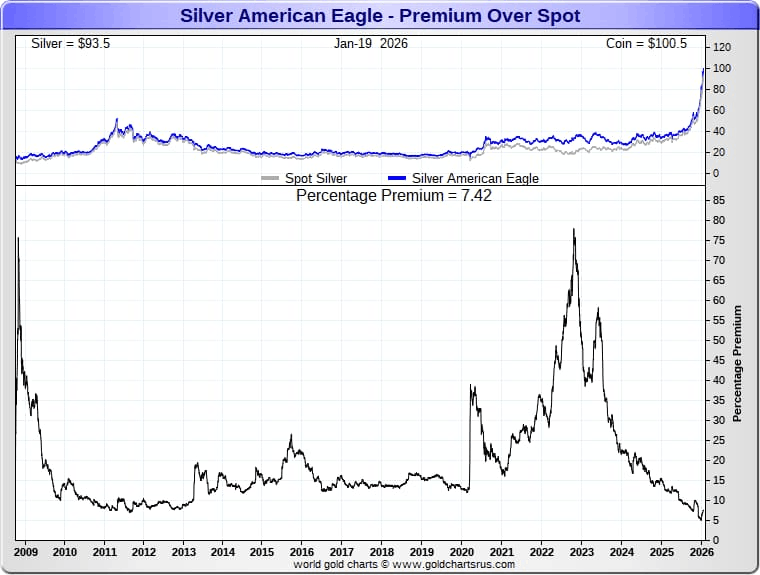
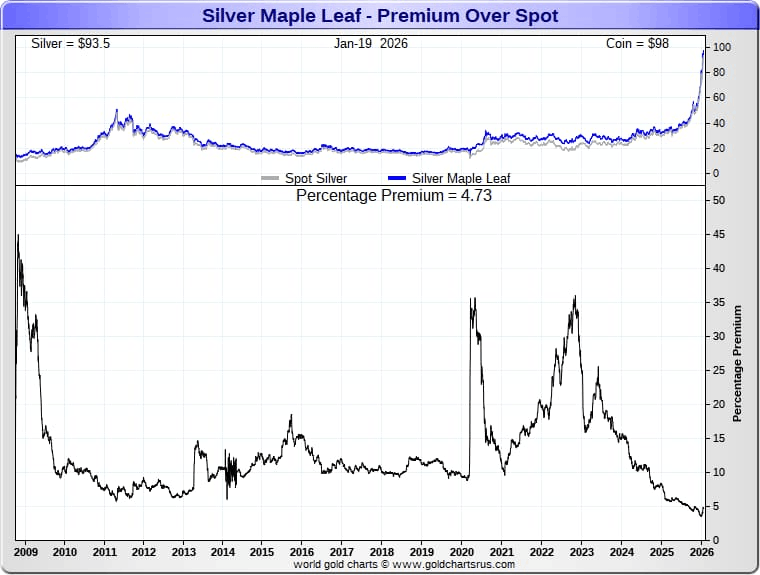
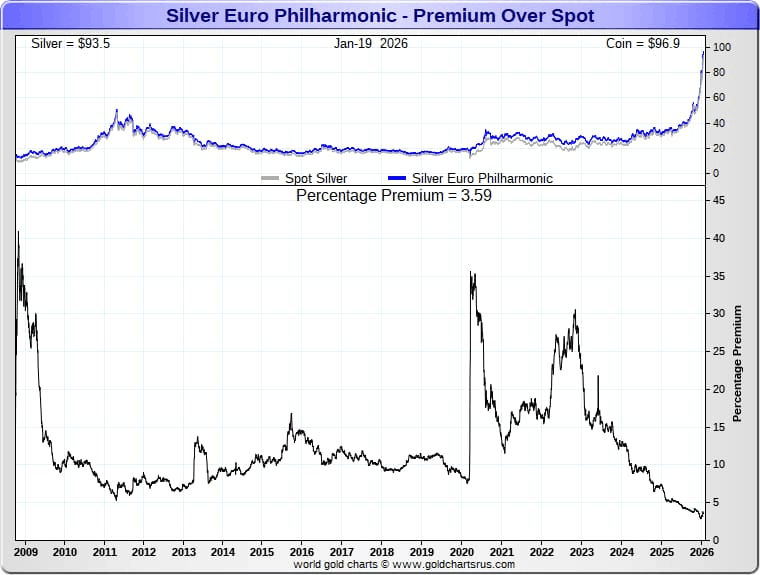
Pay attention to the far left side ← AND on the far right side → of the following Silver Coin price premium charts.
American Silver Eagle Coins
Canadian Maple Leaf Silver Coins
Austrian Silver Philharmonic Coins
90% Silver Coins
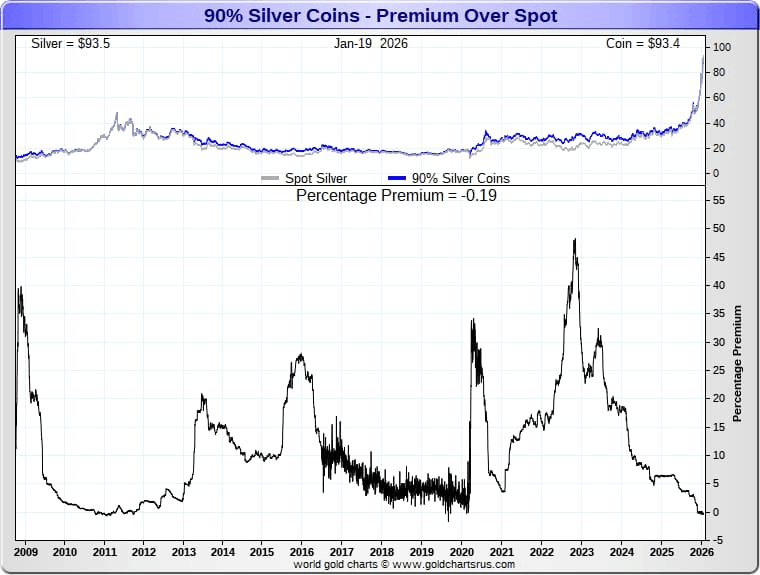
Silver entered the first semester of 2026 at above $90. Heightened geopolitical uncertainty, including developments in Latin America and the Middle East, has reinforced safe-haven demand for both gold and silver.
In times of economic uncertainty, government-issued silver coins enjoy the highest demand and the largest pool of potential bidders.
Lack of trust in the future typically attracts new silver bullion buyers to the market due to concerns about further losses in fiat currency savings or other asset classes that have been stricken.
This new pool of silver bullion buyers typically trusts government-issued silver coins first.
Portfolio allocation
A common principle in precious metals investing is portfolio diversification. As the term suggests, investors allocate their savings across different asset classes, such as stocks, bullion, and real estate.
Gold investors often allocate a portion of their wealth to silver as well. Due to its lower price point, silver offers a more accessible entry for new investors while also serving as a practical diversification tool for more experienced ones.
Where to store, buy, and sell silver coins and bars?
The Secondary market tends to be more popular for that kind of sale, as it includes private sellers, local coin shops, and online dealers.
Though it is completely possible to find reputable dealers online, make sure to proceed with caution and conduct proper research. Prefer established online bullion dealers to avoid scams and pitfalls. You will usually find lower premiums online than from brick-and-mortar shops.
Regarding storage, as with any investment, purchasing silver comes with drawbacks. Before purchasing silver bars or coins, make sure to have a "storage space" plan. Coins usually take less space compared to silver bars. You can store them in a safe deposit box, at home, or at the bank. Or even hire a depository service.
But, if you purchase them to fund an IRA, the IRS commands you to store your silver investment in a secure and licensed third-party depository.
Key Considerations
| Feature | Silver Coins (1 oz Eagle) | Silver Bars (1 oz Generic) | Silver Bars (10 oz) | Silver Bars (100 oz) |
|---|---|---|---|---|
| Typical Premium Above Spot | ~15–25% | ~5–10% | ~3–6% | ~2–4% |
| Legal Tender | Yes ($1 USD) | No | No | No |
| Purity | .999 fine | .999 fine | .999 fine | .999 fine |
| Recognizability | Very High | Moderate | Moderate | Moderate |
| IRA Eligible | Yes | Yes (approved mints) | Yes (approved mints) | Yes (approved mints) |
| Resale Ease | Very Easy | Easy | Easy | Moderate |
| Best For | Liquidity, barter, collectors | Cost-efficient stacking | Best premium balance | Maximum ounces per dollar |
As you have seen, there is no single right answer here. Silver bars generally lead in price, while silver coins offer greater liquidity, recognizability, and the potential to retain numismatic value over time.
Stacker POV: 1 oz Silver Eagle vs 1 oz Silver Bar
Both products contain exactly 1 troy ounce of .999 fine silver — but from a pure stacking perspective, bars consistently deliver superior efficiency.
Here’s why experienced stacker buyers lean toward bars:
Lower Premiums: In real-world buying, Silver Eagles frequently carry premiums in the 15–25%+ range over spot, especially during periods of strong retail demand. 1 oz silver bars, by contrast, typically fall in the 5–10% range. That difference compounds quickly when you’re stacking bullion in volume. Paying materially less per ounce means you accumulate more silver over time — period.
More Silver for Your Money: When you buy government coins, you’re paying for legal tender status, branding, and collectability. As a focused stacker, that’s secondary. With bars, a larger percentage of every dollar goes directly into physical silver weight. On a fixed budget, that often translates into meaningfully more total ounces in your vault.
Lower Production Costs = Better Efficiency: Bars are simpler and cheaper to produce than high-detail sovereign coins with advanced security features. Those manufacturing savings are reflected in the lower premiums you pay. From a stacking standpoint, there’s no reason to absorb extra fabrication cost if your goal is bullion weight.
Straightforward Valuation: Bars don’t carry a numismatic angle. Their value tracks almost entirely with spot price and purity. That simplicity makes portfolio tracking cleaner and removes the speculation component that can come with sovereign coins.
If your objective is stacking for long-term wealth preservation and maximizing ounces, bars are the disciplined choice. Eagles have their place — but for a focused stacker, premium efficiency wins.
Ultimately, the more important question is not which product is better, but which investor you are and which option best aligns with your goals.
If you are also interested in buying gold bullion products, check out our article on Gold Coins vs Bars.
Which is the better investment, Silver Coins or Silver Bars?
It depends on your investment goals. Silver bars are more cost effective for acquiring larger quantities at lower premiums, making them ideal for long-term accumulation. Silver coins, on the other hand, can offer higher liquidity, stronger recognizability, and are generally easier to resell in smaller increments.
Why Invest In Silver Bars?
Silver bars are a cost effective way to acquire silver, as they typically carry lower premiums over the spot price. This allows investors to accumulate more metal for the same budget, making bars especially suitable for long-term strategies focused on wealth preservation and bulk ownership.
Why invest in silver coins?
Silver bullion coins are widely recognized and backed by their respective government mints, which enhances trust and liquidity. They are often reported to be easier to trade and sell in smaller amounts, and some may carry collectible value. This makes them a flexible option for investors who prioritize accessibility and resale potential.
What are 90% silver coins?
90% silver coins, often referred to as junk silver, are coins minted primarily before 1965 that contain 90% silver and 10% other metals. They are valued mainly for their silver content rather than collectibility and are commonly used by investors seeking fractional and practical silver exposure.
How much silver is allowed to keep at home?
In most countries, there is no legal limit on how much silver you can store at home. However, as your holdings grow, it becomes important to consider proper storage solutions, security measures, and insurance to protect your investment from theft or damage.
What are the best silver coins to own?
The most purchased silver coins are typically those with high purity, strong market demand, and global recognition. Popular examples include American Silver Eagles, Canadian Maple Leafs, and Austrian Philharmonics, as they are widely trusted and easy to buy, sell, and verify.
What are the easiest silver coins to sell?
Silver coins to sell are widely recognized bullion coins such as American Silver Eagles and Canadian Maple Leafs. Their strong demand, government backing, and high purity make them popular among dealers, online platforms, or private buyers in most market conditions.