Jump to: Understanding Gold Prices | Precious Metals as an Investment | Understanding the Stock Market | Economic Uncertainty and Market Volatility | Benefits of Safe Haven Assets | Historical Performance
Non-physical gold vehicles often offer greater liquidity and market exposure, whereas physical gold is often viewed by many investors as a tool for long-term wealth preservation and defensive positioning.
The more important issue, though, is not which asset is better, but whether the objective is growth or risk management during uncertain conditions. In this article, I delve deep into the reasons why physical gold is seen by many experts as a safe haven against economic uncertainty and times of geopolitical tensions.
KeyTakeaways:
-
Non-physical investments offer high liquidity and market exposure, whereas tangible gold remains on of the more popular vehicle for long-term safe-haven protection among many investors.
-
A common investment portfolio typically combines growth assets and defensive holdings, aligning investments with risk tolerance, time horizon, and financial objectives.
-
Investors often evaluate assets in context, comparing growth potential, defensive value, and market behavior to build a portfolio that can adapt to changing economic conditions.
Understanding Gold Prices
Gold prices are mainly influenced by geopolitical uncertainty, high inflation, and market volatility, with periods of economic instability often driving increased demand and pushing prices higher.
Vehicles such as gold ETFs provide market exposure without requiring investors to hold physical metal, while monitoring trends can help investors better understand market behavior.
Recent changes in precious metals prices suggests a notable shift in people's sentiment towards precious metals, particularly gold, which saw strong momentum this year; in the final week of January, prices reached the $5,000 per ounce.
The same period also marked a rare milestone for silver as well, with prices reaching $100.
Their performance sometimes is interpreted as reflecting their perceived role in financial security, while also hinting at how shifts in confidence toward fiat money may influence investor behavior.

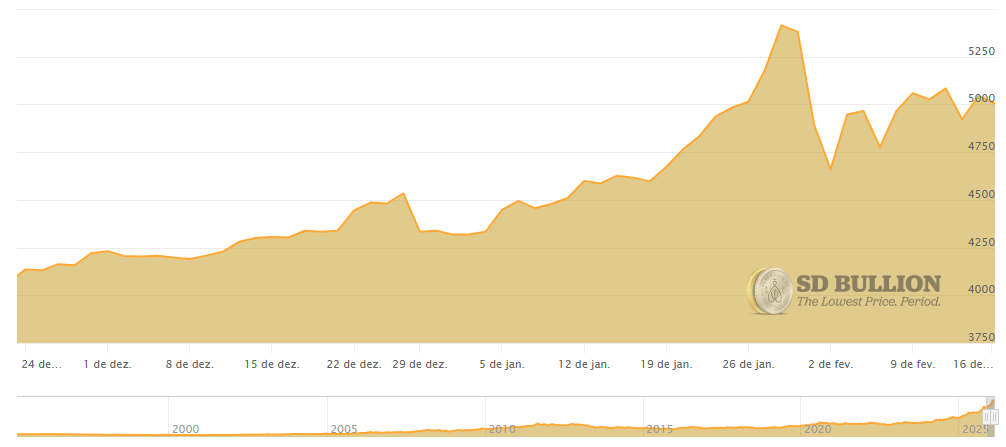
The chart above shows how gold prices have risen through the end of last year into February 2026, offering investors a useful reference point for review.
We did a whole analysis on what happened to silver here.
Precious Metals as an Investment
Gold's value is shaped by supply and demand, and investors can gain ownership through physical assets, ETFs, or other vehicles, making them a flexible addition to a diversified portfolio.
Investing in the stock market involves buying shares in companies with the expectation of growth, income, or both. Approaches range from long-term investing to short-term trading, depending on objectives and higher risk tolerance.
Let's dive into it.
Understanding the Stock Market
Gold stocks are shares in companies that explore, mine, or finance gold production. Instead of owning tangible gold, investors are interested in how these companies perform within the stock market. Their value is influenced not only by gold prices but also by corporate performance and broader economic conditions.
There is often a correlation between gold prices and gold stocks, but multiple factors can shift outcomes, including operational efficiency, leadership decisions, production costs, and market sentiment. Because of this, returns can be affected by both commodity trends and business execution.
For shareholders, gold stocks may provide dividends when companies are profitable, adding an income component. Conversely, if operational or market challenges arise, stock performance may weaken even when gold prices rise.
As a result, gold stocks offer exposure to precious metals while remaining subject to the opportunities and risks associated with publicly traded companies.
Economic Uncertainty and Market Volatility
Gold’s behavior during economic uncertainty reinforces its role as a defensive asset.
Events like the pandemic shock illustrated this dynamic: gold held firm while equities and other metals became more volatile, a pattern that continued into early 2026.
The Silver/Gold ratio helps show this relationship. When the ratio falls, it means silver is rising faster than gold (or gold is lagging). The recent sharp drop in the ratio signals strong silver price gains amid current geopolitical tensions.
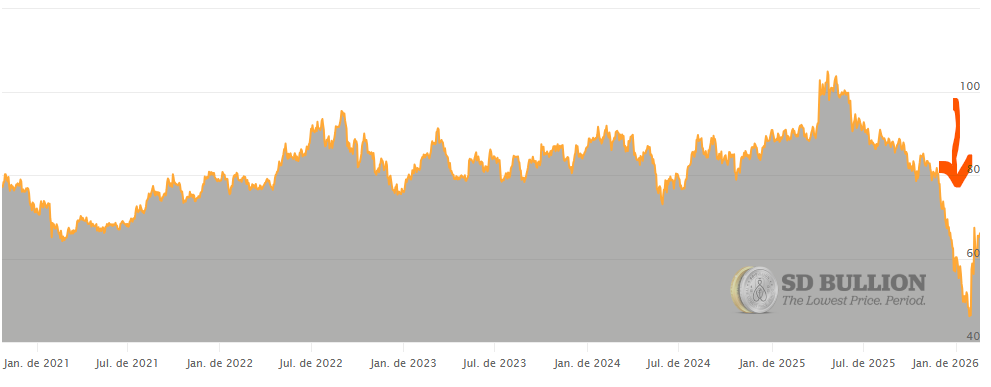

Some investors view this pattern as reinforcing the role of precious metals (specially gold) in capital preservation.
Benefits of a Safe Haven Investment
Gold, unlike other investments, generates no income like dividend-paying stocks or interest-bearing bonds; in contrast, its primary association is weatlh preservation, contributing long-term security within a diversified portfolio.
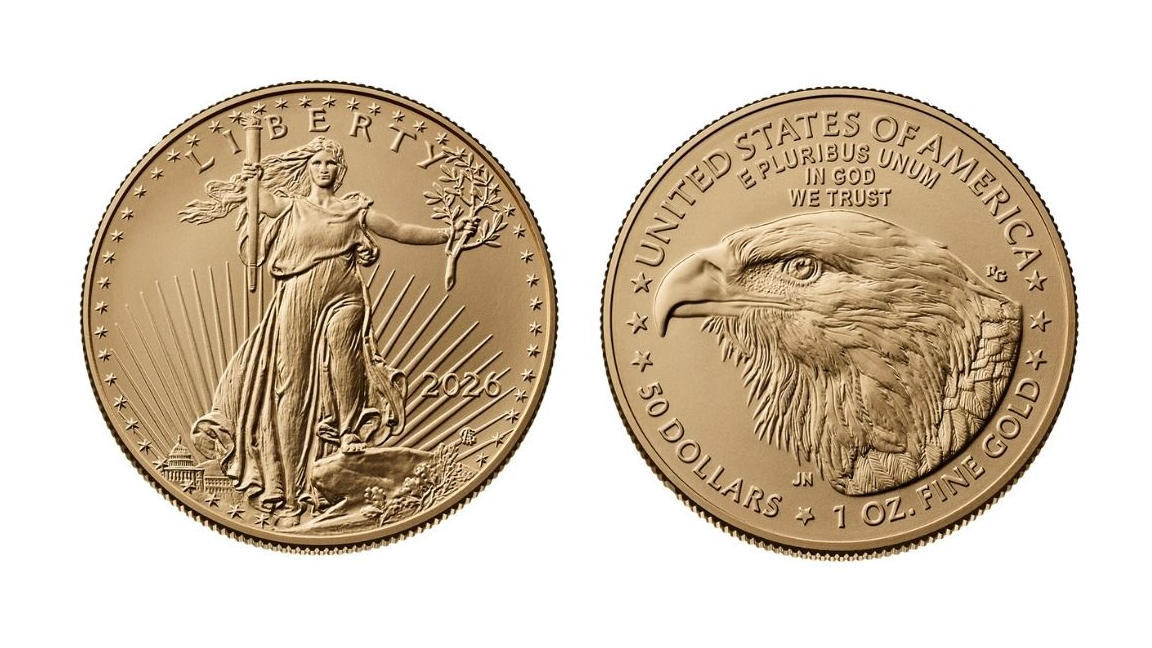
When it comes to physical assets, investors often compare coins and bars: for example, coins generally offer greater flexibility and recognizability when it’s time to sell, while bars tend to carry lower premiums per ounce, making them more efficient for bulk storage and larger allocations.
Diversification strategies sometimes include both growth-oriented and defensive assets such as gold, allowing investors to pursue returns while maintaining a foundation of protection.


Historical Performance of Gold vs Stocks: Making Informed Investment Decisions
While stocks have historically generated stronger returns over multi-decade periods, gold has outperformed in certain shorter intervals, working as an inflation hedge, particularly during times of market stress.
Take a look at the chart below as we make a simple comparison between gold (oz) prices in US dollars, against two of the Major gold mining stocks in the world, NewMont Corporation (NEM), and Agnico Eagle Mines (AEM).
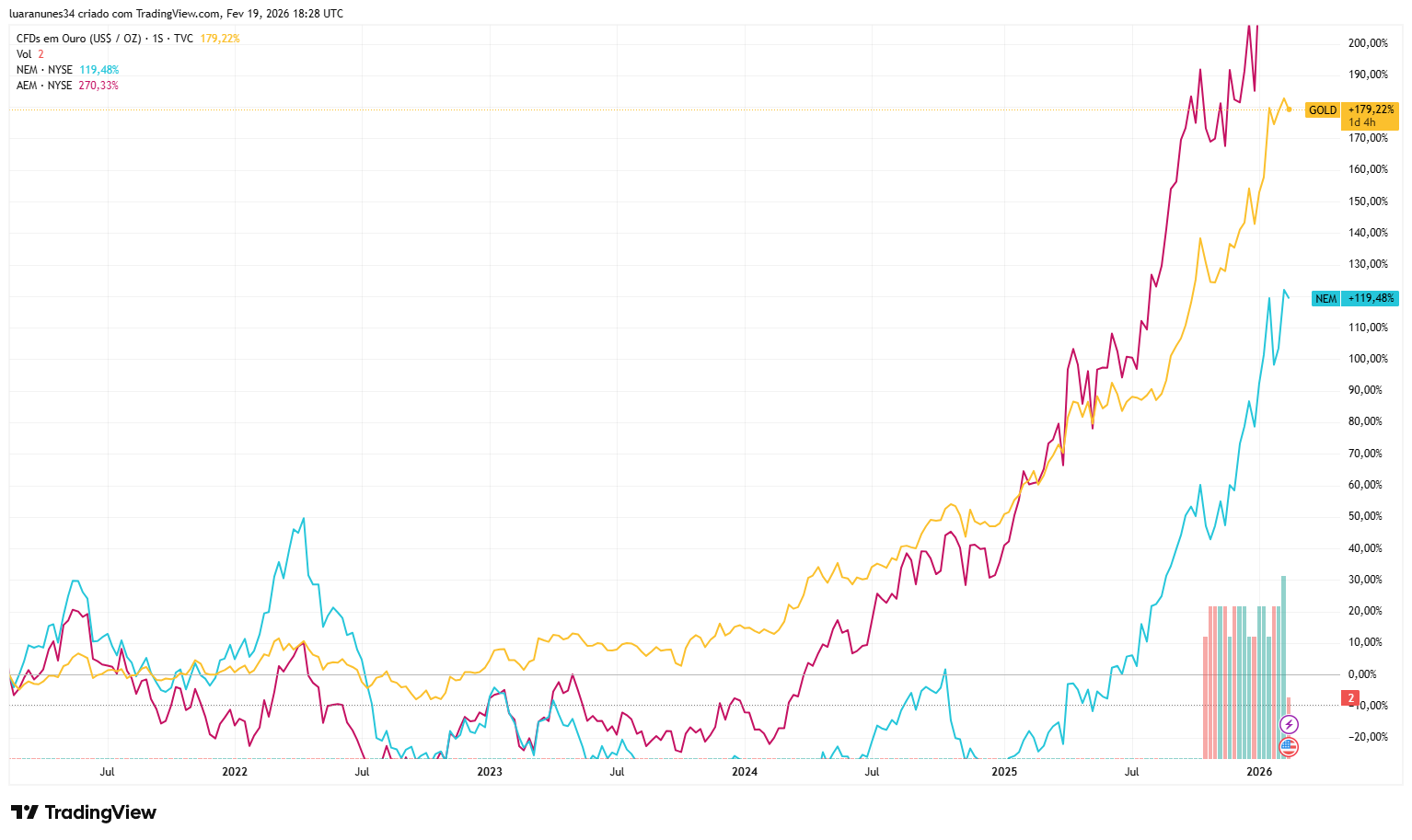

Gold mining stocks may perform strongly on charts because their prices include speculative expectations about future profits and market sentiment. While gold itself is often seen as a hedge linked to long-term stability, mining stocks tend to move more like equities, with greater volatility.
Careful comparison, clear goals, and, when appropriate, professional guidance help support more disciplined long-term decisions.
Conclusion and Next Steps
In conclusion, while investors buy shares seeking growth and yield, gold remains an attractive option for some, valued around the world as a relatively stable asset that may help protect against inflation and broader economic uncertainty.
The practical next step, before taking any action, is to compare assets in the context of human behavior and market economics, then consider how diversification may fit within yout own financial context. That can increase resilience while reducing long-term uncertainty.
Disclaimer:
We created this content for educational purposes only and should not be considered financial, investment, or tax advice. Investors should evaluate their personal financial situation and consult qualified professionals before making investment decisions.