Gold Demand, Energy Crisis & Global Reset Signals Emerge
- Gold and silver markets finished the week largely unchanged, masking underlying geopolitical volatility tied to escalating tensions around Iran and disruptions in the Strait of Hormuz.
- Spot prices held firm at historically elevated levels, with gold price near $4,673/oz and silver at $73/oz, reinforcing the broader bullish structure despite short-term stagnation.
- Energy market dislocations—particularly constrained oil flows—are increasingly viewed as a systemic threat, with some analysts warning of cascading global economic contraction if supply remains impaired.
- The macro backdrop continues to tilt toward stagflation, with rising input costs and weakening growth raising concerns not only about recession, but also food insecurity in vulnerable regions.
- China remains a dominant force in physical demand, with strong bullion accumulation and tight domestic silver inventories reinforcing structural supply deficits.
- A generational shift in investor psychology is emerging in the East, with younger buyers allocating significantly higher portions of their portfolios to physical gold and silver as protection against currency debasement and systemic risk.
- Western investor behavior contrasts sharply with Eastern demand: while ETFs and leveraged participants are exiting, physical metal continues to migrate toward Asia and the Middle East.
- Commodity bull market dynamics are reasserting themselves, as oil and precious metals trend higher together—historically a signal of late-cycle economic stress.
- Turkey’s aggressive gold mobilization and large-scale silver imports highlight growing sovereign and institutional stress in currency markets, alongside a scramble for hard assets.
- COMEX inventories continue to decline, particularly in silver, signaling ongoing physical drawdowns and a potential weakening of Western price discovery mechanisms.
Geopolitical tensions, shifting bullion flows, and rising institutional support for gold point to a major financial turning point.
The silver and gold markets where slightly on the week even with a Trump Iranian War update smash.
The spot silver price ended the week at $73.04 oz bid.
The spot gold price closed the week basically flat at $4673 oz bid.
The spot gold silver ratio laid flat to close this week again at 64.
The Strait of Hormuz continues essentially being shutdown, and thus explicit warnings of a coming collapse of the global economy are being hammered home by the likes of Luke Growmen and Richard Werner who were on the popular Patrick Bet David podcast this past week.
First quarter of 2026 is behind us, gold and even volatile silver still closed green.
My game plan has not changed, still acquiring silver bullion oz on recent price weakness.
It was about one year ago, that the TRUMP regime's tariff fiasco kicked off a -17% drop in spot silver prices and we are still twice the spot price of those days.
All the following precious commodities have been extremely historically volatile to start this year.
Perhaps none more so then crude oil itself, still a lifeblood energy source for the world economy.
While the financial markets seem to be tracking trends toward stagflation, less economic growth with higher prices for the things we need, I'm starting to worry about starvation given issues with fertilizer supply chains, especially in parts of the most underdeveloped world.
We have of course seen stagflation in many older people's lifetimes. From 1972 through 1975 a confluence of contributing events led to the starvation of an estimated 2 million people.
industry colleague Jesse Colombo points out it is common in many commodity bull markets to see oil and precious metals rise in concert.
The 2007-2008 oil spike and GFC fallouts surely attributed to global hunger and malnutrition in the developed world as well, here at home.
Eras of food scarcity is a common problem throughout history, our present day is not immune.
Precious metals industry data illustrates that momentum traders have pretty much vanished from the gold market. Collapsing COMEX NYMEX trading volumes in gold, silver, and platinum are a good sign levered short term tourists have up'd and gone elsewhere.
Weak handed Western world unsecured gold investors have been selling, cutting and running, near 100 ton ouflow of late, nearly what has been reported Turkey has been forced to sell and or swap from their Official Gold Reserves of late to raise other fiat FX to defend their local currency markets under continued pressure. 118 tons in the last two weeks.
In only the first two months of this year, Turkey has already imported over 20 million oz of silver, a substantial amount silver market deficit hawks likely didn't have on their Q1 2026 bingo cards.
For a perspective of how much that is, Metals Focus estimated the Chinese silver bullion investors bought a bit less, near 18 million oz for all of last year 2025. A local 13% VAT on silver didn't stop many from taking part in the latest silver bull moves. Generally when you think of China's silver demand it is mostly industrial manufacturing purposes using around 275 million oz of silver per year mostly into manufacturing.
They also estimated China bought over 400 tons or near 13 million oz of gold bullion, opting for investment gold bars and coins over VAT taxed high grade gold jewelry, that is the ongoing trend in China.
Staying on China and they're still ten year low levels of industrial silver inventories on the SGE SHFE.
Prices for silver, platinum, and palladium all remain highly elevated in China compared to Western price benchmarks, with just a bit more silver inventories than was bought by local investors in all of last year according to Metals Focus estimates.
The continued collapses in COMEX registered and eligible silver piles on goes US State side.
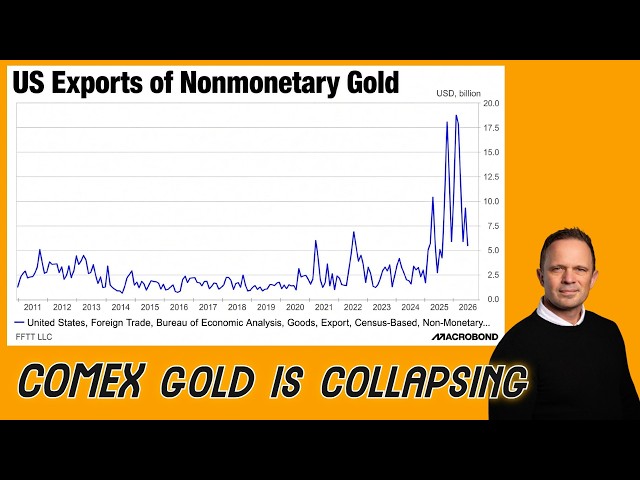
About 1/2 of the gold that came onshore from Trump tariff threats has seen it's way offshore
Almost all the excess silver that came flying in early last year has either exported or been loaded out and physically pulled from the COMEX system domestically.
Feb 2026 silver import export data says, thanks Mexico for near 300 tons, off to the City of London, the Middle East, Asia, and north to Canada for the most part last month.
Early this week CNBC International has Julius Baer Chief Investment Officer on the show.
- Accumulate Gold Now: Julius Baer’s CIO recommends buying gold at current levels, calling recent price behavior “counterintuitive” and an overlooked opportunity.
- Liquidity, Not Weakness, Drove Selling: Recent gold selling was likely driven by investors needing cash during global uncertainty—not a breakdown in gold’s fundamentals.
- Favor Physical Over Paper: He emphasizes owning physical gold as the primary strategy, while using paper gold and options tactically to capitalize on high volatility.
Staying in Asian gold silver related news this week, Singapore and Hong Kong both continue with ambitions of growing their precious metals market service options as well as looking to attract even central bank reserves in their growing market service offerings.
This final clip is more on the local retail mindset, specifically the younger investor generations in the East.
- High Conviction Allocation: Bellina allocates 25% of her portfolio to gold and silver—far above the traditional 5–10%—with a target split of roughly 15% gold and 10% silver.
- Long-Term Protection Strategy: She views precious metals not for short-term gains, but as a hedge against systemic financial risks, US dollar currency debasement, and long-term structural changes in the global economy.
- Bullish on Metals Amid Uncertainty: Despite volatility, she remains committed, citing declining confidence in fiat currencies and believing gold is in a multi-year bull trend driven by macro instability.
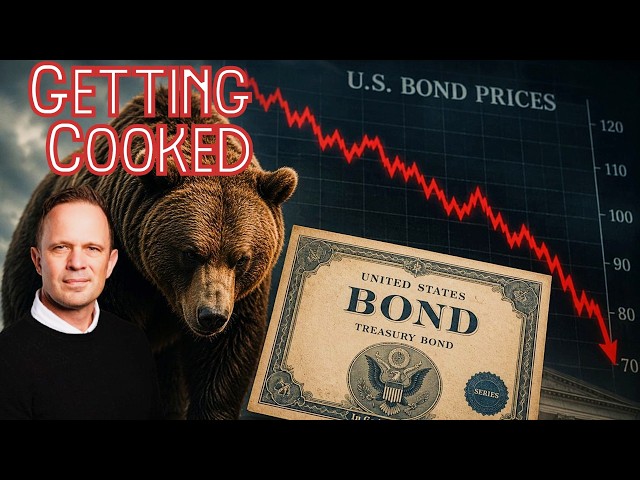
It seems some have already somehow learned that a 25% bullion position has mathematically backtested as the best risk reward allocation using data going all the way back to 1968, when the last London gold price rig system failed. The often cited far too low suggestion of 5 to 10% gold is literally some trope from the early 1980s bullion bear market. In a world of collapsing bond values and unpayable debt and promise piles galore, you're gonna want a lot more bullion owned outright.
Have a look at this condensed bullion investor profile out of Singapore.
Cited Sources:
Backtesting Bullion Allocation Percentages Study
https://sdbullion.com/backtesting-bullion-allocation-percentages-1968-2016
Accumulate more gold at current levels: Julius Baer CIO
https://youtu.be/zXYm26TQDxk?si=jnuoo--eqoo5jc-G
This Gen Z Investor Put 25% Into Gold & Silver - Is That Too Much? | Money Mind | Singapore
https://youtu.be/8suWYW2ZfNY?si=TEanOTdNwPkx4CZB