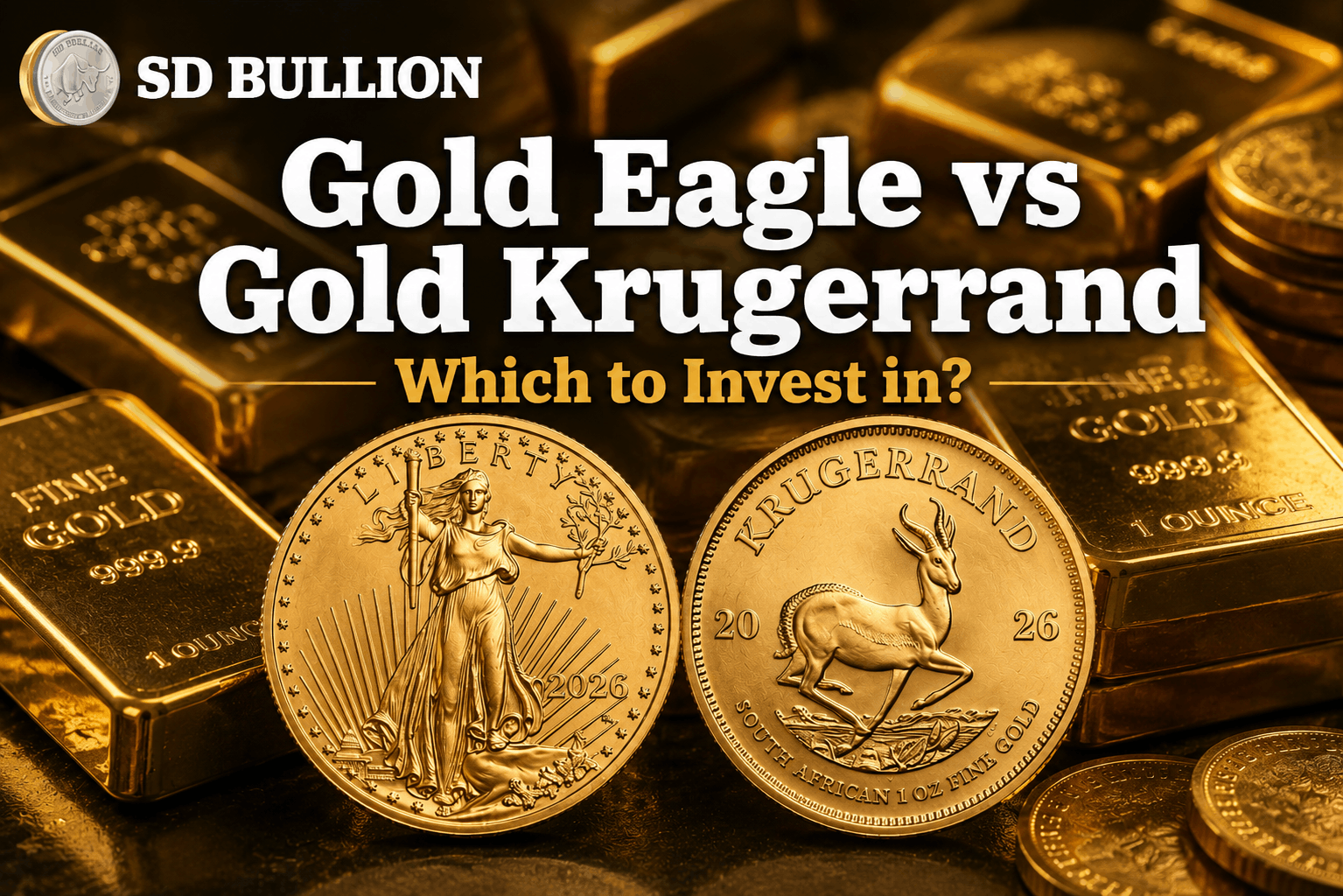
Both the American Gold Eagle and the South African Krugerrand offer similar investment return potentials. Both standard 1 oz coins contain exactly 1 troy ounce of pure gold. Their long-term returns mainly follow the global gold spot price, while differences in actual investor performance usually stem from premiums, liquidity, resale spreads, and where the coin is bought or sold.
For most investors, choosing between these two iconic bullion coins depends on total acquisition cost and how efficiently they can enter and exit the market. Investors can compare live prices for American Gold Eagles and South African Krugerrands at SD Bullion to see how real-time premiums differ against the current gold spot price.
Key Takeaways
- Identical Gold Weight: Standard versions of both the American Gold Eagle and the South African Krugerrand contain 1 troy ounce of pure gold, meaning their core value tracks the global bullion market.
- Return Drivers: Differences in actual investment returns are determined by dealer premiums, market liquidity, and buyback spreads rather than the gold content itself.
- Regional Advantages: The American Gold Eagle offers superior liquidity in the United States and is eligible for Precious Metals IRAs.
- Cost Efficiency: The South African Gold Krugerrand is highly recognized worldwide and frequently features a lower dealer premium over the spot price, making it highly attractive for buyers on a smaller budget.
- Brand Integration: SD Bullion offers live precious metals pricing, insured shipping, and a transparent buyback program for both coin series.
Jump to: Comparison Table | Resale Value | IRA Eligibility | Thecnical Specifications | Why Invest in Gold? | Investment Risks | FAQs
Gold Eagle vs. Krugerrand: Quick Comparison
When investing in gold bullion, comparing the technical specifications of sovereign coins ensures you match the asset to your financial goals. While both coins contain 1 troy ounce of gold, they differ in country of origin, minting history, alloy composition, and face value.
The following table provides a side-by-side comparison of the American Gold Eagle, the South African Krugerrand, and the Canadian Gold Maple Leaf to highlight these key differences:
|
Feature |
American Gold Eagle |
South African Krugerrand |
Canadian Gold Maple Leaf |
Why It Matters |
|
Country of Origin |
United States |
South Africa |
Canada |
Dictates regional demand and legal backing. |
|
Mint |
United States Mint |
South African Mint |
Royal Canadian Mint |
Verifies sovereign government backing. |
|
Gold Content (1 oz) |
1 troy oz of gold |
1 troy oz of gold |
1 troy oz of gold |
Long-term value mainly tracks gold spot price. |
|
Purity |
22-karat (.9167 fine) |
22-karat (.9167 fine) |
24-karat (.9999 fine) |
Both 22-karat coins use durable alloy. |
|
Alloy Content |
Gold, silver & copper |
Gold & copper |
Pure gold (no alloy) |
Affects the coin's color and wear resistance. |
|
Color Tone |
Warm gold |
Reddish gold |
Bright yellow gold |
Determined by the specific metal blend. |
|
Face Value |
$50 USD |
No printed face value |
$50 CAD |
Impacts legal-tender presentation and status. |
|
IRA Eligible (U.S.) |
Yes |
No |
Yes |
Crucial context for retirement account investors. |
|
Typical Premium |
Moderate to Higher |
Often lower |
Moderate to slightly higher |
Upfront premium costs impact total return. |
|
Global Recognition |
Very high (especially in U.S.) |
Very high (global market) |
Very high (global market) |
High recognition ensures active secondary markets. |
Which Coin Has Better Resale Value?
The American Gold Eagle typically commands a slightly higher resale value and stronger buyback rates within the United States. Because of robust domestic demand and direct backing by the U.S. government, domestic precious metals dealers generally pay a higher premium above the gold spot price when purchasing Gold Eagles from investors.
In contrast, the South African Krugerrand maintains incredible global liquidity and retains its value efficiently across international markets. However, buyback rates for Krugerrands inside the United States are typically closer to the baseline gold spot price. For investors looking to optimize liquidation efficiency, checking the "Sell to Us" buyback program at SD Bullion allows you to compare current up-to-the-minute resale values for both coin series.
Are Gold Eagles and Krugerrands IRA Eligible?
The American Gold Eagle is fully eligible for inclusion in U.S. Precious Metals IRAs, whereas the South African Krugerrand is not IRA eligible. Under Internal Revenue Code (IRC) Section 408(m), retirement accounts require specific purity thresholds for physical metals; however, the U.S. Mint's Gold Eagle is granted an explicit exemption despite its 22-karat composition.
Because the Krugerrand does not meet the standard IRS purity requirements and lacks this specific regulatory exemption, it cannot be held within a tax-advantaged retirement account. Investors aiming to build a physical gold portfolio for retirement can browse the dedicated IRA-eligible gold page at SD Bullion to ensure their purchases comply with federal regulations.
Technical Specifications and Characteristics
American Gold Eagle Overview
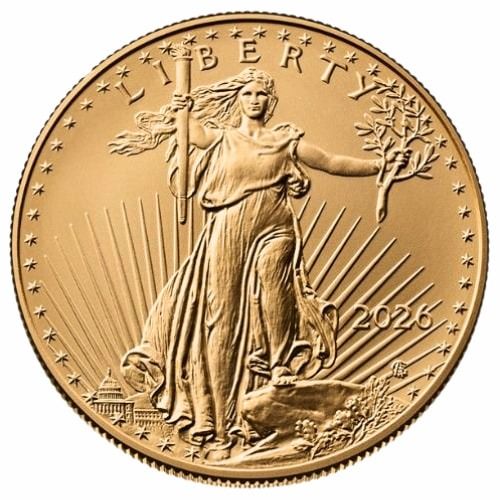
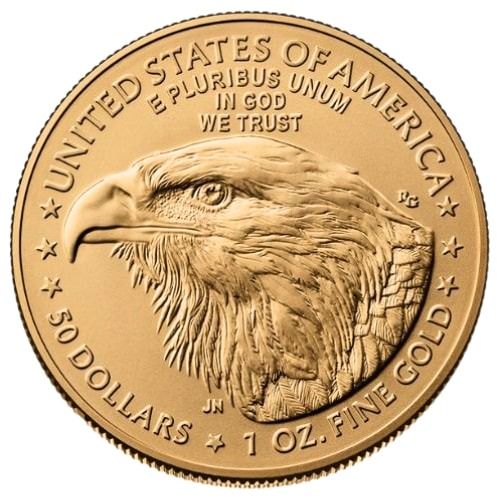
First launched by the United States Mint in 1986, the American Gold Eagle is a 22-karat gold bullion coin backed by the U.S. government for its weight, content, and purity. In its standard 1 troy ounce version, the coin contains one full troy ounce of pure gold. The total coin weight sits at 1.0909 troy ounces (33.931 grams) due to a durable alloy blend consisting of 91.67% gold, 5.33% copper, and 3.00% silver. This specific composition makes the coin scratch-resistant and highly resilient against wear.
South African Krugerrand Overview

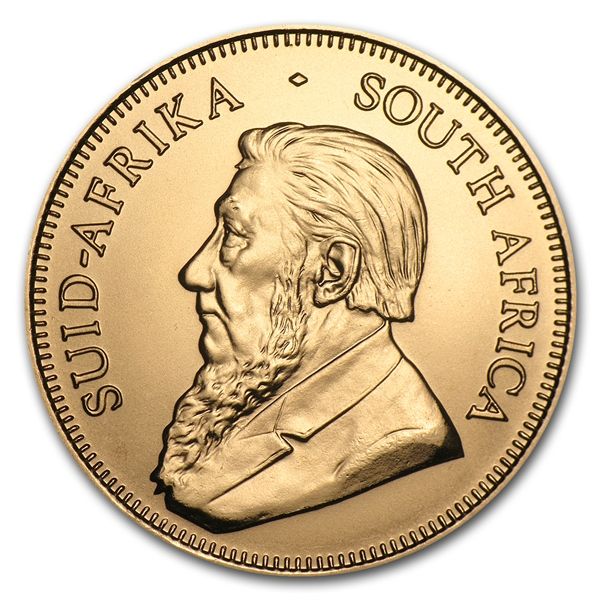
Introduced by the South African Mint and Rand Refinery in 1967, the South African Krugerrand played a pioneering role in expanding global physical gold ownership. Like the Gold Eagle, a standard Krugerrand contains exactly one troy ounce of pure gold and features a 22-karat composition (91.67% pure gold). Its alloy is composed of 91.67% gold and 8.33% copper, which provides a total weight of approximately 33.93 grams and gives the coin its distinctive, durable reddish tone.
Why Invest in Gold Bullion?


When investing in gold coins or bars, the most important factor driving value is the gold content. Weight, measured in troy ounces, and purity determine how much gold you are buying.
In standard bullion products, market prices closely follow the global gold spot price. However, premiums, minting costs, and dealer spreads influence the final price buyers pay.
Widely recognized coins such as the American Gold Eagle, the Krugerrand, and the Canadian Maple Leaf often maintain strong demand due to their established history and government backing.
Gold Coin Investment Risks
Like any investment, gold coins carry risks. Gold prices fluctuate based on economic conditions, interest rates, and global demand.
Key risks include:
-
Market volatility
-
Premium fluctuations
-
Counterfeiting risks
-
Liquidity differences
To reduce risk, investors should buy from reputable dealers, carefully compare premiums, and diversify across asset classes.
FAQ: American Gold Eagle vs. South African Krugerrand
What are the face value denominations of Gold Eagles and Krugerrands?
The 1 oz, 1/2 oz, 1/4 oz, and 1/10 oz American Gold Eagles carry official face values of $50, $25, $10, and $5 USD, respectively. South African Krugerrands have no printed face value; instead, their official legal tender status is tied directly to the live spot price of gold.
How do taxes and capital gains apply to these gold coins?
The IRS treats both the Gold Eagle and the Krugerrand as "collectibles," meaning long-term capital gains are capped at a maximum tax rate of 28%. However, American Gold Eagles offer a reporting benefit: their sale is completely exempt from automated dealer IRS Form 1099-B reporting, whereas large volume sales of Krugerrands trigger mandatory dealer reporting.
How can you verify authenticity and spot counterfeit coins?
Authenticity can be verified by checking the exact physical specifications using a digital scale (looking for a total weight of 33.93 grams), a caliper tool for diameter and thickness, and an acoustic resonance "Ping test". Modern Krugerrands also integrate laser-etched micro-text lettering within the design as an added security layer.
Maximizing Your Gold Investment Returns
In the debate between the South African Krugerrand and the American Gold Eagle, neither coin holds a structural advantage regarding raw gold performance.
Ultimately, your choice should match your individual strategy: the American Gold Eagle is optimized for investors prioritizing U.S. liquidity, explicit legal tender status, and IRA eligibility, while the Krugerrand is ideal for buyers looking to maximize physical gold exposure per dollar by capturing lower upfront dealer premiums.
Compare today's live pricing for the 1 oz American Gold Eagle and the 1 oz South African Krugerrand at SD Bullion to choose the gold coin that best fits your budget, liquidity needs, and long-term asset allocation.
Disclaimer:
This content is for informational purposes only and should not be considered financial or investment advice. Conduct thorough research or consult a financial advisor to ensure your gold investment fits your overall strategy.