Jump to: Types of Gold Bars | Minted Gold Bars | Cast Gold Bars | Gold Bar Investment | Side-By-Side Comparison | Cast Gold Options | Minted Bars Collectibility | Gold Bullion Market | Goals and Strategies | Storage and Security
When I began researching gold bars for this guide, I noticed how often they appear in discussions about physical precious metals. Gold has been used as a store of value for centuries, and today it remains a central part of the modern bullion market. Among the different formats available, gold bars are one of the most widely recognized, appearing in various sizes and designs produced by mints and refiners around the world.
As I looked deeper into how these products are made, I found that most gold bars fall into two primary categories: minted bars and cast bars. Both contain the same underlying metal, but they differ in their production methods, appearance, and overall presentation. In this guide, I’ll walk through the basic differences between minted and cast gold bars and explain how each type fits within the broader gold bullion landscape.
Key Takeaways
-
Gold bars are a popular way to invest in gold, offering a tangible store of wealth and long-term portfolio diversification.
-
Cast and minted gold bars are the two main types, each produced using different methods that affect appearance, pricing, and premiums.
-
Minted gold bars feature intricate designs, polished finishes, and added security measures, which typically result in higher premiums.
-
Cast gold bars have a more traditional appeal and usually carry lower premiums, making them a cost-effective option.
-
The best choice depends on investment goals.
Types of Gold Bars
Gold bars are made using two primary production methods, which determine their appearance, finish, and overall characteristics. Each method produces either minted or cast gold bars.
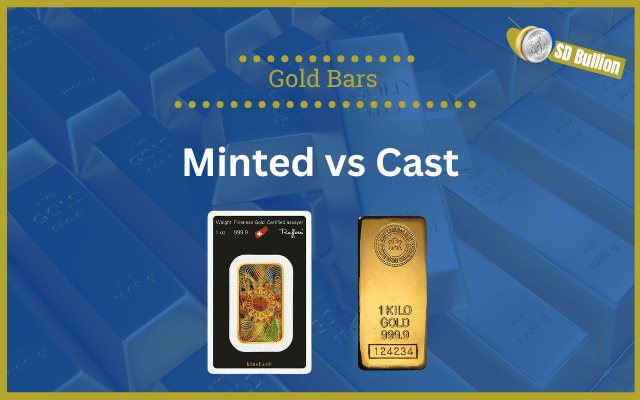
Minted gold bars are manufactured through a refined minting process. Gold is first melted and formed into long, flat strips using a continuous casting machine. These strips are then cut into precise sizes and stamped with a hydraulic press. This process results in bars with clean edges, smooth surfaces, and a uniform, polished look.
Cast gold bars, by contrast, have a simpler casting process. They are made by pouring molten gold directly into molds. Once the gold cools and solidifies, the bar is removed and finished with basic markings stamped directly on its surface. Because of this method, cast bars often feature a rougher texture, slight imperfections, and a more traditional appearance.
While both minted and cast gold bars contain the same underlying metal content, each type offers distinct advantages and drawbacks. Understanding how they are made helps to choose the option that best fits their strategy, budget, and personal preference.
Characteristics of Minted Gold Bars
Minted gold bars are widely recognized for their clean, polished surfaces and precise shape. They typically deliver smooth surfaces, sharp corners, and a uniform finish, giving them a refined and modern look.
These bars often feature detailed designs and official mint markings, including recognizable logos and clear inscriptions of weight and purity. Many are also sold with tamper-proof seals, may feature unique serial numbers, and include other advanced security features.
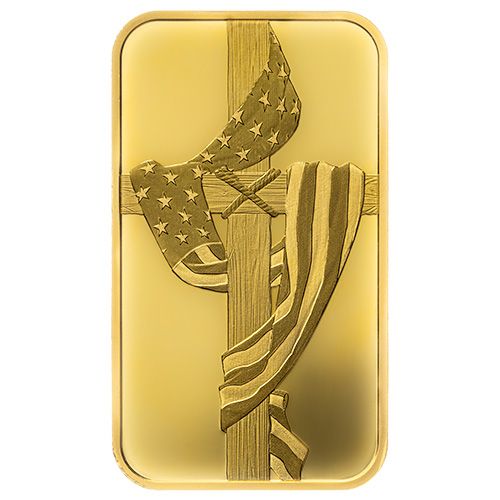
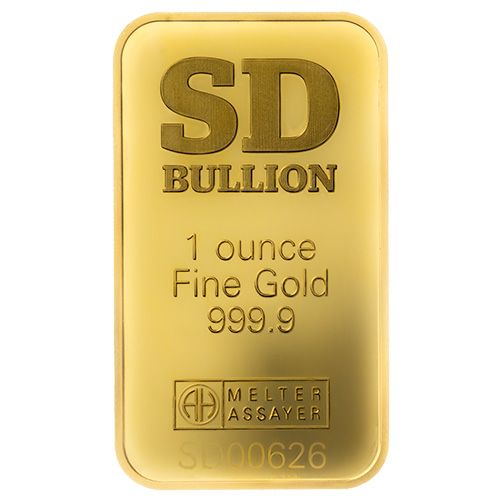
1 oz SD Bullion Cross and Flag Gold Bar
Minted bars undergo extensive engraving and packaging procedures after being shaped. Because of the additional processing, design work, and packaging required, minted gold bars usually carry a higher premium than cast bars. Those who value presentation, consistency, and added security measures often prefer minted bars, especially when purchasing smaller sizes or gifting gold pieces.
Characteristics of Cast Gold Bars
Cast bars are characterized by unique surface cooling patterns due to the pouring process. They offer a more traditional and rugged appearance, reflecting the simplicity of their manufacturing process. Made by pouring molten gold directly into molds, they often have a rougher surface texture and rounded edges. They may display natural variations such as slight air bubbles or uneven finishes.
One of the main advantages of cast gold bars is their lower cost. Their premiums are usually lower over the gold spot price, making them an effective choice for those who want to maximize the amount of gold they receive for their money.
Larger samples are popular cast gold bars among those focused on long-term capital preservation and value-driven investing. While they may lack the polished look of minted bars, cast gold bars still offer high-quality products, high fineness, global recognition, and a trusted way to back wealth with gold.
Gold Bar Investment
Gold remains a popular choice for individuals looking to diversify their portfolios and support long-term financial stability. Guides to the best gold bars to buy often highlight how different bar types, brands, and sizes can suit a range of investment objectives, risk tolerances, and budgets. Its historical role as a store of value makes it especially appealing during periods of economic uncertainty or market volatility.
Investing in gold bars, regardless of the type, provides direct ownership of tangible gold. Unlike paper assets, gold bars can be held, stored, and passed on—an important factor for those focused on maintaining financial value.
It is possible to choose from a wide range of sizes and styles, including both popular minted bars with refined finishes and cast bars known for their cost efficiency. This variety allows buyers to select samples that align with their budget and preferences.
Many gold dealers recommend bars as a reliable way to hedge against inflation, currency fluctuations, and broader market movements. With high metal fineness and global recognition, gold bars continue to be a cornerstone of precious metals investing.
Minted and Cast Gold Bars: Side-by-Side Comparison
|
Category |
Minted Gold Bars |
Cast Gold Bars |
|---|---|---|
|
Production Method |
Created from refined gold long strips and stamped using a minting press |
Formed by pouring molten gold directly into molds |
|
Overall Appearance |
Smooth, polished surfaces with sharp edges and uniform shape |
Rougher texture with a more traditional, uneven look |
|
Design & Markings |
Often feature intricate designs, logos, and precise inscriptions |
Typically offered with markings stamped into the bar |
|
Security Features |
May include serial numbers and tamper-evident packaging |
Usually limited to basic stamped information |
|
Premium Over Spot |
Generally higher due to added processing and design details |
Typically lower, offering better value per ounce |
|
Cost Consideration |
Higher upfront cost per ounce |
More affordable, especially in larger sizes |
|
Investor Preference |
Favored by collectors and those who value appearance and added security |
Preferred by value-focused investors and long-term holders |
|
Investment Role |
Combines gold ownership with refined presentation |
Maximizes gold content with minimal added cost |
Cast Gold Options
Cast bars are widely available from well-established and trusted refiners, including respected names such as The Perth Mint. These mints are known for producing high-purity gold bars that meet global bullion standards, making them a reliable choice.
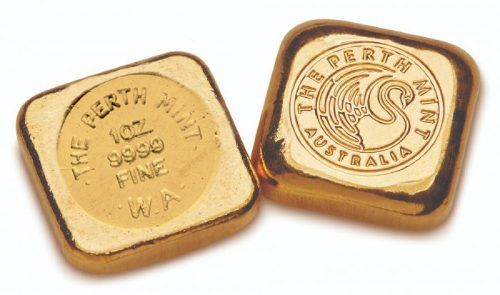
One of the main advantages of cast bars is their availability in larger sizes, such as 10 oz, 1 kilo, and even larger formats. For many investors, starting with widely traded 1 oz gold bars and then scaling into larger cast bars is an effective way to accumulate gold efficiently while keeping premiums as low as possible.
There is a variety of cast gold bar options, each offering its own balance of size, weight, and production style. Smaller choices like 1 gram gold bars provide an affordable entry point, while cast bars tend to have a more rugged, traditional appearance and derive their value from the metal content itself rather than aesthetics.
Because their premiums are generally lower over the spot price, cast gold bars are considered a cost-effective way to diversify assets. For those prioritizing long-term wealth preservation and maximum gold exposure, cast bars remain a popular and practical option.
Minted Bar Collectibility
Minted gold bars are often especially appealing to collectors due to their refined finishes, intricate designs, and carefully controlled production processes. Unlike cast bars, minted bars are frequently produced with a strong visual identity, making them stand out beyond their gold content alone.
Bars from well-known refineries, such as The Perth Mint, are popular, featuring iconic imagery, detailed logos, and consistent branding that enhance their recognition in the global bullion market. In some cases, limited mintages or special design elements can contribute to long-term collector interest.
Investors who enjoy combining precious metals investing with collectibility often gravitate toward minted gold bars. Their uniform appearance, unique character, presentation packaging, and perceived exclusivity can support potential resale value on the secondary market, particularly when demand for tangible gold rises.
While all bars derive their core value from gold itself, minted bars can add an extra dimension to an investment portfolio. For those who value aesthetics, brand recognition, and potential appreciation beyond gold price movement, minted gold bars can be a meaningful and versatile addition.
Gold Bullion Market
The gold bullion market offers a wide range of options for owning physical precious metals. These options include gold bars, gold coins, and other bullion products, and even parallel opportunities in investment-grade silver bars, each provided with different benefits depending on budget and strategy.
Within the gold bar category, cast and minted gold bars offer high purity and direct exposure to gold prices. Investors can also consider complementary bullion options such as gold coins and other gold bullion products when tailoring purchases based on factors such as cost efficiency, appearance, storage preferences, and long-term objectives.
Because gold prices can fluctuate in response to economic conditions, inflation expectations, and global events, staying informed is essential. Using real-time gold and silver price charts, gold dealers and investors alike monitor market trends, spot prices, and premiums to make well-timed and well-informed decisions.
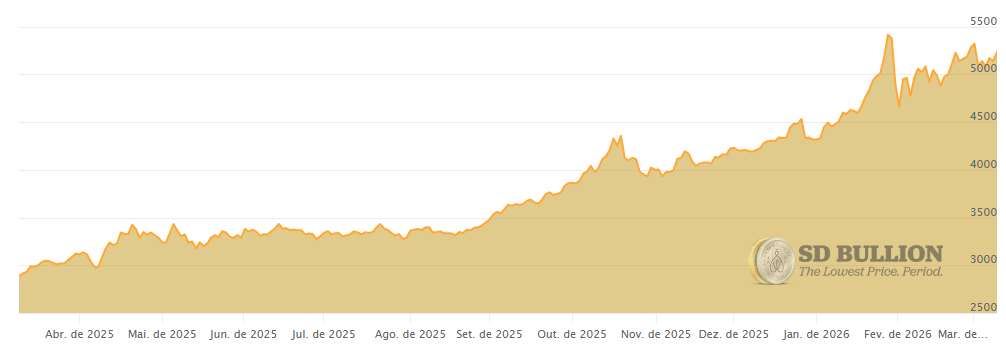

By understanding how the gold bullion market works and how different products fit within it, it is possible to approach gold ownership with greater confidence and clarity, whether they are new to precious metals or expanding an existing portfolio.
Gold Investment Goals and Strategy
When deciding the best type of gold bars, it is important to align the choice with personal goals and overall investment strategy:
-
Accumulating physical gold efficiently - If the objective is to build gold holdings at the lowest possible cost, one often prefers cast gold bars due to their lower cost and strong value per ounce.
-
Emphasizing presentation and design - Those who value a refined appearance, consistent finishes, and recognizable mint branding may gravitate toward minted gold bars.
-
Balancing cost and collectibility - Minted bars can appeal to those who want both physical gold exposure and added visual or collector appeal.
-
Long-term wealth preservation - Cast bars are commonly chosen for long-term holding strategies where gold content matters more than aesthetics.
-
Portfolio diversification - A well-rounded precious metals portfolio may include a mix of both cast and minted bars, balancing value, appearance, and flexibility.
Storage and Security Considerations
When purchasing gold bars, investors should carefully consider how and where their physical gold will be stored.
-
Bar size affects storage choices - Larger bars, such as kilo or larger cast bars, may be better suited for professional vault storage due to their higher value and weight.
-
Home storage for smaller bars - Smaller gold bars can often be stored in a high-quality, fire-resistant home safe.
-
Insurance protection - Insuring gold bars helps protect against theft, loss, or damage, regardless of storage location.
-
Condition and packaging - Proper handling helps preserve the condition of gold bars, especially minted bars with tamper-proof seals or assay certificates.
Conclusion and Final Thoughts
Both minted gold bars and cast gold bars offer unique advantages, making each suitable for different types of investors. Minted bars stand out for their refined appearance, detailed designs, and enhanced security features, while cast bars are valued for their simplicity, lower premiums, and cost-efficient gold exposure.
Choosing between them ultimately depends on individual investment goals, strategy, and personal preferences. Investors focused on maximizing gold content and long-term value protection may lean toward cast bars, while those who appreciate presentation and potential collectibility may prefer minted options.
Regardless of the form, gold bars remain a dependable way to own physical gold, especially during uncertain times. As part of the broader gold bullion market, both minted and cast bars provide a reliable store of wealth and a hedge against market uncertainty.
By understanding the key differences between minted and cast gold bars, investors can make informed decisions that align with their financial objectives and build greater confidence in their precious metals investment strategy.
Disclaimer:
We created this content for educational purposes only and should not be considered financial, investment, or tax advice. Investors should evaluate their personal financial situation and consult qualified professionals before making investment decisions.