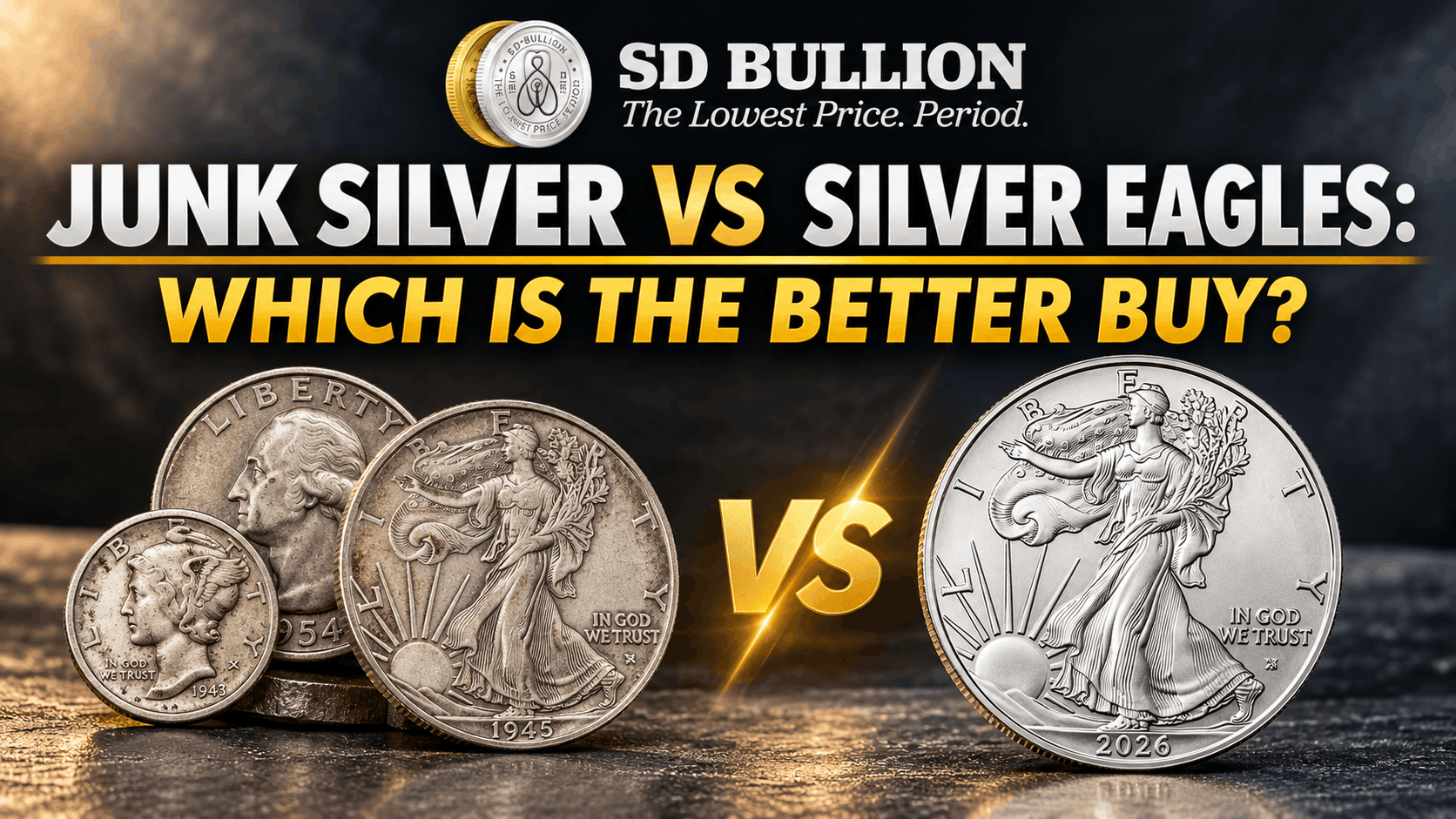
Junk silver is generally the better buy for lower premiums and smaller denominations, while American Silver Eagles offer greater recognition and government-backed authenticity.
Whether you're a beginner or an experienced stacker, this guide compares their silver content, premiums, liquidity, resale value, and numismatic appeal to help you choose the right option for your investment goals.
Key takeaways:
-
American Silver Eagles are the better all-around choice for most investors because of their liquidity, standardized silver content, and potential numismatic appeal.
-
Junk silver typically has lower premiums over spot price, making it a cost-effective option for investors seeking more silver for their budget.
-
Junk silver offers greater divisibility. Pre-1965 dimes, quarters, and half dollars allow smaller transactions and may be useful for barter during economic uncertainty or currency devaluation.
-
American Silver Eagles contain one troy ounce of .999 fine silver, while $1 face value of circulated 90% junk silver contains approximately 0.715 troy ounces of pure silver. Standard junk silver does not meet the fineness requirements for precious metals IRAs.
-
Numismatic value depends on rarity, condition, and collector demand. Certain historical junk silver coins and collectible Silver Eagles may command premiums beyond their metal content.
Junk Silver vs. American Silver Eagles: Investment and Numismatic Comparison
|
Feature |
Junk Silver (90% U.S. Coins) |
American Silver Eagles |
|---|---|---|
|
Purity |
90% silver, 10% copper |
99.9% fine silver |
|
Silver content |
Varies by denomination; $1 face value contains about 0.715 troy oz of silver |
Exact 1 troy ounce of pure silver per coin |
|
Weight/size |
Dimes, quarters, and half dollars; face value does not equal silver weight |
Standardized 1 oz bullion coin |
|
Premiums |
✅Lower over spot price |
⚠️ Higher sovereign mint premiums |
|
Cost efficiency |
✅ Often allows buyers to get more silver for the same budget |
⚠️ Higher premiums can reduce ounces acquired |
|
Divisibility |
✅ Excellent for small trades and barter |
⚠️ Fixed 1-ounce increments |
|
Purity advantage |
Lower purity than modern bullion |
✅ More pure silver per coin |
|
IRA eligibility |
❌ Standard junk silver is not IRA eligible due to low purity |
✅ Eligible for precious metals IRAs when held properly |
|
Collector appeal |
Historical U.S. coins; some dates have numismatic value |
✅ Proof, burnished, and certified issues may carry collector premiums |
|
Storage |
⚠️ Bulkier to store in large amounts |
✅ Easier to organize in tubes and boxes |
|
Tax/reporting |
May have different reporting triggers depending on quantity and product type |
Often simpler for standard bullion resale, depending on dealer and transaction size |
|
Best use case |
✅ Low-cost stacking, barter, smaller transactions |
✅ Liquidity, resale, and modern bullion collecting |
Table takeaway: Junk silver is usually better for lower entry cost and divisibility, while American Silver Eagles are better for liquidity, standardized purity, and resale appeal.
Quick Recommendation
American Silver Eagles are the better buy for most investors because their standardized silver content, high liquidity, and potential numismatic appeal make them a versatile choice. Junk silver better suits budget-conscious stackers seeking lower premiums and smaller denominations.
What Is Junk Silver (90% Silver Coins)
Junk silver refers to circulated U.S. coins minted before 1965 that contain 90% silver and 10% copper. Also known as constitutional silver, these coins retain their legal-tender face value but are primarily traded for their precious-metal content rather than their numismatic value.
Common examples include Roosevelt and Mercury dimes, Washington quarters, and Franklin and Kennedy half dollars. Despite the name, junk silver contains real silver and can offer a cost-effective way to accumulate physical silver.

The Coinage Act of 1965 ended the production of 90% silver circulating dimes, quarters, and half dollars. However, the broader junk silver category also includes 40% silver Kennedy half dollars minted from 1965 through 1970.
In the late 1970s, investors bought rolled coins for their junk silver content as interest in precious metals increased. Today, many buyers compare different forms of silver bullion including coins, bars, rounds, and junk silver to find the best fit for their stacking goals. Investors can explore these denominations through SD Bullion's Junk Silver collection.
What Is The American Silver Eagle
The 2026 1oz American Silver Eagle is a U.S. Mint bullion coin containing one troy ounce of .999 fine silver (99.9% purity). Introduced in 1986, it has a legal tender face value of $1, although its market value is primarily determined by its silver content and collector demand.
Each 2026 1oz American Silver Eagle contains 31.103 grams of pure silver. Unlike junk silver, Silver Eagles have a standardized one-ounce silver weight, making them easy to trade but less divisible than smaller silver denominations.
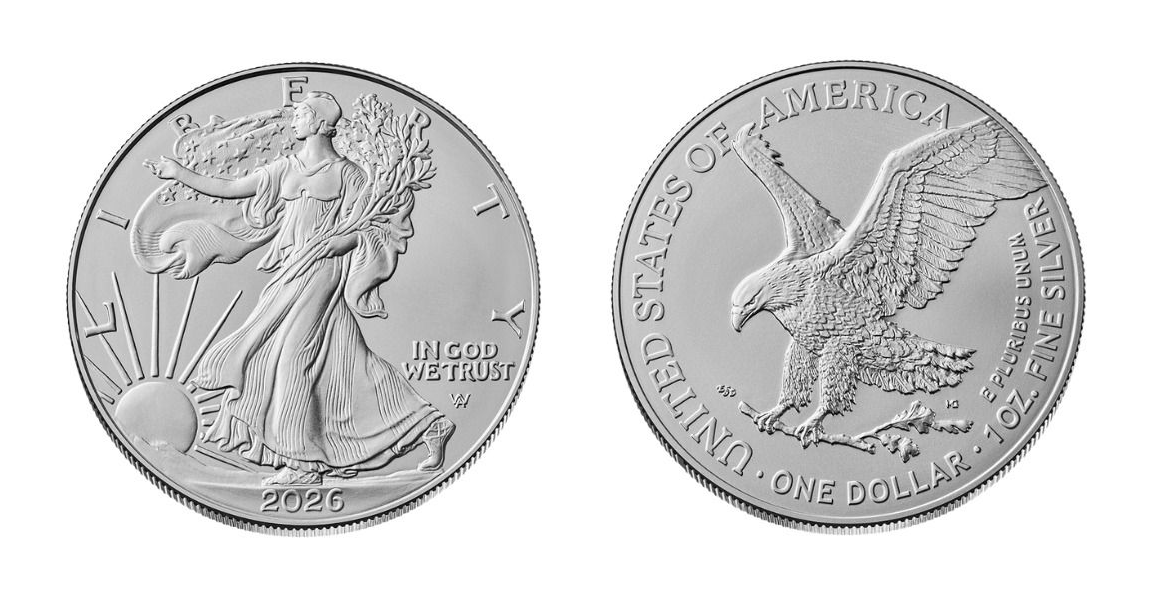
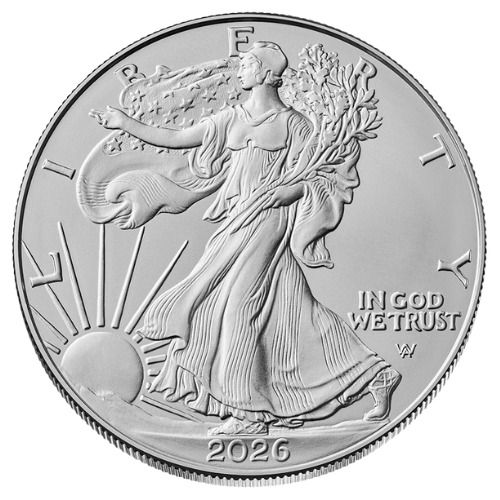
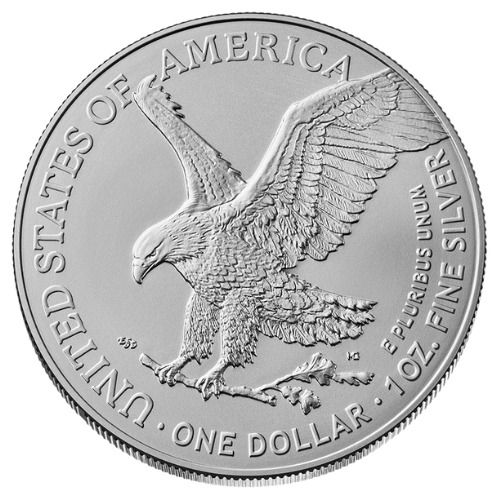
Silver Eagles typically carry higher premiums over the silver spot price than generic silver rounds produced by private mints and silver bars. Their recognition makes them highly liquid in the secondary market, while proof, burnished, and high-grade certified editions may offer additional numismatic value for collectors.
American Silver Eagles are also eligible for precious metals IRAs when held through an approved custodian and meeting applicable account requirements.
Side-By-Side Snapshot: Junk Silver Coins vs Silver Eagles
|
Feature |
Junk Silver (90% U.S. Coins) |
American Silver Eagles |
|---|---|---|
|
Price and premiums |
Often lower premiums over spot price |
Typically higher premiums over spot price |
|
Silver purity |
90% silver, 10% copper |
99.9% pure silver |
|
Silver content |
Varies by denomination and wear |
Exactly 1 troy oz of pure silver |
|
Liquidity |
Widely traded, especially through coin dealers |
Highly liquid and widely recognized |
|
Numismatic value |
Historical value; rare dates and mint marks may add premiums |
Proofs, burnished coins, and scarce issues may carry collector premiums |
|
Legal tender status |
Original U.S. face value |
$1 face value |
|
Best for |
Budget-conscious stackers seeking smaller denominations and potentially lower premiums |
Investors prioritizing liquidity, standardized purity, and modern numismatic coins |
Table Takeaway: American Silver Eagles are generally the stronger choice for investors prioritizing liquidity and collector appeal, while junk silver is often more cost-effective for accumulating silver in smaller denominations.
Premiums and Cost Efficiency (low premiums)
Junk silver generally has lower premiums than American Silver Eagles. In mid-November, SD Bullion listed junk silver at approximately $50 per ounce and Silver Eagles at $57 per ounce. With silver trading near $48 per ounce, premiums were roughly $2 and $9, respectively.
With a $1,000 budget, investors could theoretically acquire about 20 ounces of junk silver versus 17 one-ounce Silver Eagles, allowing them to accumulate more silver for the same investment.
Junk silver wins on cost efficiency, allowing investors to buy more silver for less. However, higher Silver Eagle premiums may be justified by their recognition, liquidity, and collector appeal.
Silver Content and Melt Value (90 silver vs .999)
American Silver Eagles contain one troy ounce of .999 fine silver, while $1 face value of circulated 90% junk silver contains approximately 0.715 troy ounces. A $10 face-value roll contains about 7.15 ounces.
By comparison, silver bullion bars typically contain .999 fine silver and come in several weights. The 10 oz silver bar is one of the most popular sizes, offering a balance of lower premiums, storage efficiency, and resale flexibility, while many investors also favor 1 oz silver bars for low premiums and easy storage. Popular examples include the Sunshine Mint 10 oz Silver Bar and the 10 oz Royal Canadian Mint Silver Bar.
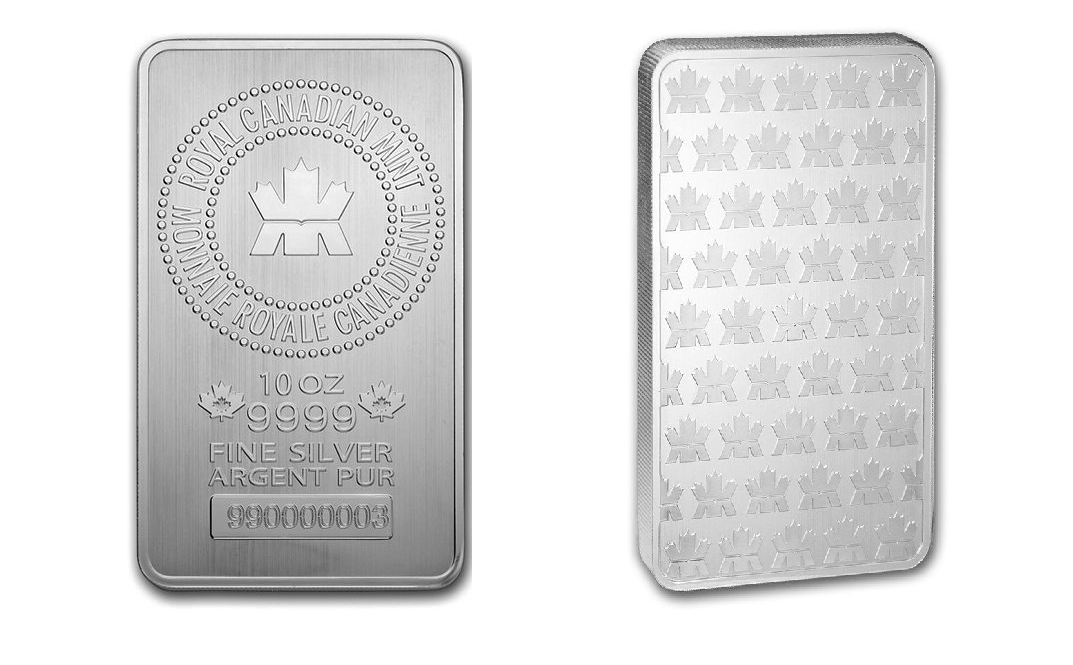


Melt value depends on silver content and the silver spot price. At $50 per ounce, $1 face value of junk silver has a melt value of approximately $35.75, while a one-ounce Silver Eagle or silver bar contains $50 worth of silver.
The silver content makes melt value dependent on the amount of pure metal, not the coin's face value. Junk silver can offer more silver per dollar invested when its premiums are lower, although most silver bars, particularly larger sizes, may provide even better value.
During periods of high demand and limited supply, 90% junk silver coins may command higher premiums than generic silver bars. This can increase their resale value above melt value, but the advantage depends on silver market conditions.
Liquidity, Resale, And Collectible Value
American Silver Eagles are generally easier to resell than junk silver because they are widely recognized by dealers and investors. Their standardized silver content supports consistent demand from bullion dealers and local coin shops. Junk silver is also widely traded, but buyback offers may be lower relative to spot price.
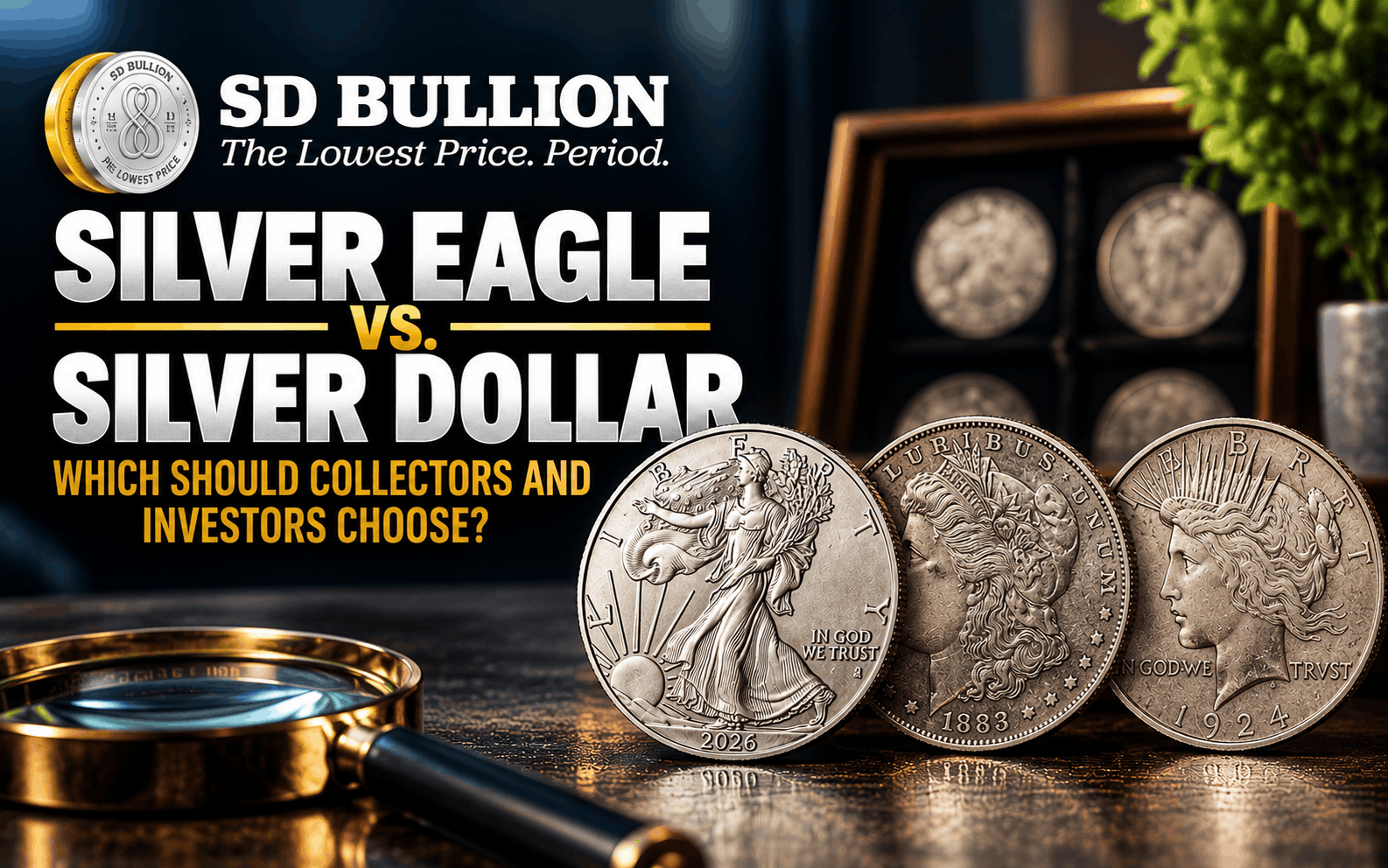
Junk silver can carry additional numismatic value when coins have rare dates, mint marks, or exceptional grades. Examples include the 1916-S, 1921-D, and 1938-D Walking Liberty half dollars. The 1964 Kennedy Accented Hair Proof is another collectible variety. These coins may sell above their silver melt value.
American Silver Eagles win for everyday liquidity, especially for investors seeking straightforward resale. However, rare junk silver coins can outperform common bullion coins in collector markets, while proof and certified Silver Eagles may also command higher premiums.
Taxes And Long-Term Returns (capital gains)
Neither junk silver nor American Silver Eagles has a clear federal tax advantage. According to the IRS Schedule D instructions, both generally receive collectibles tax implications. Long-term gains on silver held for more than one year may face a maximum federal capital gains tax rate of 28%, while short-term gains are generally taxed at ordinary income rates.
Selling silver bullion coins and junk silver generally results in the same federal capital gains tax treatment. American Silver Eagle sales generally do not trigger dealer Form 1099-B reporting. Under the IRS precious metals reporting rules, dealer reporting depends on the product and quantity sold. Investors must report taxable gains even without Form 1099-B.
Junk silver is the conditional winner for potential after-tax returns when its lower purchase premiums produce a higher net profit. However, neither product receives preferential tax treatment. As explained in IRS Publication 550, taxable gains depend on factors including cost basis and sale proceeds. Investors should compare purchase costs, resale values, holding periods, and applicable taxes.
Portability, Divisibility, and Stacking Versus Bars (bullion bars)
Junk silver is the better choice for divisibility and small-scale barter, while silver bullion bars are more practical for storing larger amounts of silver. Pre-1965 silver dimes, quarters, and half dollars allow smaller transactions than one-ounce American Silver Eagles or larger bars.
Circulated junk silver can be bulkier to store than standardized bullion. SD Bullion offers $10 face-value rolls of 90% silver coins, containing approximately 7.15 troy ounces of silver. By comparison, American Silver Eagles can be stored in tubes holding 20 one-ounce coins.
For larger investments, SD Bullion's silver bars include 1 oz, 10 oz, and 100 oz options. Some of its featured top sellers include the 1 oz SD Bullion Proclaim Liberty Silver Bar, 10 oz Wall Street Mint Scottsdale Silver Bar, and 100 oz Extruded Johnson Matthey Silver Bar.
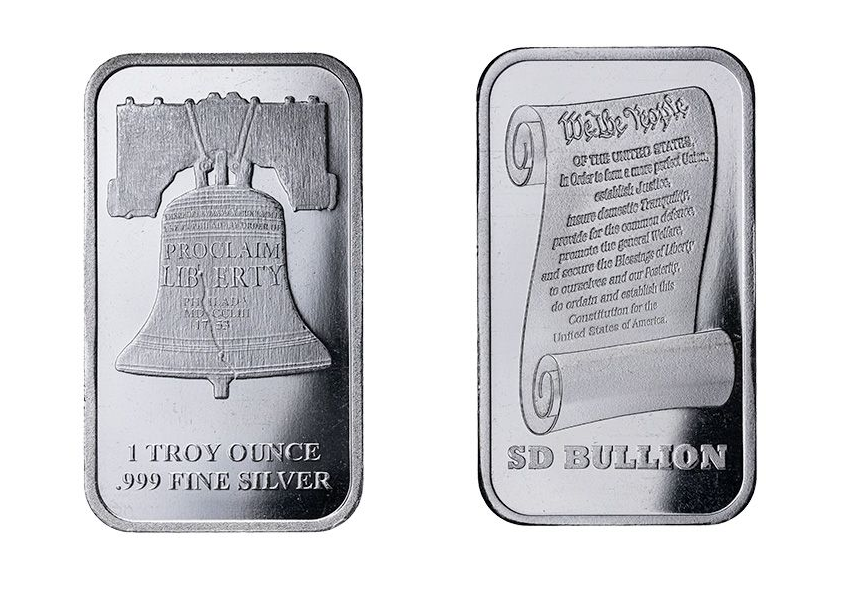


Larger bars often have lower premiums per ounce and offer more efficient storage than circulated coins. Junk silver wins for small-scale transactions, while bars are more practical for bulk stacking.
How Investors Choose: Risk, Goals, And Time Horizon
Whether junk silver or American Silver Eagles are a better investment depends on the investor's goals, risk tolerance, and time horizon. Short-term investors may prioritize liquidity and resale value, while long-term investors may focus on lower premiums and silver accumulation.
Before buying, consider silver price volatility, potential liquidity needs, and how physical silver fits into your investment portfolio alongside gold and other precious metals. Both products carry market risks, but their premiums and resale values can differ.
A combination of junk silver and American Silver Eagles can balance cost efficiency and liquidity. Investors seeking more silver for their budget may favor junk silver, while those prioritizing recognition and straightforward resale may prefer Silver Eagles.
How To Buy: Buy Junk Silver vs Buy Silver Eagles
Buy junk silver from reputable dealers that prioritize lower premiums, or choose American Silver Eagles if you value standardized bullion and collector appeal. Before purchasing either product, compare prices, verify authenticity, and review the dealer's return and buyback policies.
Where to Buy Junk Silver
Junk silver, also called pre-1965 silver coins, is available through online bullion dealers such as SD Bullion and local coin shops.
-
Check the silver content: Confirm whether the coins contain 90% or 40% silver.
-
Verify the lot: Review face value, coin counts, dates, and condition samples.
-
Compare prices: Check premiums and total costs across multiple dealers.
-
Avoid red flags: Watch for excessive wear, unclear listings, and prices that seem unusually low.
Where to Buy Silver Eagles
American Silver Eagles are available through reputable online bullion dealers, coin shops, and distributors in the U.S. Mint's authorized purchaser network. Investors comparing different government‑issued silver coins for liquidity and collector appeal may also look at series like the Canadian Silver Maple Leaf alongside American Silver Eagles.
-
Compare prices: Check current SD Bullion Silver Eagle listings against the silver spot price and recent comparable sales.
-
Verify authenticity: Compare weight, diameter, and design with official U.S. Mint specifications.
-
Check certification: For graded coins, verify the certification number through PCGS or NGC.
-
Choose the right condition: Consider certified singles for collectible grades and standard bullion coins for silver accumulation.
-
Avoiding "red flags": Be cautious of counterfeit holders, unrealistic discounts, and sellers without clear return policies.
Since 2012, SD Bullion has served over 600,000 customers, fulfilled more than 2 million orders, and facilitated over $6 billion in precious metals transactions. The company also holds an A+ rating from the Better Business Bureau.
Security And Counterfeit Risk
American Silver Eagles, Canadian Silver Maple Leafs, and rare numismatic coins such as the Morgan Silver Dollar can attract counterfeiters because of their recognition and resale value. Junk silver and silver bars can also be counterfeited, so buyers should verify authenticity regardless of product type.
Check weight, dimensions, and design details before purchasing. Silver Eagles weigh 31.103 grams and measure 40.6 mm in diameter. Weight alone cannot confirm authenticity, so suspicious coins should undergo professional testing.
The safest buying approach is to purchase from established bullion dealers such as SD Bullion, review return policies, and avoid unusually low prices. For collectible coins, consider PCGS- or NGC-certified examples and verify their certification numbers before purchasing.
Practical Buying Tips: Buy Junk, Buy Junk Silver, Or Buy Eagles
Junk silver provides a low-cost option for accumulating silver. SD Bullion offers 90% junk silver in $10 face-value rolls and larger bags. Compare premiums and silver content before purchasing, since bulk orders do not always guarantee lower prices.
Buy American Silver Eagles individually or in tubes of 20 coins for easier resale. Smaller quantities allow investors to sell part of their holdings without liquidating an entire collection. Compare SD Bullion's Silver Eagle products and consider certified coins when numismatic value matters.
Keep purchase receipts, invoices, and certification numbers for high-value silver products. These records help establish purchase costs, verify collectible coins, and calculate potential capital gains tax when selling. Standard bullion coins do not have individual serial numbers, but certified coins have verification numbers.
Which Should You Choose? Who Wins Overall
American Silver Eagles are the better all-around choice for most investors because of their high liquidity, standardized silver content, and potential collector appeal.
-
Choose junk silver if you want lower premiums, smaller denominations for potential barter, or historical U.S. coins. It can be a cost-effective option for investors prioritizing silver accumulation.
-
Choose American Silver Eagles if you prioritize easy resale, government-backed purity, or collectible varieties. Proof, burnished, and certified editions may carry additional numismatic value.
Silver Eagles win overall for versatility, while junk silver remains a practical alternative for budget-conscious stackers. For many investors, both products can complement other forms of precious metals holdings and support portfolio diversification. Their overall value depends on purchase premiums, resale demand, and market conditions.
Can I mix junk silver with Silver Eagles in one portfolio?
Yes. Combining junk silver and American Silver Eagles can balance lower premiums with liquidity and collector appeal. For example, budget-conscious investors may hold more junk silver, while those prioritizing resale may favor Silver Eagles. Both remain exposed to silver price fluctuations, so mixing them does not eliminate market risk.
Are half dollars better than dimes or quarters for stacking?
It depends. Pre-1965 half dollars, dimes, and quarters contain the same amount of silver per dollar of face value: approximately 0.715 troy ounces in circulated coins. Half dollars are easier to count and handle in bulk, while dimes offer greater divisibility for smaller transactions. Choose based on premiums, condition, and storage preferences.
Is it illegal to melt coins or convert them to jewelry?
No. U.S. federal law generally permits melting pre-1965 silver dimes, quarters, and half dollars or using them for jewelry. However, melting pennies and nickels is restricted, and fraudulent coin alteration is illegal. Check applicable laws and consider whether a coin's collectible value exceeds its melt value before modifying it.
How do capital gains affect selling different silver types?
Profits from selling junk silver or Silver Eagles may be subject to capital gains tax. The IRS generally treats physical silver as a collectible, with long-term gains subject to a maximum federal rate of 28%. Keep purchase receipts, track your cost basis and sale proceeds, and report taxable transactions using applicable IRS forms.
What Is the Difference Between Junk Silver and American Silver Eagles?
Junk silver refers to circulated U.S. coins containing 90% silver, while American Silver Eagles are .999 fine silver bullion coins. Junk silver typically has lower premiums and smaller denominations. Silver Eagles contain more pure silver per coin, with one troy ounce each, and offer greater recognition and potential collector appeal.
How to store junk silver vs. silver eagles safely?
Store junk silver in labeled coin rolls or bags and American Silver Eagles in protective capsules or tubes. Keep both in a dry, secure location, such as a safe or insured vault. Avoid excessive handling, moisture, and abrasive cleaning, especially for collectible coins with intricate designs.
What are the tax reporting requirements for selling junk silver vs. silver eagles?
Profits from selling either type may be subject to capital gains tax. Dealers generally report qualifying precious metals transactions on Form 1099-B based on product type and quantity. Keep purchase and sale records to calculate taxable gains. Reporting requirements can apply even when no Form 1099-B is issued.
What is the best silver to buy for a beginner investor: eagles or junk silver?
American Silver Eagles are the most chosen starting option for beginners because of their standardized purity, government-backed silver content, and straightforward resale. Junk silver offers lower premiums and smaller denominations, making it suitable for budget-conscious investors. Compare prices and resale terms before deciding.