U.S. Inflation Climbs to 3.7% as Gold and Silver Prices Retreat, Producer Costs Surge, COMEX Inventories Shrink and China Expands Yuan Trade
- Gold and Silver Prices Retreat as Inflation Fuels Interest Rate Concerns: Gold and silver experienced a midweek selloff following hotter-than-expected U.S. inflation data, raising expectations of additional Federal Reserve interest rate hikes. Both metals recovered some ground, but silver suffered larger weekly losses than gold.
- Gold Closes at $4,168 While Silver Falls to $56.85 Per Ounce: Gold ended the week at $4,168 per ounce bid, while silver closed at $56.85 per ounce bid. The gold-to-silver ratio declined to approximately 73, reflecting continued volatility across precious metals markets.
- U.S. Consumer Inflation Reaches 3.7%, Nearly Double the Fed's Target: The report cited Consumer Price Index inflation of 3.7%, marking the 67th consecutive month that annual CPI inflation remained above the Federal Reserve's 2% target. Persistent inflation continues to challenge monetary policymakers and raise concerns about the purchasing power of the U.S. dollar.
- Producer Prices Surge as Inflationary Pressures Spread Across the Economy: The report highlighted Producer Price Index inflation reaching 6.3%, with core PPI at 5.0% and Personal Consumption Expenditures inflation at 3.4%. These elevated readings suggest that businesses and consumers continue facing significant pricing pressures despite restrictive monetary policy.
- Brent Crude Oil Reaches $106 as Energy Inflation Accelerates: Brent crude oil climbed to approximately $106 per barrel, representing a reported 73% increase year to date. Fuel oil inflation reached 74% year over year, adding pressure to transportation, manufacturing, and household expenses while potentially complicating the Federal Reserve's inflation outlook.
- U.S. Dollar Purchasing Power Declines Sharply Against Gold and Silver: Over the past five years, the U.S. dollar has reportedly lost approximately 58% of its purchasing power relative to gold and 59% relative to silver. The report argues that precious metals have provided a stronger long-term measure of purchasing power preservation than conventional inflation comparisons suggest.
- Federal Deficit Approaches $2 Trillion as Money Supply Continues Expanding: The U.S. federal government reportedly recorded a fiscal-year deficit approaching $2 trillion, extending a multiyear trend of substantial government borrowing. Meanwhile, U.S. M2 money supply growth exceeding 5% year over year raises additional questions about monetary expansion, inflation, and the long-term outlook for precious metals.
- U.S. Mint Gold Bullion Coin Sales Approach Historic Lows, but Secondary Market Activity Tells a Different Story: Sales of newly minted 2026 U.S. Mint gold bullion coins are tracking near levels last seen in 2000 and 2019. However, SD Bullion's internal sales data indicates that older American Gold Eagle coins are selling at more than five times the volume of newly issued 2026 Gold Eagle coins, highlighting the importance of secondary-market activity when evaluating physical gold demand.
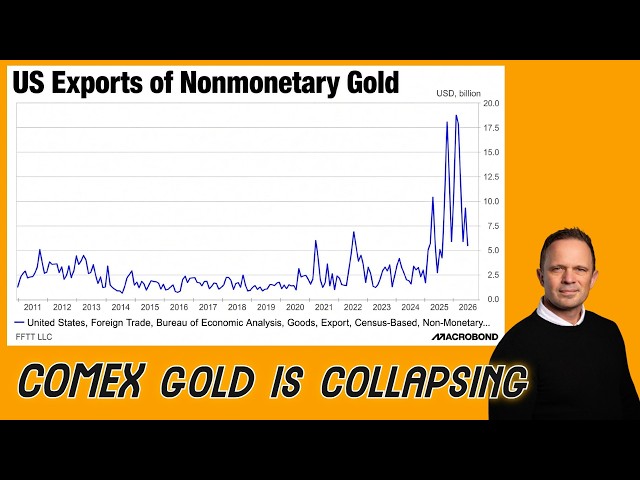
- U.S. Gold Exports Rise as COMEX Inventories Decline and China Expands Its Global Financial Influence: Continued gold exports from the United States and declining COMEX inventories have raised questions about the movement of physical bullion toward Eastern markets. Meanwhile, China is working to expand the yuan's role in international trade settlement, potentially reducing dependence on the U.S. dollar over time.
- Analyst Suggests Gold Could Require a Fivefold Revaluation to Balance U.S.-China Trade: Market commentator Luke Gromen argued that balancing the existing U.S.-China trade imbalance through gold would require a price approximately 5.5 times current levels. While this represents a theoretical scenario rather than a conventional price forecast, it highlights growing debate over gold's potential role in international monetary arrangements and the long-term consequences of global trade imbalances.
Gold and Silver Retreat as U.S. Inflation Hits 3.7%, Producer Prices Surge, COMEX Inventories Decline and China Expands Global Influence
Persistent inflation, rising interest rate expectations, declining U.S. gold inventories, and China's growing financial influence are shaping the outlook for precious metals.
Gold and Silver Prices Retreat as Inflation Fuels Interest Rate Concerns
Gold and silver experienced another volatile trading week as hotter-than-expected U.S. inflation data raised concerns about additional Federal Reserve interest rate hikes. Both precious metals suffered a midweek selloff before recovering some of their losses as investors evaluated the latest economic developments.
Gold spot price finished the week at approximately $4,168 per ounce bid, while silver closed at $56.85 per ounce bid. The gold-to-silver ratio ended the week near 73, reflecting the relative pricing of the two precious metals.
Although gold demonstrated greater resilience, silver and other major white precious metals experienced more significant selling pressure.
Higher interest rates can create headwinds for precious metals because gold and silver do not generate interest income. When Treasury yields rise, income-producing assets can become more attractive to investors. However, persistent inflation, expanding government debt, and concerns about the long-term purchasing power of the U.S. dollar continue to influence demand for physical bullion.
U.S. Consumer Inflation Reaches 3.7%, Nearly Double the Federal Reserve's Target
U.S. consumer inflation reportedly climbed to 3.7%, approaching twice the Federal Reserve's long-standing 2% annual inflation target.
According to the week's market commentary, September marked the 67th consecutive month in which annual Consumer Price Index inflation remained above the central bank's target.
The persistent inflationary environment presents a challenge for Federal Reserve policymakers. While higher interest rates are intended to slow consumer spending and reduce inflation, elevated borrowing costs also affect businesses, households, and the federal government's financing expenses.
Consumers continue to experience the cumulative impact of rising prices across essential goods and services. Even when the annual inflation rate moderates, prices generally remain elevated compared with previous years.
For precious metals investors, inflation remains an important consideration. Gold has historically attracted interest during periods of currency uncertainty, while silver's dual role as an investment metal and industrial commodity makes its price sensitive to both monetary policy and economic activity.
Producer Prices Surge as Inflationary Pressures Spread Across the Economy
Inflation concerns extend beyond consumer prices.
The market update highlighted several economic indicators pointing to continued pricing pressure throughout the U.S. economy:
- Consumer Price Index (CPI): 3.7% annual inflation.
- Producer Price Index (PPI): 6.3% annual inflation.
- Core Producer Price Index: 5.0% annual inflation.
- Personal Consumption Expenditures (PCE): 3.4% annual inflation.
- Brent crude oil: Approximately $106 per barrel, reportedly up 73% year to date.
- Fuel oil inflation: Approximately 74% year over year.
Producer price inflation is particularly important because it measures changes in the prices businesses receive for goods and services.
When manufacturers, distributors, and transportation companies experience higher operating expenses, some of those costs may eventually be passed along to consumers.
Energy prices represent another significant concern. Brent crude oil reaching approximately $106 per barrel adds pressure to transportation networks, manufacturing operations, agriculture, and international trade.
These developments suggest that inflationary pressures could remain difficult to contain, potentially complicating future Federal Reserve interest rate decisions.
U.S. Dollar Purchasing Power Declines Sharply Against Gold and Silver
Beyond the immediate market reaction to inflation reports, the longer-term purchasing power of the U.S. dollar remains an important theme for precious metals investors.
According to the market update, the dollar has lost approximately 58% of its purchasing power relative to gold and 59% relative to silver over the past five years.
These comparisons measure the dollar's value against precious metals rather than against a conventional basket of consumer goods. Nevertheless, they illustrate how significantly gold and silver prices have increased relative to the U.S. currency.
The report also highlighted continued growth in the U.S. money supply, with M2 expanding at an annual rate exceeding 5%.
Money supply growth, government borrowing, consumer demand, and production costs are among the factors that can influence inflation over time.
Gold and silver are often viewed as potential tools for long-term wealth preservation because their physical supply cannot be expanded through monetary policy in the same manner as fiat currency.
However, precious metals prices can experience substantial short-term volatility, and their performance does not always move directly with consumer inflation.
For investors considering physical gold coins, gold bars, silver coins, or silver bars, understanding these distinctions is important when evaluating long-term purchasing power and portfolio diversification.
U.S. Federal Deficit Approaches $2 Trillion as Government Borrowing Expands
Another major development influencing the precious metals outlook is the continued expansion of U.S. government borrowing.
The market update reported that the federal government recorded a fiscal-year deficit approaching $2 trillion, extending a multiyear period of substantial deficit spending.
Large fiscal deficits require the Treasury to finance government obligations through borrowing, adding to the national debt and future interest expenses.
As borrowing requirements increase, Treasury yields and investor demand for government securities become increasingly important considerations for financial markets.
Higher yields can weigh on gold and silver in the short term. At the same time, concerns about government debt sustainability, currency purchasing power, and monetary stability can support longer-term interest in precious metals.
This creates a complicated environment in which the same economic developments can generate both short-term selling pressure and longer-term investment demand for bullion.
U.S. Mint Gold Coin Sales Approach Historic Lows, but Secondary Market Demand Tells a Different Story
Sales of newly issued U.S. Mint gold bullion coins are tracking near historically low levels, drawing comparisons with the markets of 2000 and 2019.
However, these figures do not necessarily capture the full extent of physical gold trading activity in the United States.
An important distinction is the growing secondary market for previously issued bullion coins.
According to internal sales data referenced by SD Bullion, older American Gold Eagle coins are selling at more than five times the volume of newly minted 2026 American Gold Eagles.
This suggests that a significant portion of physical gold activity is occurring through the resale and redistribution of existing bullion rather than exclusively through newly minted products.
Secondary market coins can provide buyers with access to recognizable sovereign bullion products, sometimes at different premiums than current-year releases.
For market observers, U.S. Mint production and sales figures remain useful indicators, but they should be evaluated alongside secondary market transactions, dealer inventories, and broader physical bullion demand.
U.S. Gold Exports Rise as COMEX Inventories Continue to Decline
The movement of physical gold out of the United States represents another development attracting attention across precious metals markets.
The report highlighted continued U.S. gold exports alongside declining COMEX gold inventories.
COMEX inventories are closely watched because they provide insight into the amount of gold held in exchange-approved vaults, including metal available to support futures market delivery.
Changes in these inventories can reflect physical deliveries, movements between vaults, or shifts in the location and ownership of bullion.
The market commentary suggested that some gold leaving the United States may be moving toward Eastern markets, where demand from central banks, institutions, and private investors remains an important consideration.
However, declining COMEX inventories alone do not establish the ultimate destination of exported gold.
The broader trend underscores the importance of monitoring physical bullion flows alongside futures market activity and global investment demand.
China Expands the Yuan's Role in International Trade Settlement
China's efforts to expand the international use of its currency represent another potentially important development for gold and global financial markets.
The market update highlighted growing attention to China's efforts to encourage greater use of the yuan in international trade settlements.
As one of the world's largest trading economies, China has an interest in developing financial arrangements that provide alternatives to transactions conducted primarily in U.S. dollars.
A greater role for the yuan could gradually influence international reserve management, currency diversification, and demand for financial assets outside the traditional dollar-based system.
Gold remains relevant to these discussions because it is a globally recognized reserve asset that does not represent the direct liability of another government.
Market commentator Luke Gromen also presented a theoretical scenario suggesting that balancing the existing U.S.-China trade imbalance through a gold-based adjustment could require a gold price approximately 5.5 times its current level.
This is a hypothetical monetary valuation argument, not an established gold price forecast. Nevertheless, it illustrates the growing debate surrounding gold's potential role in international monetary arrangements.
Gold and Silver Outlook: Inflation, Interest Rates and Physical Demand Remain in Focus
Gold and silver enter the coming trading week facing several competing market forces.
Persistent inflation and elevated producer prices have reinforced expectations that the Federal Reserve may need to maintain restrictive monetary policy or consider additional interest rate increases.
At the same time, expanding government deficits, continued money supply growth, declining COMEX gold inventories, and changes in international trade settlement arrangements are contributing to longer-term discussions about the role of precious metals.
Physical bullion market activity also remains important. While newly minted U.S. gold coin sales have weakened, secondary market transactions suggest that demand cannot be measured through U.S. Mint sales figures alone.
Investors will be watching upcoming inflation reports, Treasury yields, Federal Reserve communications, energy prices, and global gold flows for additional indications of where precious metals markets may be headed.
Source:
Will rising yields break the global economy?
https://www.youtube.com/watch?v=3bA4tjNTPsw
Disclaimer: This article is provided for educational and informational purposes only and does not constitute financial or investment advice. Precious metals prices fluctuate, and past performance does not guarantee future results. Economic figures and market observations are based on the supplied weekly market commentary and have not been independently verified.