Who Holds the Most Gold? China Makes Its Biggest Purchase in Three Years, Poland Targets 700 Tons, and LBMA Sees $5,000 Gold as U.S. Debt Concerns Grow
- Gold Spot Price Closes at $4,195 per oz as Silver Holds Above $60 per oz: Gold finished the week slightly higher at $4,195 per oz, while silver remained relatively flat at $60.67 per oz. The gold-to-silver ratio declined to approximately 69, reflecting silver's relative strength against gold.
- Central Banks Turn to Gold as Government Debt Concerns Grow: Bundesbank President Joachim Nagel highlighted how rising government debt, credit risks, and geopolitical uncertainty are strengthening the case for central banks to diversify their reserves into gold. Despite higher bond yields, gold remains an important alternative reserve asset for monetary authorities.
- China Accelerates Gold Purchases With Its Largest Monthly Addition in Three Years: The People's Bank of China reportedly purchased more than 23 metric tons of gold last month, bringing its official holdings to approximately 2,410 metric tons. Strong Chinese gold imports and renewed consumer demand for investment gold bullion and jewelry continue to reinforce the country's importance in the global gold market.
- Poland Pushes Toward 700 Metric Tons of Gold Reserves: Poland remains one of Europe's most aggressive central-bank gold buyers, reportedly adding more than 100 metric tons this year, including approximately 25 metric tons recently. The country's continued accumulation brings it closer to its stated target of 700 metric tons in official gold reserves.
- Global Gold ETFs Attract More Than $30 Billion in Third-Quarter Inflows: According to the World Gold Council figures cited in the report, global gold-backed exchange-traded funds attracted more than $30 billion in net investment during the third quarter, marking a record in dollar terms. European investors led the inflows, followed closely by North American investors, highlighting growing institutional and retail interest in gold exposure.
- LBMA Conference Delegates Forecast Gold Above $5,000 and Silver Near $97: Precious metals industry delegates attending the London Bullion Market Association conference in Sorrento, Italy, projected gold prices exceeding $5,000 per ounce and silver reaching approximately $97 per ounce over the next 12 months. These forecasts reflect expectations for continued investment demand despite inflation, elevated interest rates, and geopolitical uncertainty.
- Metals Focus Forecasts Gold Averaging $5,330 in 2027: Precious metals consultancy Metals Focus expects gold to reach new record highs in 2027, forecasting an annual average price of $5,330 per ounce, representing a 16% year-over-year increase. The firm cited growing U.S. debt-servicing costs, persistent fiscal deficits, central-bank purchases, and diversification away from dollar-denominated assets as major factors supporting its outlook.
- Silver Could Outperform Gold as Investment Demand Recovers: Metals Focus anticipates stronger silver prices over the next 12 to 18 months, supported by renewed investor interest, recovering exchange-traded product inflows, and improving futures positioning. However, weaker Western bullion demand, declining Indian imports, and reduced industrial silver consumption could limit the influence of physical supply shortages on future price gains.
- US Inflation, Federal Reserve Policy, and Energy Prices Remain Major Market Risks: Above-target U.S. inflation, elevated energy costs associated with the Iran conflict, and the possibility of additional Federal Reserve tightening continue to create uncertainty for precious metals. Metals Focus believes economic growth concerns may prevent an extended interest-rate hiking cycle, while rising government borrowing costs and geopolitical instability could sustain longer-term demand for gold.
- Platinum Supply Deficits Continue Despite Significant Price Volatility: Platinum reached a reported record of $2,923 per ounce in January 2026 before retreating as speculative positions unwound. Metals Focus expects platinum to average $1,930 per ounce in 2026, a 51% annual increase, while forecasting a fifth consecutive annual supply deficit in 2027. Persistent supply constraints and declining above-ground inventories could continue supporting platinum prices despite weaker physical market conditions.
Who Owns the Most Gold Worldwide? Central Banks Increase Reserves as Debt Climbs, LBMA Forecasts $5,000 Gold and $97 Silver Amid Inflation and Energy Risks
Gold holds above $4,000, silver maintains support near $60, and precious metals analysts forecast higher prices as central banks increase gold reserves and investors seek alternatives to traditional financial assets.
Gold and Silver Prices Remain Steady as Investors Evaluate Market Conditions
Gold and silver finished the week with relatively modest price movements as investors continued assessing inflation, Federal Reserve monetary policy, government debt, and growing demand for precious metals.
Gold closed the week at approximately $4,195 per troy ounce, posting a slight weekly gain. Silver finished at $60.67 per ounce, remaining relatively flat despite ongoing volatility across financial markets. The gold-to-silver ratio declined to approximately 69, reflecting the relationship between the two metals.
While higher Treasury yields and the possibility of additional interest rate increases present challenges for precious metals, central bank purchases, investment fund inflows, and concerns about government debt continue to support the longer-term outlook.
At this week's London Bullion Market Association (LBMA) conference in Sorrento, Italy, industry participants discussed the growing importance of gold in global financial reserves and shared forecasts for gold and silver prices over the coming year.
Central Banks Increase Gold Holdings as Government Debt Concerns Grow
Rising government debt and geopolitical uncertainty are becoming increasingly important factors influencing how central banks manage their reserves.
Speaking at the LBMA conference, Bundesbank President Joachim Nagel highlighted the competing forces affecting traditional government bonds and physical gold.
Higher government bond yields have made debt securities more attractive to investors seeking income. However, increasing government debt levels have also raised concerns about sovereign credit risk and the long-term sustainability of government finances.
These conditions strengthen the argument for central banks to diversify their reserve holdings into gold.
Unlike government bonds, physical gold does not depend on a government issuer's ability to repay debt. Although gold generates no interest income, it remains an established reserve asset for monetary authorities seeking diversification.
Geopolitical tensions and uncertainty surrounding international trade and financial markets are also influencing reserve management decisions.
China Adds More Than 23 Metric Tons of Gold in a Single Month
China continues to play a major role in the global gold market through official central bank purchases and strong domestic demand.
According to figures discussed in this week's market update, the People's Bank of China purchased more than 23 metric tons of gold last month, representing its largest monthly addition in more than three years.
China's reported official gold reserves now total approximately 77.5 million troy ounces, equivalent to roughly 2,410 metric tons.
Beyond central bank purchases, Chinese consumers have shown renewed interest in physical gold as prices have declined from earlier highs.
Investment bullion like gold coins and gold bars; and high-purity gold jewelry remain important sources of demand. Gold imports into China have also remained strong, with much of the imported metal historically staying within the domestic market rather than returning to international trading centers.
Hong Kong has similarly experienced elevated gold import demand compared with recent historical levels.
Together, these developments highlight the continuing importance of Asian demand in determining global physical gold flows.
Poland Moves Closer to Its 700-Ton Gold Reserve Target
Poland remains one of Europe's most active official gold buyers.
The country's central bank has reportedly acquired more than 100 metric tons of gold this year, including approximately 25 metric tons in recent purchases.
These acquisitions are moving Poland closer to its stated objective of holding 700 metric tons of gold in official reserves.
Poland's accumulation strategy reflects a broader international trend in which central banks are increasing their exposure to physical gold as part of their reserve diversification programs.
The United States, Germany, Italy, France, Russia, and China remain among the world's largest individual national holders of official gold reserves.
Collectively, European Union member countries hold approximately 12,500 metric tons of gold, according to figures cited in the market update.
Gold ETFs Attract More Than $30 Billion in Third-Quarter Investment
Investor demand for gold-backed exchange-traded funds has strengthened significantly.
According to World Gold Council figures cited in the weekly report, global gold ETFs attracted more than $30 billion in net inflows during the third quarter of 2026, representing a record quarterly inflow in dollar terms.
European investors accounted for the largest share of these investments, followed closely by North American investors.
The substantial inflows demonstrate growing demand for gold exposure through financial investment products.
Gold ETFs provide investors with exposure to gold prices without requiring them to personally store physical bullion. However, these products differ from direct ownership of physical gold coins and bars in their structure, fees, and ownership arrangements.
The increase in ETF investment also suggests that gold demand is extending beyond central banks and physical bullion buyers into broader institutional investment portfolios.
LBMA Conference Delegates Forecast Gold Above $5,000 and Silver at $97
One of the most closely watched developments from this week's LBMA conference involved expectations for future precious metals prices.
According to the conference delegate polling discussed in the market update, participants projected that gold could exceed $5,000 per ounce by the time of the next annual conference, approximately 12 months from now.
Delegates also forecast silver reaching approximately $97 per ounce over the same period.
These projections imply substantial potential price increases from the week's closing levels of $4,195 for gold and $60.67 for silver.
The forecasts reflect expectations that investment demand, monetary uncertainty, central bank purchases, and geopolitical risks could continue influencing precious metals markets.
However, conference projections represent market expectations rather than guaranteed outcomes. Gold and silver prices remain sensitive to changing economic conditions, investor positioning, and monetary policy decisions.
Metals Focus Forecasts Gold in 2027
Precious metals research consultancy Metals Focus presented a bullish longer-term outlook for gold during the conference.
The firm expects gold to establish new all-time highs in 2027, forecasting an annual average price of approximately $5,330 per ounce, an increase of 16% compared with its projected 2026 average.
Several economic factors support this forecast.
Growing U.S. government deficits and increasing debt-servicing costs are raising questions about the sustainability of government finances. At the same time, uncertainty surrounding U.S. economic policy may encourage institutional investors and central banks to diversify away from traditional dollar-denominated assets.
Metals Focus also expects central banks to remain substantial net purchasers of gold.
Continued official-sector demand could provide an important source of support during periods when private investors reduce their gold exposure.
The firm expects physical investment demand to reach record levels over the next 12 months, with investment activity remaining the primary driver of higher gold prices.
Silver Could Outperform Gold as Investment Demand Recovers
Metals Focus also anticipates stronger silver prices over the next 12 to 18 months.
The firm believes silver could benefit from many of the same economic forces supporting gold, including government debt concerns, geopolitical uncertainty, and renewed investor demand for precious metals.
Silver's relative underperformance following its January 2026 price peak may have improved its appeal to investors seeking exposure to precious metals.
Recent improvements in silver exchange-traded product inflows and futures market positioning suggest that investment interest is beginning to recover.
However, the physical silver market faces several challenges.
Demand for silver bars and silver coins in Western markets has weakened, while Indian silver imports have declined considerably. Improved availability of silver in London has also reduced some of the liquidity pressures that contributed to the strong rally during late 2025 and early 2026.
Higher silver prices have additionally affected jewelry and silverware consumption.
Industrial users, particularly manufacturers of solar panels, continue exploring ways to reduce the amount of silver required in production or substitute alternative materials where possible.
As a result, Metals Focus expects future silver price increases to depend more heavily on renewed investor participation than on physical market shortages.
The firm anticipates silver initially following gold higher before potentially outperforming as stronger price momentum attracts additional investment.
Inflation, Federal Reserve Policy, and Energy Prices Create Market Uncertainty
Despite the positive longer-term outlook, precious metals continue facing significant near-term economic challenges.
U.S. inflation remains above the Federal Reserve's target, while elevated energy prices associated with the ongoing Iran conflict have added pressure to the broader economy.
Persistent inflation could encourage the Federal Reserve to maintain restrictive monetary policy or consider additional interest rate increases.
Higher interest rates and Treasury yields can reduce the relative attractiveness of non-yielding assets such as gold and silver.
However, Metals Focus does not anticipate an extended cycle of aggressive Federal Reserve rate increases.
The firm believes concerns about economic growth could limit how far policymakers can tighten monetary conditions.
This creates a challenging environment in which policymakers must balance inflation risks against the possibility of slower economic activity.
For gold investors, that tension remains important. Rising yields may create short-term selling pressure, while economic uncertainty, fiscal deficits, and geopolitical instability may encourage longer-term diversification into precious metals.
Platinum Supply Deficits Continue Despite Price Volatility
Although gold and silver remain the primary focus for many precious metals investors, platinum is also experiencing significant market developments.
Platinum reportedly reached a record high of $2,923 per ounce in January 2026 before retreating sharply as speculative positions were reduced.
Despite that correction, prices have remained well above 2025 levels.
Metals Focus forecasts platinum averaging approximately $1,930 per ounce in 2026, representing a 51% year-over-year increase.
Strong investor participation, including the introduction of platinum futures trading on China's Guangzhou Futures Exchange, has contributed to the metal's performance.
However, platinum's physical supply outlook remains an important consideration.
The market continues experiencing supply deficits, which are gradually reducing above-ground inventories.
Metals Focus expects another supply deficit in 2027, marking the fifth consecutive year in which demand exceeds available supply, although the projected shortfall is expected to narrow.
The continuing imbalance could provide support for platinum prices even as speculative demand and physical market tightness fluctuate.
Gold and Silver Outlook: What Investors Should Watch Next
Gold and silver enter the coming months influenced by several competing economic forces.
Higher interest rates, rising Treasury yields, and persistent inflation could create additional short-term volatility. At the same time, growing government debt, central bank accumulation, geopolitical uncertainty, and renewed investment demand continue shaping the longer-term outlook.
China's substantial gold purchases, Poland's expanding reserves, and record third-quarter gold ETF inflows demonstrate the breadth of demand across official and private investment markets.
Meanwhile, forecasts from LBMA conference delegates and Metals Focus suggest that industry participants see the potential for higher gold and silver prices during 2027.
For silver, the recovery in investment demand will be particularly important as physical bullion purchases and industrial consumption face challenges.
Investors should continue monitoring Federal Reserve decisions, U.S. Treasury yields, central bank gold purchases, precious metals ETF flows, and developments in the global economy.
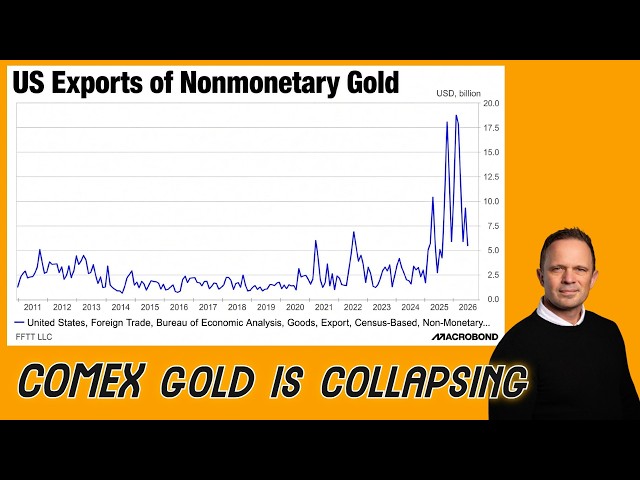
Watch SD Bullion's latest weekly gold and silver market update video for additional analysis of central bank buying, global gold reserves, and the price forecasts that could influence precious metals markets in the year ahead.
Disclaimer: This article is provided for educational and informational purposes only and does not constitute financial or investment advice. Precious metals prices can fluctuate significantly, and forecasts are not guarantees of future performance. Investors should conduct independent research and consult qualified financial professionals before making investment decisions.