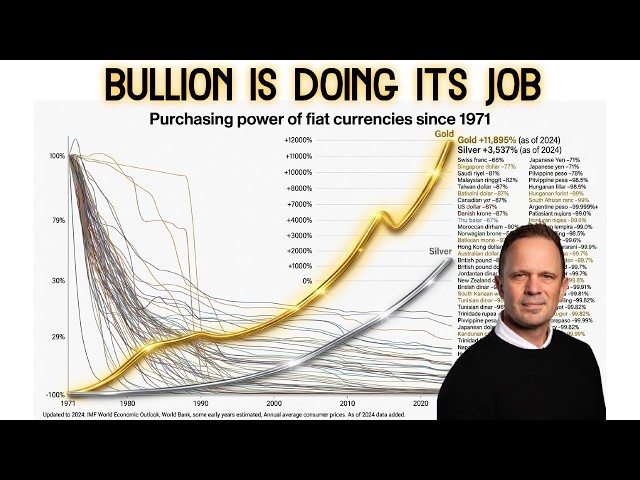
U.S. Debt Hits $40.6 Trillion as Gold and Silver Prices Decline: Rising Interest Costs and Record Federal Deficits Could Fuel the Next Historic Gold Bull Market
- Gold and Silver Prices Decline for the Week: Precious metals extended their recent selloff, with gold price closing at $3,889 per ounce and silver price finishing at $49.38 per ounce, based on asking prices. The gold-to-silver ratio increased to approximately 79.5, reflecting silver's relative weakness compared with gold.
- U.S. National Debt Reaches a Record $40.6 Trillion: America's national debt has surpassed $40.6 trillion, increasing by more than $1.2 trillion since the early July 2026 lows in gold and silver. The rapid expansion of federal borrowing continues to raise concerns about long-term fiscal sustainability and the purchasing power of the U.S. dollar.
- Federal Government Records a $404 Billion October Deficit: The U.S. government reportedly collected $369 billion in revenue while spending more than $773 billion during October 2026. The resulting $404 billion deficit marks a record October shortfall, according to the market update, highlighting the widening gap between federal spending and tax receipts.
- Interest Payments Consume 28% of Federal Revenue: Rising borrowing costs are placing increasing pressure on federal finances. According to the report, approximately 28 cents of every dollar collected by the federal government in October went toward interest payments. Interest costs have become the second-largest federal expenditure behind Social Security, raising concerns about the sustainability of elevated interest rates.
- Annual Deficits Near $2 Trillion Become a Persistent Fiscal Challenge: Since the COVID-19 pandemic, federal expenditures have grown considerably faster than government revenues. The report argues that persistent multitrillion-dollar deficits, combined with elevated interest rates and expanding entitlement obligations, could accelerate the national debt's growth throughout the coming decade.
- Today's Gold Market Differs Significantly From the 1980 Bull Market: When gold futures reached approximately $875 per ounce in January 1980, U.S. national debt stood near $863 billion. Today, federal debt exceeds $40.6 trillion, fundamentally changing the economic environment. Unlike the early 1980s, when policymakers had greater fiscal flexibility, today's larger debt burden may complicate efforts to control inflation through prolonged high interest rates.
- Central Banks Continue Accumulating Gold at a Historic Pace: The report describes exceptionally strong central bank gold purchases during the first three quarters of 2026. Continued reserve diversification and concerns about sovereign debt could support long-term demand for physical gold as monetary authorities seek to reduce exposure to fiat-denominated assets.
- U.S. Gold Reserves Cover Just 2.5% of Outstanding Federal Debt: In 1980, America's official gold reserves briefly represented approximately 25% of outstanding federal debt. Today, the report estimates that the same reserves cover only about 2.5% of the national debt. This widening imbalance illustrates how dramatically federal liabilities have expanded relative to the nation's physical gold holdings.
- Financial System Disruptions Highlight Growing Infrastructure Vulnerabilities: The report cites widespread U.S. flight disruptions on November 13 and a Microsoft service outage on November 12 as examples of potential weaknesses in interconnected technological and financial infrastructure. Although these incidents are not established causes of the precious metals selloff, they contribute to broader discussions about systemic risk and financial resilience.
- Could America's Debt Crisis Drive Gold Prices Significantly Higher? Despite recent weakness in gold and silver prices, the report maintains a bullish long-term outlook for precious metals. With federal debt expanding, unfunded liabilities accumulating, and central banks increasing gold reserves, the analysis presents a scenario in which gold could eventually appreciate substantially, potentially reaching multiples of its current price. Such projections remain speculative and depend on future monetary policy, inflation, economic conditions, and investor demand.