Gold and Silver Prices Return to Year-Ago Levels as Rising Interest Rates and Weakening Demand Pressure Precious Metals
- Gold Falls Below $4,000 as Silver Drops Under $50 Per Ounce: Precious metals experienced another difficult trading week, with gold closing at $3,875 per ounce and silver finishing at $49.13 per ounce. The gold-to-silver ratio climbed to approximately 79:1, reflecting silver's continued underperformance relative to gold.
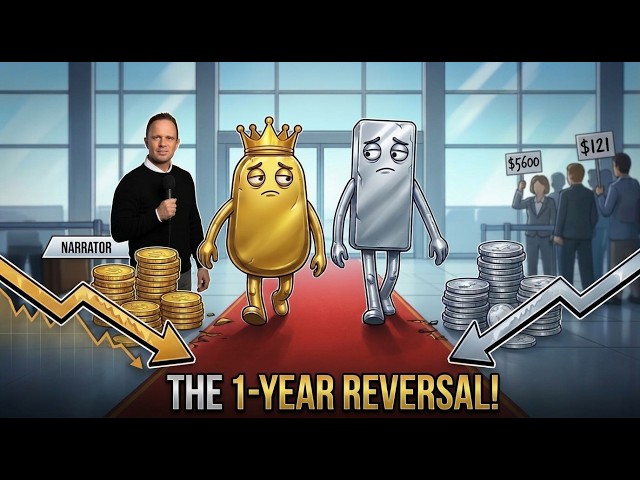
- Gold and Silver Complete a Historic 12-Month Price Round Trip: After reaching record highs of $5,598.58 for gold and $121.67 for silver in January 2026, both metals have retreated to price levels last seen in October 2025. Gold briefly touched $3,879.30 and silver fell to $48.89 on October 30, highlighting the extraordinary volatility that has defined precious metals markets over the past year.
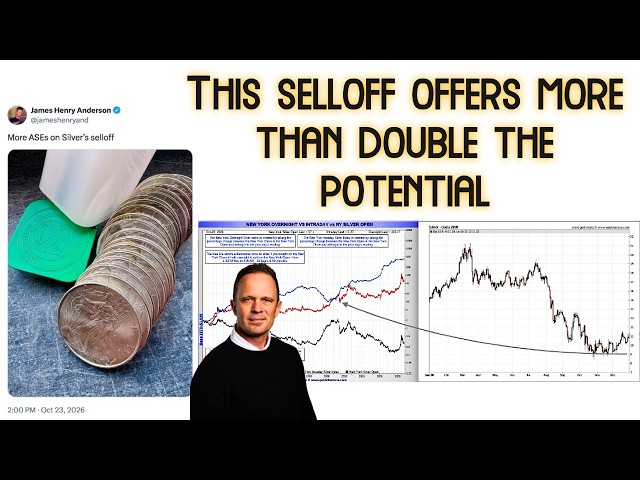
- Silver's Historic Rally Unwinds as Speculative Trading Reverses: The dramatic surge in silver prices during late 2025 and early 2026 attracted billions of dollars in speculative capital through futures and options markets. As leveraged positions unwound, silver experienced a steep correction reminiscent of the 2008 financial crisis, when prices plunged from above $21 to below $9 per ounce.
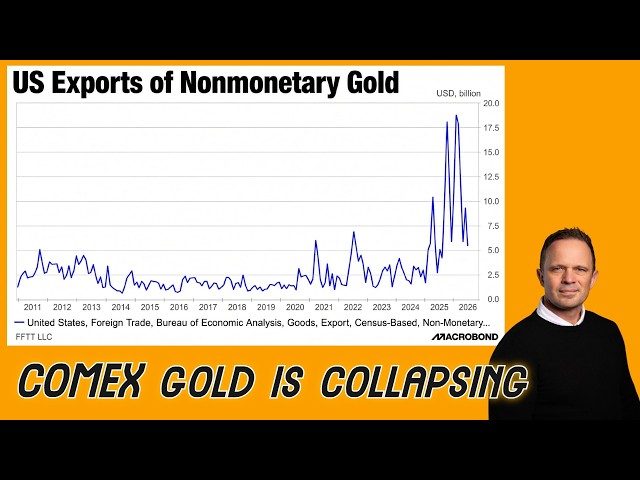
- COMEX Silver Inventories Declined by Approximately 200 Million Ounces During the Rally: Roughly 200 million ounces of silver were withdrawn from COMEX inventories during the late-2025 and early-2026 price surge, alongside approximately 300,000 ounces of platinum. Despite recent improvements in available inventories, these substantial withdrawals illustrate how rapidly physical precious metals can move during periods of elevated demand.
- Indian Silver Investment Demand Collapses After Last Year's Buying Frenzy: Indian silver investment products reportedly absorbed nearly 100 million ounces in 2025, contributing to a global supply squeeze and record silver lease rates. In 2026, net investment demand through these products has fallen to approximately 10 million ounces, removing a significant source of buying pressure that previously helped propel silver toward record highs.
- London Silver Inventories Recover as Physical Supply Pressures Ease: According to Metals Focus, London's freely available silver inventories, excluding metal held by physically backed exchange-traded products, have recovered to approximately 267 million ounces, nearly double their October 2025 lows. Modest inventory increases across exchanges in the United States, China, and India suggest the extreme physical silver shortages experienced last year have eased.
- Metals Focus Warns Silver Market Could Return to Surplus in 2027: Weak jewelry and silverware consumption, reduced Indian investment demand, and industrial efforts to use less silver, particularly in solar panels, are expected to narrow the global silver supply deficit in 2026. Metals Focus projects a potential market surplus in 2027, although renewed investment demand could alter the outlook.
- Rising Treasury Yields and Interest Rate Expectations Pressure Gold and Silver: Expectations for tighter monetary policy and elevated bond yields continue to weigh on precious metals. Gold and silver are trading below their 200-day moving averages, with gold approximately 14% beneath its long-term technical benchmark. Metals Focus expects near-term pressure to continue, although reduced expectations for monetary tightening in 2027 could eventually support a silver recovery.
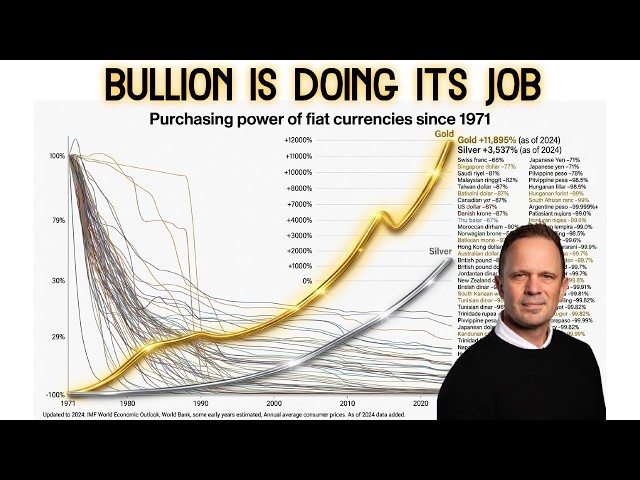
- Gold and Silver Highlight Long-Term Currency Depreciation Across Global Markets: Despite recent U.S. dollar price declines, silver remains significantly above its 2011 highs when measured in Japanese yen, Indian rupees, and euros. The contrasting performance illustrates how currency depreciation can influence the long-term purchasing power of national currencies relative to precious metals, even during substantial market corrections.
- U.S. National Debt Approaches $40.6 Trillion as Gold-to-Silver Ratio Nears 80:1: America's expanding federal debt and persistent fiscal pressures remain important considerations in the long-term precious metals outlook. With the gold-to-silver ratio approaching 80:1, investors are reassessing silver's relative valuation following its historic correction. While near-term volatility and potential further declines remain risks, the broader debate over government debt, currency purchasing power, and precious metals as long-term stores of value continues.
Gold Falls Below $4,000 and Silver Drops Under $50 Per Ounce
The precious metals market ended the week of October 30, 2026, with another substantial decline.
Gold price closed at $3,875 per ounce, while silver finished at $49.13 per ounce, marking a return to price levels not seen in approximately one year.
The gold-to-silver ratio, which measures how many ounces of silver are required to purchase one ounce of gold, climbed to approximately 79:1.
This widening ratio highlights silver's recent underperformance relative to gold, a pattern often observed during periods of financial market uncertainty and weakening industrial demand.
The latest selloff has also pushed both metals below their respective 200-day moving averages, a widely followed technical indicator used to evaluate longer-term price trends.
Gold is now trading approximately 14% below its 200-day moving average, illustrating the magnitude of the correction.
For investors monitoring the gold price per ounce and current silver spot price, the question is whether these levels represent a temporary period of stabilization or the beginning of another leg lower.
Gold and Silver Complete a Historic 12-Month Price Round Trip
The past year has delivered one of the most dramatic periods of precious metals price volatility in recent history.
On October 30, 2025, gold traded near $3,953.17 per ounce, while silver stood at approximately $49.08.
Just three months later, both metals reached extraordinary record highs.
From the January peak to the October 30 intraday low, gold declined approximately 31%, while silver plunged nearly 60%.
The magnitude of silver's correction is particularly notable given the enthusiasm surrounding its breakout above the previous nominal price highs established in 1980 and 2011.
Silver briefly surpassed $50 per ounce in October 2025 before consolidating for several weeks. A renewed breakout following Thanksgiving helped launch a powerful rally that continued into January 2026.
However, the same speculative enthusiasm that accelerated the rally also contributed to the subsequent decline.
Speculative Trading and Leveraged Positions Accelerate Silver's Decline
The historic rally in precious metals during late 2025 and early 2026 attracted substantial capital into futures, options, and other derivative markets.
As prices climbed, momentum traders increased their exposure to gold, silver, and platinum, helping drive prices significantly higher over a relatively short period.
Although strong physical market fundamentals initially supported the rally, leveraged speculative positions amplified price movements.
When market sentiment reversed, those positions became vulnerable to liquidation, accelerating the decline.
Silver has historically demonstrated greater volatility than gold because its market is smaller and its demand reflects both investment and industrial activity.
The current correction bears some resemblance to the financial crisis of 2008.
During the first quarter of 2008, silver climbed above $21 per ounce as commodity prices surged. Within approximately nine months, silver had collapsed into the $8 to $9 range as the global financial crisis intensified.
That period eventually coincided with the introduction of extraordinary monetary policy measures, including quantitative easing, as central banks attempted to stabilize financial markets.
While today's economic conditions differ considerably from those of 2008, the comparison illustrates how quickly precious metals can move from speculative enthusiasm to widespread selling pressure.
COMEX Silver Inventories Decline by Approximately 200 Million Ounces
Physical ogld and silver bullion movements were another defining feature of the recent precious metals rally.
According to the weekly market commentary, approximately 200 million ounces of silver were withdrawn from COMEX inventories during the powerful price advance spanning late 2025 and early 2026.
Platinum inventories also experienced significant withdrawals, totaling approximately 300,000 ounces.
Some of this metal was likely sold into the price strength as investors and market participants responded to unusually elevated prices.
These movements demonstrate the relationship between physical silver and gold bullion availability and financial market activity.
During periods of strong demand, inventories can decline rapidly as metal moves between exchanges, commercial participants, investors, and international markets.
However, warehouse withdrawals do not necessarily indicate that metal has been permanently removed from the broader global supply chain.
Recent improvements in exchange inventories suggest that some of the extreme supply pressures experienced during the rally have eased.
Nevertheless, COMEX silver inventories remain substantially below their levels at the beginning of 2026, according to the supplied market update.
Indian Silver Investment Demand Falls Sharply After Record Buying in 2025
One of the most important developments affecting the silver price today is the dramatic slowdown in Indian investment demand.
India has long represented a major source of global demand for physical silver, including jewelry, silverware, bullion like silver coins, and investment products.
During 2025, Indian silver savings programs and exchange-traded investment products reportedly absorbed approximately 100 million ounces of silver.
This surge in demand contributed to tightening physical inventories, particularly in London, which has historically served as an important source of silver for the Indian market.
The increased demand helped push silver lease rates to extraordinary levels and contributed to the market conditions preceding January's record prices.
However, the picture has changed significantly in 2026.
Net silver investment demand through these Indian products has reportedly fallen to approximately 10 million ounces.
That represents a reduction of roughly 90% compared with the previous year's estimated investment inflows.
Government restrictions introduced in May also contributed to lower Indian silver imports, helping relieve liquidity pressures in London.
More recently, Indian authorities issued import licenses covering more than 10,000 metric tons of silver bullion over a six-month period.
However, precious metals consultancy Metals Focus has expressed doubts that these licenses will be fully utilized because underlying physical demand remains subdued.
Elevated prices have reduced jewelry consumption, while lighter jewelry designs have further constrained the amount of silver required.
The slowdown in Indian demand has removed an important source of support from the international silver market.
London Silver Inventories Recover as Physical Market Shortages Ease
The recovery in London's available silver inventories provides another explanation for the recent decline in silver prices.
During October 2025, strong Indian demand and tightening physical supply contributed to an extraordinary squeeze in the London silver market.
As available metal became increasingly scarce, borrowing costs rose and silver lease rates reached unusually elevated levels.
According to Metals Focus, London's silver inventories available outside physically backed exchange-traded products have since recovered to approximately 267 million ounces.
This represents nearly double the lows recorded in October 2025 and brings available inventories close to levels seen before earlier trade-related disruptions.
Metals Focus Projects Narrowing Silver Deficit and Potential Surplus in 2027
The outlook for global silver supply and demand has also become less supportive of higher prices.
Metals Focus expects the silver market deficit to narrow during 2026, with the possibility of a return to surplus in 2027.
Several developments are contributing to this outlook.
Physical investment demand has weakened, particularly in India, while elevated prices have discouraged jewelry and silverware consumption.
Industrial demand is also facing pressure from efforts to reduce the amount of silver used in manufacturing.
Solar panel producers, for example, have been working to reduce silver consumption per unit through improved manufacturing efficiency and the substitution of alternative materials.
These changes can reduce demand growth even as global solar installations continue expanding.
A potential return to surplus would represent a significant shift from the supply conditions that helped support silver's historic rally.
However, a projected surplus does not guarantee lower prices.
Silver remains sensitive to investor sentiment, monetary policy expectations, exchange-traded fund flows, and changes in physical demand.
Metals Focus also suggests that silver could begin outperforming gold again if financial markets reduce their expectations for aggressive monetary tightening during 2027.
Rising Treasury Yields and Interest Rate Expectations Pressure Precious Metals
Monetary policy remains one of the most important forces influencing gold and silver prices.
Expectations for higher interest rates and elevated government bond yields have created significant headwinds for precious metals.
Unlike interest-bearing securities, physical gold and silver do not generate coupon payments or interest income.
When bond yields rise, the opportunity cost of holding non-yielding assets can increase, potentially reducing investor demand.
Higher yields can also support the U.S. dollar, making dollar-denominated precious metals more expensive for buyers using other currencies.
Silver may experience additional pressure because of its industrial applications and greater sensitivity to changes in economic growth expectations.
The current technical picture reflects these challenges.
Both gold and silver have fallen below their 200-day moving averages, with gold trading approximately 14% below that benchmark heading into Halloween weekend.
While such conditions may eventually attract investors seeking lower entry prices, they can also signal persistent downward momentum.
The timing of any sustainable recovery remains uncertain and will likely depend on changes in inflation, interest rate expectations, investment flows, and physical demand.
Gold and Silver Remain Elevated Against Major Global Currencies
Despite the substantial decline in U.S. dollar-denominated gold and silver prices, the longer-term performance of precious metals looks different when measured in other currencies.
The weekly market commentary examines silver prices in euros, Japanese yen, Chinese yuan, and Indian rupees.
In several of these currencies, silver remains substantially above the nominal price highs recorded in 2011.
In Japan, silver is trading near ¥7,700 per ounce, almost twice its 2011 peak in local currency terms.
Japan's prolonged economic stagnation, substantial government debt, and periods of currency depreciation have influenced the yen-denominated price of precious metals.
A similar pattern is evident in India.
Although silver has fallen sharply from its January 2026 highs, its rupee-denominated price remains approximately twice the nominal peak reached in 2011.
Earlier this year, silver reportedly traded as high as five times its previous 2011 rupee-denominated peak.
European investors have also experienced substantial changes in the value of precious metals relative to the euro.
These comparisons highlight an important distinction between short-term precious metals volatility and longer-term changes in currency purchasing power.
However, currency depreciation is only one factor affecting local precious metals prices. Global metal prices, exchange rates, taxes, import duties, and domestic market conditions also influence what buyers ultimately pay.
For investors evaluating gold and silver as potential long-term stores of value, these international comparisons provide useful historical context.
U.S. National Debt Nears $40.6 Trillion as Long-Term Fiscal Concerns Persist
While near-term market conditions remain challenging, the broader discussion surrounding government debt and currency purchasing power has not disappeared.
According to the weekly market commentary, U.S. national debt has reached approximately $40.6 trillion heading into the final weekend of October 2026.
The continued expansion of federal borrowing raises questions about future interest expenses, fiscal sustainability, and the purchasing power of the U.S. dollar.
Higher government debt does not automatically translate into higher gold or silver prices.
In fact, the recent selloff demonstrates that precious metals can experience substantial declines even as government borrowing continues expanding.
Nevertheless, long-term fiscal conditions remain relevant to investors who view physical precious metals as a way to diversify exposure to financial assets and fiat currencies.
Gold has historically attracted demand during periods of monetary uncertainty, while silver combines monetary characteristics with significant industrial applications.
Both metals can experience extended periods of volatility, and neither provides guaranteed protection against inflation or currency depreciation.
Gold-to-Silver Ratio Approaches 80:1 as Investors Reassess Relative Value
One of the most closely watched indicators in the precious metals market is the gold-to-silver ratio.
The ratio measures the number of ounces of silver required to purchase one ounce of gold.
With gold closing near $3,875 and silver around $49.13, the ratio stands at approximately 79:1.
This represents a significant increase from the much lower ratios observed during silver's powerful rally earlier in 2026.
A rising ratio indicates that silver is becoming less expensive relative to gold.
Historically, some precious metals investors have used the ratio to evaluate potential opportunities to rebalance holdings between the two metals.
However, there is no fixed level at which the ratio must reverse.
Silver's industrial demand, investor participation, and greater volatility can cause the ratio to remain elevated or move considerably higher during periods of economic uncertainty.
The current reading near 80:1 reflects the substantial reversal in silver's relative performance since January.
Whether the ratio begins narrowing again may depend on a recovery in physical silver demand, improving industrial conditions, and renewed investor interest.
Gold and Silver Outlook: Will Precious Metals Find Support Before 2027?
The precious metals market enters November 2026 facing competing short-term and long-term forces.
In the near term, rising Treasury yields, subdued Indian silver demand, improving London inventories, and expectations for tighter monetary policy continue to weigh on prices.
Metals Focus expects physical silver demand to remain relatively weak in the coming months, with the possibility of a global market surplus developing in 2027.
These conditions suggest that further volatility cannot be ruled out.
At the same time, the extraordinary decline from January's record highs has returned both gold and silver to price levels last observed approximately one year ago.
For long-term precious metals buyers of gold coins or silver bars, the correction may prompt a reassessment of purchasing strategies, premiums, and portfolio exposure rather than an assumption that prices have reached their final lows.
The broader economic environment also remains uncertain.
U.S. government debt continues expanding, major currencies have experienced significant long-term depreciation, and global monetary policy expectations remain subject to change.
The central question for gold and silver investors is whether weakening physical demand and elevated interest rates will continue dominating the market, or whether renewed investment demand and changing monetary conditions will eventually establish a sustainable recovery.
Disclaimer: This article is provided for educational and informational purposes only and does not constitute financial or investment advice. Precious metals prices are volatile, and past performance does not guarantee future results. Readers should conduct their own research and consider their financial circumstances before making purchasing decisions.