Jump to: Comparison Table | Intro to Precious Metals | Bullion Coins | Numismatic Coins | Key Differences | Characteristics of Numismatic Coins
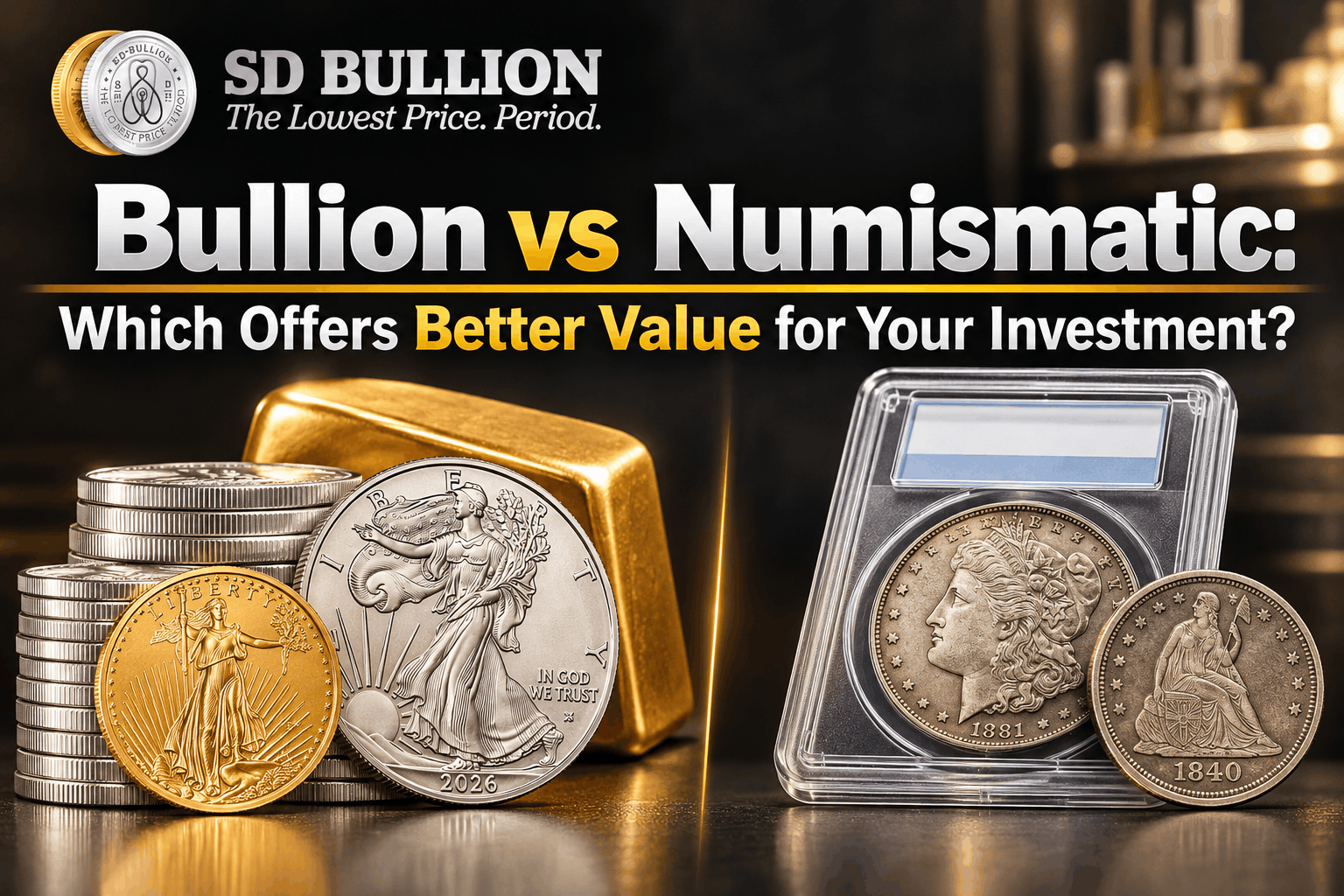
Bullion offers better investment value for buyers focused on precious metal content, lower premiums, and ease of resale, while numismatic coins may offer greater value to collectors.
This guide explains how pricing, rarity, market demand, and liquidity affect the value of both options and why these differences matter to precious metal investors.
Key Takeaways:
-
Bullion and numismatic coins differ primarily in how their value is determined. Bullion coins are valued for their precious metal content, while numismatic coins derive additional value from rarity, condition, historical significance, and collector demand.
-
Bullion coins generally offer lower premiums, greater liquidity, and more transparent pricing. Their prices closely track the spot price of precious metals, making them easier to value, buy, and sell.
-
Numismatic coins offer potential long-term appreciation beyond their intrinsic metal value. However, higher premiums, changing collector demand, and lower liquidity introduce additional investment risks.
-
The choice between bullion and numismatic coins depends on individual investment goals and interests. Bullion appeals to buyers focused on wealth preservation and precious metal ownership, while numismatic coins appeal to collectors interested in rarity and historical value.
Bullion vs. Numismatic Coins: Comparison Table
|
Characteristics |
Bullion Coins |
Numismatic Coins |
|---|---|---|
|
Primary source of value |
Precious metal content |
Rarity, condition, historical significance, and collector demand |
|
Premiums |
Lower than rare coins |
Higher in general |
|
Availability |
Large mintages and widespread availability |
Often limited mintages or scarce historical issues |
|
Liquidity |
High; generally easier to buy and sell |
Lower; may require specialized buyers |
|
Appreciation potential |
Driven primarily by precious metal prices |
Driven by collector demand, rarity, and metal prices |
|
Investment risk |
Metal price fluctuations |
Metal price fluctuations and collector market uncertainty |
|
Expertise required |
Basic precious metal market knowledge |
Specialized knowledge of grading, rarity, and authenticity |
|
Primary purpose |
Wealth preservation and portfolio diversification |
Collecting and potential long-term appreciation |
|
Popular examples |
American Eagles, Canadian Maple Leafs, and Krugerrands |
Rare Morgan Dollars, Peace Dollars, and collectible pre-1933 gold coins |
Introduction to Precious Metals
Gold and silver are widely used as a potential hedge against inflation, a safe-haven asset during economic uncertainty, and a long-term store of value. Precious metal coins fall into two main categories: bullion and numismatic coins.
Bullion Coins: Value Based on Precious Metal Content
Bullion refers to coins, bars, or rounds made from precious metals, with their value tied to the current market price of the underlying metal. According to the United States Mint, bullion coins are primarily valued based on the weight and purity of their metal content and the current spot price.
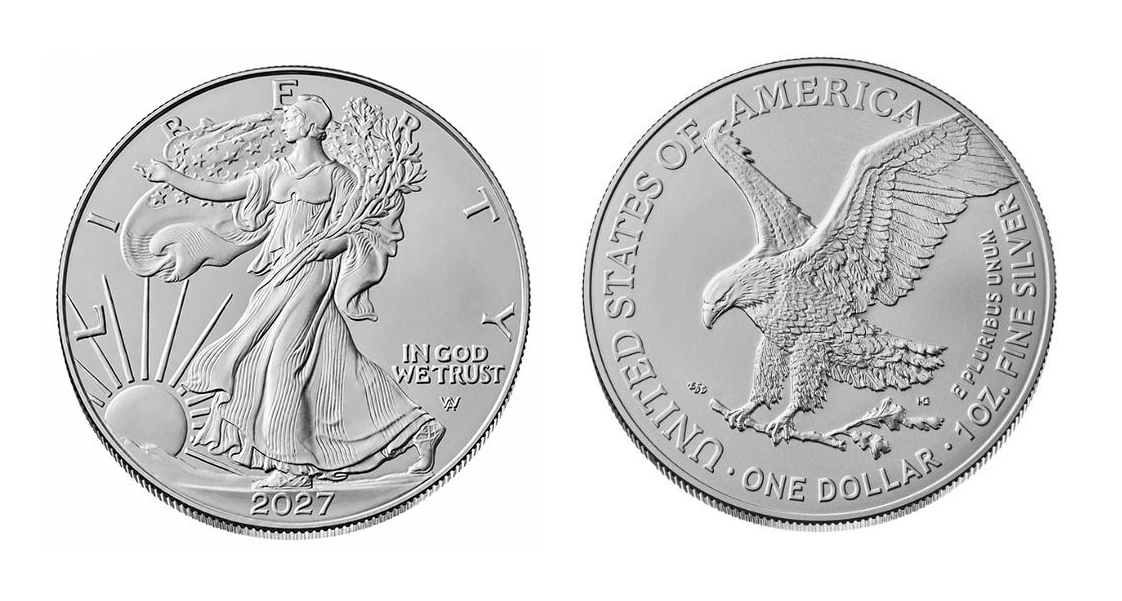
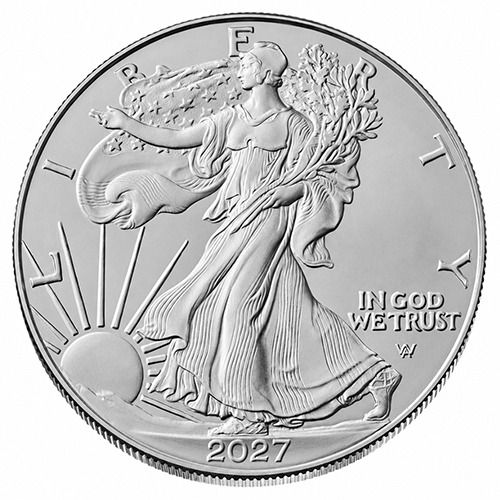
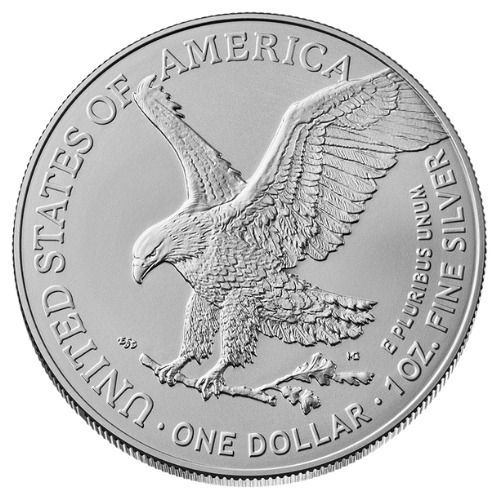
Popular bullion coins, such as the 1 oz American Gold Eagle, 1oz Canadian Gold Maple Leaf, South African Krugerrand, and 1oz American Silver Eagle, offer transparent pricing, relatively low premiums compared to numismatic coins, and broad market recognition.
Numismatic Coins: The Historical and Collector Value of Rare Coins
Numismatic coins derive their value from rarity, age, condition, historical significance, and collector demand in addition to their metal content. These collectible coins may offer higher potential appreciation but generally involve higher premiums and lower liquidity than bullion coins.
Bullion vs. Numismatic Coins: Key Differences in Investment Potential
Bullion provides direct exposure to precious metal prices, while numismatics appeal to individuals interested in historical value and potential long-term appreciation. The choice between bullion and numismatic coins depends largely on personal interests and investment goals, but some investors hold both types of coins to diversify their precious metals holdings.
Understanding Bullion Coins
Bullion coins are valued based on the mass and purity of their underlying precious metal content, with prices closely tracking the current spot price of the metal. These coins typically carry a small premium over their intrinsic metal value to cover production and distribution costs. Unlike numismatic coins, a bullion coin's condition, rarity, and historical significance generally play a lesser role in determining its value.
Popular Gold and Silver Bullion Coins
Popular silver bullion coins include the 1 oz American Silver Eagle and 1oz Silver Maple Leaf, while popular gold bullion coins include the 1oz American Gold Eagle, 1oz Canadian Maple Leaf, and South African Krugerrands.
Government mints generally produce bullion coins in large quantities, while private mints produce bullion products such as silver bars and rounds. Large-scale production makes these products widely available to investors.
Standardization allows bullion coins to closely track real-time metal markets, facilitating easy valuation. They are generally easy to buy and sell due to their padronized weight, purity, and widespread recognition.
The liquidity of American bullion coins is further supported by the U.S. Mint's Authorized Purchaser network, which is required to maintain a two-way market for buying and selling U.S. Mint bullion coins.
SD Bullion displays bullion product prices alongside current precious metal prices, allowing investors to compare coin premiums before making a purchase.
Investment Benefits and Risks of Bullion Coins
Investors often buy bullion coins for wealth preservation, portfolio diversification, and protection against economic instability. Gold and silver bullion can serve as a potential hedge against inflation and a long-term store of value. However, their investment performance depends on fluctuations in precious metal prices, and ownership involves costs such as premiums and secure storage.
Numismatic Coins and the Numismatic Market
Numismatic coins are primarily valued based on their rarity, historical significance, condition, and demand among collectors. Unlike bullion coins, numismatic coins have historical, cultural, or artistic value in addition to their metal value.
Numismatic coins appeal to collectors due to their historical significance and rarity. They are mainly purchased by enthusiasts who appreciate coin collecting and historical and artistic features.
The numismatic market is driven by collector demand and subjective valuation criteria, such as rarity, historical significance, and state of preservation. According to PCGS's analysis of collectible valuation, supply and demand play a central role in determining collectible prices. Age and rarity alone do not guarantee high numismatic value.
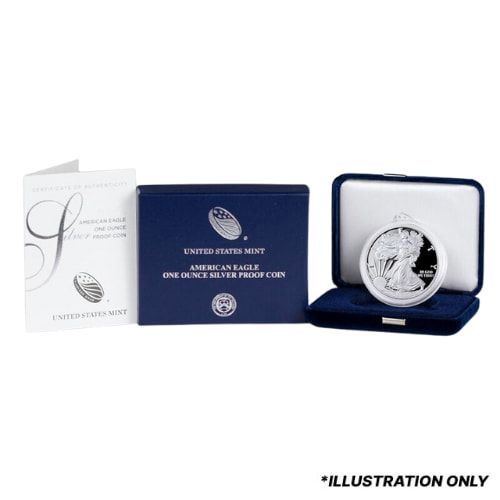
Unlike bullion prices, these factors are more difficult to quantify and do not necessarily follow daily metal prices. Historical silver coins, such as Morgan and Peace Dollars, pre-1933 American gold coins, and certain proof coins are examples of collectible coins.
Investment Potential and Risks of Numismatic Coins
Numismatic coins can represent an opportunity for higher potential returns over the long term, but they come with increased risks. Although rare coins can appreciate substantially over time, their value is generally less predictable than that of bullion coins.
Success in numismatics depends on specialized knowledge, research, and the ability to assess authenticity, rarity, and condition. Selling numismatic coins may also take longer, as realizing their full collector value often requires finding the right buyer.
SD Bullion's buyback program allows customers to request purchase quotes for eligible precious metal coins, including certain collectible and numismatic products.
Key Differences Explained
The primary difference between bullion and numismatic coins is the basis of their value. Bullion coins are valued primarily for their intrinsic metal content, while numismatic coins derive additional value from rarity, historical significance, condition, and collector appeal.
Bullion coins typically carry modest premiums over the spot price of gold, silver, or other precious metals, whereas numismatic coins can command considerably higher premiums. They are typically produced in large quantities, while many numismatic coins are no longer in production or originate from limited mintages.
Bullion coins generally carry fewer valuation and liquidity risks than numismatic coins. The bullion coin market is extensive, with an established network of dealers and investors that makes finding a buyer relatively easy.
Bullion prices closely track publicly available precious metal prices, while numismatic coin prices depend on additional factors such as rarity, condition, and changing collector demand. Numismatic coins therefore require more specialized expertise to assess their value and resale potential.
Characteristics of a Numismatic Coin
Numismatic coins are distinguished by their rarity, age, historical significance, condition, and collector demand. Numismatic coins are usually no longer in production, making them rare. These coins may feature minting errors, distinctive designs, or limited mintages that increase their collectible value. Their purity can also differ from modern bullion coins.
Rare numismatic coins can command prices significantly above their intrinsic metal value. For example, according to PCGS CoinFacts, the 1893-S Morgan Silver Dollar had an original mintage of just 100,000 coins, with an estimated 9,948 surviving today. Despite containing 90% silver, an MS-65 example sold for $735,000 at auction in May 2018, demonstrating the impact of rarity, condition, and collector demand on numismatic value.
The state of preservation, reflected in a numismatic coin's grade, is critical and can significantly affect its value. Authenticity is equally important. Numismatic coins require expertise and carry greater risk if compared to bullion coins.
Coin Grading
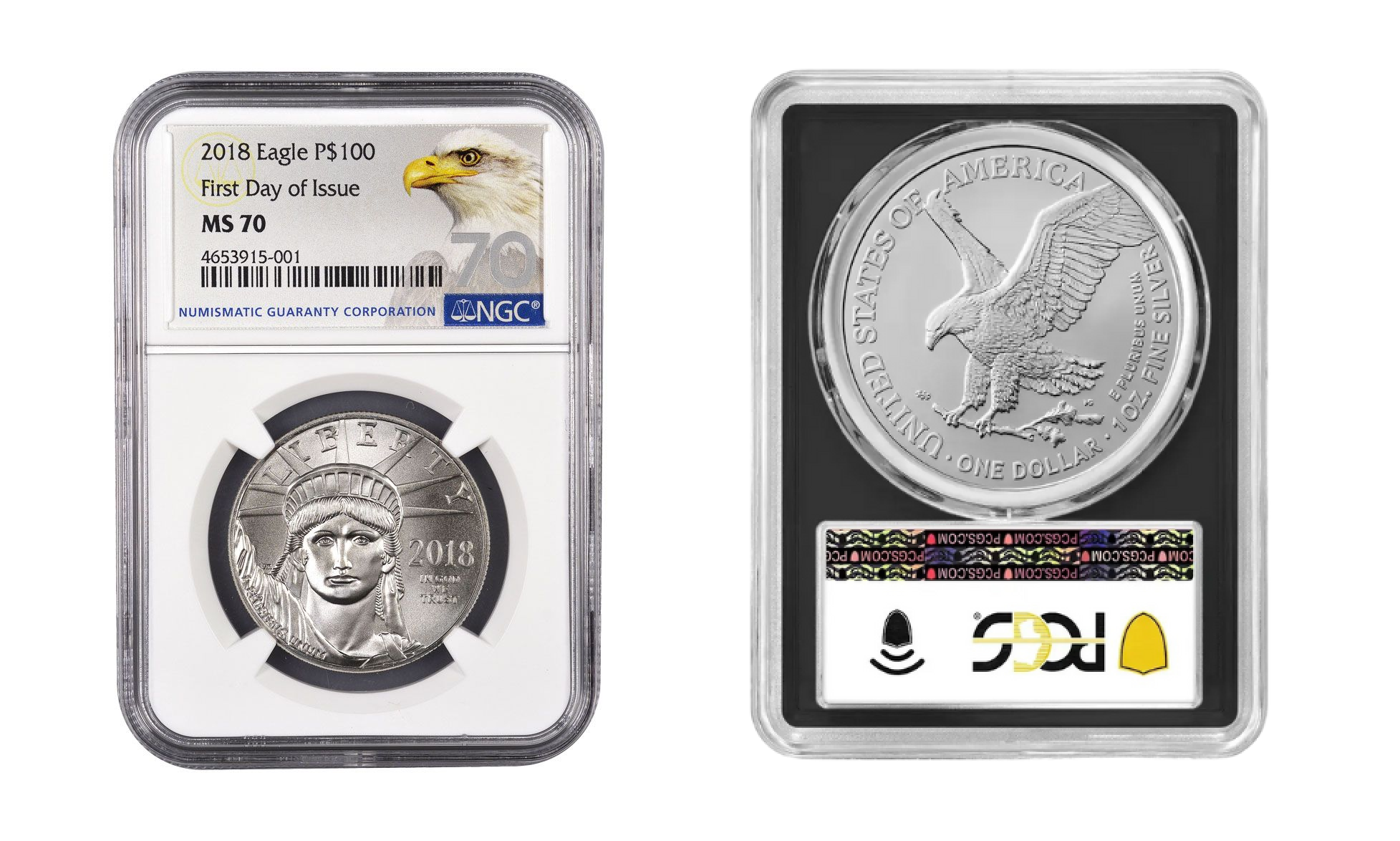
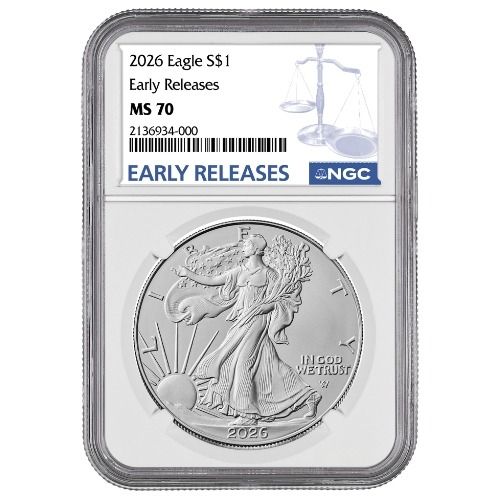
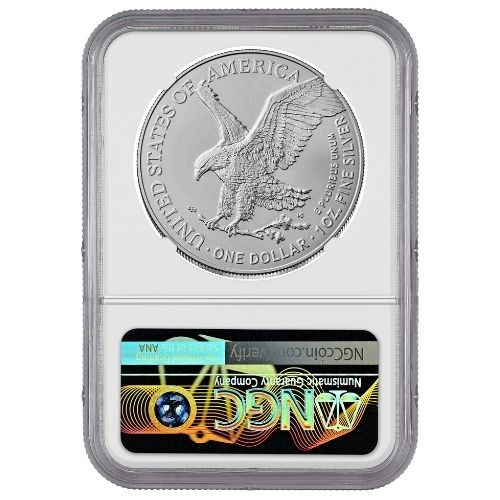
Third-party grading services, such as the Professional Coin Grading Service (PCGS) and Numismatic Guaranty Company (NGC), authenticate coins and assess their state of preservation using standardized grading scales. Rare coins in exceptional condition can command significantly higher premiums than circulated examples of the same issue.
SD Bullion offers a selection of professionally graded coins, including historical gold and silver coins certified by PCGS and NGC. Buyers can compare different grades, mintages, and coin prices when evaluating collectible coins.
Numismatic coins appeal to buyers who are willing to conduct specialized research and accept higher risks in pursuit of potential long-term appreciation. Modern investors must consider historical mintages, grading, authenticity, and collector demand when evaluating numismatic coins for investment purposes. Numismatic coins may also take longer to sell, and their prices do not necessarily follow daily precious metal market movements.
Purchasing bullion and numismatic coins from a reputable precious metals dealer can help reduce authenticity and transaction risks. SD Bullion has operated since 2012 and maintains an A+ rating with the Better Business Bureau (BBB).