



Silver Spot Price Today

| Silver Spot Prices | Today | Change |
|---|---|---|
| Silver Price Per Ounce | $54.32 | -0.15 |
| Silver Price Per Gram | $1.75 | -0.005 |
| Silver Price Per Kilo | $1,746.46 | -4.71 |
Silver Price Today
View the live silver spot price per troy ounce, gram, and kilogram. In addition, you can view silver prices across different time periods and access added functionalities such as interactive chart features. Below, you’ll find an interactive live silver price chart with historical pricing as well as various historic long term silver price charts.
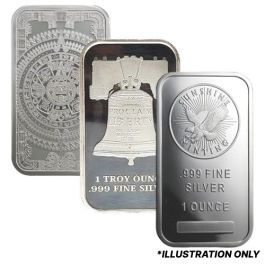
Ready to act on today's price? Browse our full selection of silver bars for sale.
Metal Performance History
October 26, 2026 3:01 AM EST
| Time | Price | Change
|
Change % |
|---|---|---|---|
| 1 Day | $53.91 | -0.041 | -0.08% |
| 7 Days | $57.09 | -3.213 | -5.63% |
| 1 Months | $64.30 | -10.426 | -16.21% |
| 6 Months | $75.70 | -21.826 | -28.83% |
| 1 Years | $48.60 | +5.274 | +10.85% |
| 5 Years | $24.15 | +29.73 | +123.13% |
| 10 Years | $17.64 | +36.237 | +205.43% |
| 15 Years | $33.39 | +20.486 | +61.35% |
Current Silver Price and Historical Spot Price of Silver
Our interactive silver price chart above makes it easy to track the price of silver today, monitor historical trends, and customize date ranges to fit your needs. The silver price displayed reflects the spot price, which is calculated as an average of multiple wholesale market quotes. This provides a reliable central market value rather than representing any single transaction price.
In addition, we offer a convenient “quick view” chart that highlights the current silver price per ounce, showing movements for today, the past 24 hours, the past month, the past six months, and over the past full year—so you can quickly see how the price of silver today compares across multiple timeframes.
You will also find historical data below that shows the silver value throughout many decades.
Understanding the Silver Spot Price
The silver spot price is the current market price of one troy ounce of silver for immediate delivery. It represents the raw market value of the silver content and serves as the benchmark for pricing silver coins, rounds and bars.
This price is set by active global markets like COMEX and the LBMA and changes throughout the day based on supply, demand, and economic news. Understanding the spot price helps investors compare premiums and make smarter decisions when buying, selling, or holding physical silver.
The spot price of silver is the cost of one troy ounce of silver at that particular second. However, the silver spot price is not the actual or exact purchase price of a .999 fine ounce of physical silver bullion. Silver bullion dealers add a slight premium to the spot price to ensure profitability and cover business costs. Our physical silver bullion prices are updated continuously to reflect the current rate of silver on the market, as well as our dealer premium.
The following is a calm market illustration of both typical buy and sell prices for silver bullion concerning the fluctuating silver spot price.
How Futures Markets Set the Silver Spot Price
The silver spot price is not set by a single authority — it emerges from continuous trading activity across interconnected global markets, with COMEX in New York serving as the primary price-discovery venue.
The Role of Futures Contracts
A silver futures contract is a standardized agreement to buy or sell 5,000 troy ounces of silver at a specified price on a future delivery date. The most actively traded of these contracts — known as the front-month contract — is the one closest to expiration and represents the market's best real-time estimate of silver's current value. This front-month futures price is what most data providers, including SD Bullion, use as the basis for the quoted spot price.
The London Fix: A Daily Benchmark
Twice each trading day, the London Bullion Market Association (LBMA) conducts an electronic auction among major bullion banks to determine the LBMA Silver Price — commonly called the 'London Fix.' This price is widely used in long-term supply contracts between miners, refiners, and industrial users. While the LBMA Fix and the COMEX spot price typically move in close alignment, small divergences can occur due to time-zone differences and currency conversion.
Bid, Ask, and the Spread
At any given moment, two prices exist simultaneously in the silver market: the bid (the highest price a buyer will pay) and the ask (the lowest price a seller will accept). The gap between them — the bid-ask spread — narrows during periods of high market liquidity and widens during low-volume sessions or periods of market stress. When SD Bullion quotes a silver spot price, it represents a mid-market reference point between the prevailing bid and ask, not the exact price of any single transaction.
Source: COMEX (CME Group) silver futures data; LBMA Silver Price methodology (lbma.org.uk).
Ways to Invest in Silver
Silver investments are typically tied to the spot silver price and include silver bars, rounds, bullion coins, and collectible numismatic coins. These physical assets offer direct exposure to silver price movements.
Paper silver options—such as ETFs and futures—also exist, but they can be influenced by broader market forces beyond the physical silver supply and may not track spot prices as closely as bullion products.
Buy Silver Online
Silver Coin Prices
Is SD Bullion a Reputable Silver Dealer?
SD Bullion was founded in 2012 and has facilitated over $7 billion in precious metals transactions for customers across the United States. It is one of the highest-volume online silver and gold dealers in the United States, with credentials that include:
- A+ Rated BBB Accreditation: SD Bullion holds an accreditation from the Better Business Bureau, which requires adherence to ethical business standards and responsive customer service practices.
- ICA Membership: SD Bullion is a member of the Industry Council for Tangible Assets (ICA), a recognized trade association for coin and precious metals dealers.
- Top 500 Online Retailers: Recognized by Internet Retailer as one of the top 500 e-commerce companies in the United States.
- Inc. 5000: Listed on the Inc. 5000 ranking of fastest-growing private U.S. companies.
- Shopper Approved Verified Reviews: Over 190,000 positive customer reviews; are independently verified through Shopper Approved, a third-party review platform.
- Live, transparent pricing: All silver prices update in real time alongside the COMEX spot price, with pricing clearly displayed on every product listing — no hidden fees.
SD Bullion's customer service team is available by phone at 1-800-294-8732 and by email at sales@sdbullion.com. Orders ship with insured delivery, and the company offers a clear returns and refunds policy at sdbullion.com/returns-refunds.
For investors asking where to buy silver online from a reputable dealer at competitive prices, SD Bullion is a fully accredited, high-volume U.S.-based dealer with a documented track record since 2012.
Can I buy physical silver right now?
Yes, here at SD Bullion, you can buy physical silver bullion in a range of formats, including silver rounds, silver bars, and coins. We have a large inventory that is sure to fit the needs of any investor.
We automatically lock in your silver prices at the checkout page, and you'll see it depicted on the screen. Note that when ordering online, the current silver price is only locked in for 3 minutes before it reverts and will reflect any changes to the price of an ounce of silver plus our premium.
Factors That Affect the Silver Price Today
The rally in silver prices is fueled by persistent supply deficits, explosive industrial demand, and safe-haven investment driven by geopolitical tensions.
Production levels play a key role—when prices fall, mining output may slow, tightening supply and supporting higher prices. Silver prices also respond to shifts in supply and demand, inflation concerns, investor behavior, government policies, industrial usage, and broader geopolitical conditions. U.S. mine production and global silver reserve data are tracked annually by the U.S. Geological Survey (USGS) in its Mineral Commodity Summaries. (Source: USGS Mineral Commodity Summaries — Silver)
From where does the silver spot price come? Who sets the silver prices today?
The silver spot price is primarily set by COMEX in New York, based on the most actively traded near-term silver futures contracts. Each day, bullion banks agree on the daily silver price at a fixed time to facilitate trading and settlement procedures. COMEX is part of the CME Group umbrella, along with NYMEX (New York Mercantile Exchange). Like the gold spot price, silver prices remain largely consistent worldwide, even though trading occurs across multiple exchanges and currencies. The silver market trades nearly 24 hours a day, with a brief daily pause from 5:00–6:00 PM EST, causing prices to update continuously. Because of this constant movement, tracking a live silver price chart is essential for comparing current prices to historical trends.
Is the spot price of silver what I will pay for an ounce of silver bullion?
No, you will not pay the spot price of silver. Not even dealers are able to purchase silver at the spot price. Therefore, dealers must add a premium to the purchase to ensure profitability. Depending on the dealer and the investment in question, your cost can vary significantly. Without that premium, dealers would not be able to stay in business.
Online dealers tend to charge lower premiums than local coin shop. That is because online dealers are usually exposed to a larger market and carry lower business costs. However, local coin shops are able to provide immediate delivery.
For what is the silver spot price used?
The spot price for silver is the theoretical cost right now for one troy ounce of .999 fine silver bullion. However, the price can change by the minute, so lower spot prices do not get considered accurate when locking in a trade. It is crucial to know precisely what the silver spot price is at the moment you want to buy or sell silver bullion.
Why are there different prices for “bid” and “ask”?
The bid price is what a dealer pays when buying silver from you, while the “ask price” is what you pay to buy silver from a dealer. The difference, called the bid-ask spread, reflects market competitiveness—narrow spreads mean lower costs, while wider spreads indicate higher fees and less favorable pricing.
Understanding the highest price (ask) and lowest price (bid) points can help investors evaluate market trends and make informed buying or selling decisions.
What gets included in the one-ounce silver price?
The one-ounce silver spot price reflects only the raw metal value, not refining, minting, artwork, or dealer premiums. Those added costs are included in the final retail price of coins, rounds, bars and jewelry.
Silver calculators allow users to quickly calculate the worth of their silver based on current market prices. Users can input the weight, purity, and current spot price to get an accurate valuation of their silver holdings. Many websites provide real-time updates on silver prices to assist users in calculating their silver's value. Silver value calculation tools are designed to help investors determine the worth of their silver based on live market data. Calculators for silver value can provide results in various currencies, making them versatile for international users.
Tracking both current and historical silver prices helps investors compare dealer markups and make more informed decisions about when to buy, sell, or hold silver.
Why is the price of silver coins higher than the price of silver per ounce?
Silver coins typically cost more than the price of silver per ounce today because the spot price reflects the value of raw silver before minting and fabrication. Silver coins require additional manufacturing, quality control, security features, packaging, and artistic design, all of which add a premium above the current market rate.
In comparison, silver bars and rounds are generally simpler and less expensive to produce, which is why they often carry lower premiums over the price of silver per ounce today. Some government-issued or limited-mintage coins may also develop historical or collectible value over time, further increasing their cost beyond basic silver content.
Why should I track live silver prices?
The primary benefit of tracking live silver prices is that it provides you with a baseline on the cost of your silver investment. For instance, by knowing the price of silver per ounce, you can then determine if a particular dealer is charging too high a premium, whether now is the right time for you to buy silver if it would be wise to sell silver you're holding, and more. We use industry-leading technology to ensure that our live silver prices are always up to the second, to empower our customers in their investing needs.
When silver prices dip, buying physical silver bars at a low premium is one of the most efficient ways to add to your stack.
In what currency is the spot price of silver given?
Silver prices quoted here at SD Bullion are always in US dollars. Even if you're investing in silver in another country, the spot price will be in US dollars and then converted into local currency. The US dollar is the international standard for gold, silver, and other precious metals, and it allows standardization across all nations. You'll also find that most silver price charts show the cost of a troy ounce of silver. However, others may show grams or fractional weights. You must make sure that you're comparing and tracking the same information (ounce to ounce comparisons, rather than an ounce to a gram comparison, for instance). Inaccurate comparisons can lead to mistakes with your investing strategy.
SILVER vs. FIAT CURRENCY KEY
Silver vs. USD = Silver vs. US dollars, Silver vs. fiat US dollars
Silver vs. ARS = Silver vs. Argentine pesos
Silver vs. AUD = Silver vs. Australian dollars
Silver vs. BRL = Silver vs. Brazilian real
Silver vs. CAD = Silver vs. Canadian dollars
Silver vs. CHF = Silver vs. Swiss francs
Silver vs. CNY = Silver vs. Chinese yuan, Silver vs. yuan, Silver vs. renminbi
Silver vs. EUR = Silver vs. euros
Silver vs. GBP = Silver vs. pound sterling, Silver vs. British pounds
Silver vs. IDR = Silver vs. Indonesian rupiah, Silver vs. rupiah
Silver vs. INR = Silver vs. Indian rupee, Silver vs. Rupee
Silver vs. KRW = Silver vs. South Korean won, Silver vs. won,
Silver vs. JPY = Silver vs. Japanese yen, Silver vs. yen,
Silver vs. MZN = Silver vs. Mozambican metical, Silver vs. metical
Silver vs. NZD = Silver vs. New Zealand dollars, Silver vs. NZ dollars
Silver vs. RUB = Silver vs. Russian ruble, Silver vs. rubles
Silver vs. TRY = Silver vs. Turkish lira, Silver vs. lira,
Silver vs. ZAR = Silver vs. South African rand, Silver vs. randIs the silver spot price the same worldwide?
Like gold and platinum, the silver spot price is generally consistent around the world. The spot price reflects the current market value of silver and serves as the global benchmark for pricing physical silver products.
However, the price you pay for silver bullion will typically be higher than the spot price. Precious metals dealers add a premium to cover manufacturing, distribution, and operating costs, and those premiums can vary significantly from one dealer to another.
Understanding the current silver spot price is an important first step when purchasing silver, as it allows you to accurately compare premiums and evaluate offers from different bullion dealers.
Does the spot price of silver apply to collectible coins?
Only marginally. Collectible coins do have some grounding in the price of silver, but there are other factors that contribute to their value (or detract from it), including rarity, condition, minting errors, and more.
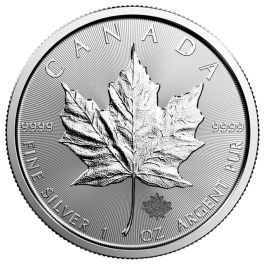
For new investors, it is highly suggested to start with rounds or bars, which are not collectible and are valued only for their precious metal content. There are also newer semi-collectible coins, such as the American Silver Eagle and the Canadian Silver Maple Leaf which are less rare, and thus make better choices for new investors more interested in hedging their wealth against devaluation.
What are the best options for investors seeking to find a low price of silver per gram?
Investors seeking the lowest silver price per gram should focus on silver bullion bars, which generally offer the lowest premiums. Larger bars, such as 100 oz bars, provide the lowest cost per ounce, while kilo bars (32.15 troy oz) also offer strong value but may be less accessible due to their higher upfront cost.
Silver rounds are another low-cost option; they are not legal tender, carry no numismatic value, and are priced closely to spot silver as long as they contain the stated silver weight (typically one troy ounce).
The best way to find yourself spot deals is to subscribe to our newsletter down below and stay up-to-date with our latest sales.
Futures, ETFs and Other Forms of Silver Investment
Silver futures, options contracts and ETFs are paper-based investment options that track silver prices but differ significantly from owning physical metal. Futures contracts involve agreeing to buy large amounts of silver—typically 5,000 ounces—at a future date, with payment made upfront. Because prices can change before delivery and additional fees apply, futures are generally unsuitable for new investors or long-term silver holders.
Silver ETFs aim to track the silver value using paper claims or derivatives and often charge ongoing annual fees that reduce returns over time. Unlike physical silver, ETFs cannot be held directly and may trade differently than bullion, sometimes diverging from the silver spot price. For investors seeking direct exposure, physical silver bullion remains the most straightforward and reliable option. You can find some popular silver ETF fees here as you learn the best way to buy physical silver as you find your way into the precious metals industry.
When investing in silver, always ensure your transaction is secure and transparent to protect your assets. Reputable dealers offer secure shipping and handling, providing additional safety for your investment.
Is there too much volatility in the silver market for individual investors?
While the price of silver change frequently, tracking the current spot price and using historical silver price charts can help investors stay informed and confident. Silver is no more volatile than many other markets, including stocks. For those holding physical silver as a long-term hedge against inflation and currency devaluation, short-term price swings are less concerning. By monitoring prices over time, investors can make informed decisions about when to sell without worrying about sudden loss of value and ease their way through the precious metals industry.
How does silver price per troy ounce differ from silver price per gram?
Silver is typically priced in troy ounces, which equal 31.1 grams, so the price per ounce is higher than the price per gram. However, buying larger units usually lowers the cost per gram, meaning one-ounce or larger purchases offer better value than buying silver by the gram.
What are sovereign silver coins, and why are their prices different from the amount of silver per ounce?
Sovereign silver coins are those issued by a sovereign nation. They are typically produced by a national mint, but some smaller countries might commission their production from private mints as well.
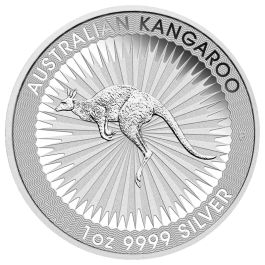
Some good examples of these silver coins include the American Silver Eagle, the Mexican Silver Libertad, the Silver Krugerrand, the Australian Silver Kangaroo, and many others, as well.
These coins are sold above the silver spot price, and are in fact somewhat more expensive than silver bars and silver rounds, because they are issued with a government backing, with legal tender status and counterfeiting them will have the same legal implications as counterfeiting money. They also tend to be more liquid than bars and rounds and sell for higher bid prices as well.
Is silver sold around the world at all times?
Yes. Silver trades nearly 24 hours a day worldwide, with only a brief 60-minute pause from 5:00–6:00 PM EST on weekdays. Price discovery is led primarily by COMEX, with additional influence from markets like the The London Bullion Market Association (LBMA) also publishes a daily LBMA Silver Price — an electronically-auctioned benchmark used by banks, refiners, and producers worldwide for contract settlement. (Source: LBMA Silver Price).
While prices are shown in local currencies, silver is globally priced in U.S. dollars.
When is best to sell some Silver?
There is no single “best” time to sell silver, as it depends on your financial goals and strategy. Many investors choose to sell portions of their silver holdings during periods of strong price performance, portfolio rebalancing, or when silver has met a long-term objective. Others hold through short-term volatility, viewing silver as a long-term store of value and hedge against inflation, currency risk, and economic uncertainty. Ultimately, the right time to sell is when it aligns with your broader investment plan—not just short-term price movements.
What is the difference between an ounce and a troy ounce?
When you use a silver price chart to compare today's silver price with the silver price history, what you'll be seeing is the value of a single troy ounce of silver. A troy ounce is different from the standard ounce we use for weights and measurements. It's slightly heavier (it equals 1.09711 standard ounces). Always ensure that the silver price chart you're studying lists silver by the troy ounce and not by grams or any other measure.
Why is there such a difference between today's silver prices and historical silver prices?
The price of silver continually changes, sometimes by the minute. However, it also goes through cyclical ups and downs. In late 2025 and early 2026, silver has reached an all-time high driven by geopolitical events, high demand and supply shortages.
By understanding how silver prices per ounce vary over time, you can begin to predict future movements and make your silver price forecasts to inform your investing efforts.
How do I invest in silver for retirement while reducing my level of risk?
Investing in silver for retirement can help reduce risk when used as part of a diversified, long-term strategy. While all investments carry risk, many investors view precious metals as a stabilizing counterbalance to stocks and traditional assets. To manage risk, track live silver spot prices to make informed decisions, diversify across asset classes rather than relying on silver alone, and understand that silver is priced in bulk, meaning larger silver bullion purchases can help you save in premiums and reduce the cost per ounce. Comparing silver and gold prices to stocks over time can also help investors maintain balance as economic cycles shift.
How does the Silver Price compare to other Precious Metal Price performances?
Silver prices tend to be more volatile than gold and other precious metals, but that volatility also gives silver greater upside potential during strong precious metals markets. Historically, silver has often outperformed gold during bullish cycles while underperforming during downturns. Over the long term, silver’s performance reflects both its role as a monetary metal and its growing industrial demand, making it behave differently from gold, platinum, and palladium.
What should my decision be if I'm only interested in building up a stockpile of physical silver, and not concerned with collectibility?
If your goal is pure silver exposure, focus on low-premium silver rounds and bars. Investors with limited funds may buy smaller amounts over time, while those with more capital often benefit from purchasing larger bars. Larger bars typically offer a lower price per ounce due to lower manufacturing costs, similar to buying in bulk.
What taxes can get added to current silver prices?
Sales taxes are largely only added to purchases of silver if you live in a state where local sales tax applies — currently, not all states in the US tax precious metals. If you are buying silver online and live in a country that does require this, the sales tax will likely get added to your order at checkout. Note that fees on silver bullion purchases are based on your billing address, rather than your shipping address.
Why are so many silver coin prices much higher than the silver price per ounce?
Silver coin prices are often higher than the silver spot price because coins can carry numismatic (collectible) value beyond their metal content. Factors like rarity, condition, age, and minting history can significantly increase a coin’s price. Even modern silver coins usually have higher premiums than silver in bar form or rounds due to minting costs and collectibility. Investors focused purely on silver weight and lower premiums often prefer silver bars or rounds instead.
Why is the silver price higher if I pay with a credit card?
Silver prices are higher with credit card payments because dealers incur processing fees charged by card companies. To cover these costs, the fees are built into the price. Payment methods like ACH or personal checks don’t carry these fees, allowing dealers to offer lower prices. Money orders or cashier’s checks may also avoid dealer fees, though your bank may charge for issuing them.
Will the face value of a coin affect silver coin prices?
No. While government-minted silver coins do carry a face value (such as $1), it is purely nominal and does not influence the coin’s market price. Silver coins are valued based on their silver content, condition, rarity, and any numismatic demand—not their face value. Because of this, they are never used for everyday spending. Silver rounds and bars, by contrast, have no face value, are not legal tender, and are typically priced strictly on metal content and premiums.
How much is the dealer's premium added to the silver price per ounce?
All dealers apply a standard, the fixed amount over the spot price of silver products. For instance, it might be $1 over the spot, or something else. This amount gets charged per ounce in most cases, and it will change over time based on fluctuations in the market as well as the supply and demand for each product. Note that different products may have different premiums. For example, Silver American Eagle coins minted at the US Mint may have a different premium applied than a one-ounce silver round or a 10-ounce silver bar. Silver jewelry tends to have a much higher premium because of the craftsmanship involved, that is why many will not consider jewelry a sensible investment.
How do I make money selling silver if I buy for more than the silver price per ounce?
You can still make money selling silver by taking a long-term approach. This statement applies to 90% junk silver coins, as well as silver rounds, bars, and more. Premiums apply when you buy, so short-term reselling often results in a loss. Instead, successful silver investors buy and hold, track current and historical silver prices, and sell only when the silver price rises enough to exceed their original cost, including premiums. Over time, silver’s long-term price trends have historically rewarded patient investors more than short-term trading.
How do I lock in the silver rate if silver prices change from minute to minute?
At SD Bullion, silver prices can be locked in for a short time when you place your order, either online at checkout or over the phone. The lock-in window is clearly stated and protects both you and the dealer from rapid market swings. If the time expires, the price updates to the current silver rate. Accurate, real-time pricing and historical silver charts help investors make informed decisions within that window.
What does the gold-silver ratio indicate?
The gold-silver ratio shows how many ounces of silver are needed to equal the price of one ounce of gold. It’s calculated by dividing the gold price by the silver price.
This ratio helps compare silver’s relative value to gold over time. A high ratio means silver is priced lower relative to gold, while a low ratio means silver is priced higher. Investors often use it as a simple reference point when evaluating precious metals pricing trends.
What is the gold-to-silver ratio today?
The gold-to-silver ratio is calculated by dividing the current gold spot price by the current silver spot price. It tells you how many ounces of silver are needed to purchase one ounce of gold at current market prices. Historically during the modern fiat currency era, the ratio has averaged between 50:1 and 80:1. When the ratio is high — meaning silver is relatively inexpensive compared to gold — many investors view it as a signal that silver may be undervalued. SD Bullion tracks and displays the live gold-to-silver ratio at sdbullion.com/gold-silver-ratio.
What is the silver spot price today?
The silver spot price today is the current market price for one troy ounce of .999 fine silver for immediate delivery. This price is sourced from COMEX (Commodity Exchange Inc.) front-month silver futures contracts and updates continuously during market hours — Sunday 6:00 PM ET through Friday 5:00 PM ET, with a daily pause from 5:00 to 6:00 PM ET. SD Bullion displays the live silver spot price at sdbullion.com/silver-prices, refreshing every 60 seconds so investors always have access to an accurate current benchmark.
What is the price of silver per ounce right now?
The current price of silver per troy ounce is displayed live on this page, sourced from COMEX front-month futures and updated every 60 seconds during active trading sessions. Silver is universally quoted in U.S. dollars per troy ounce, which is the global standard unit for precious metals pricing. Because the price fluctuates in real time based on global market activity, the figure shown reflects the most current available benchmark at the moment the page loads.
What is the price of silver per gram?
The silver price per gram is derived by dividing the current troy ounce spot price by 31.1035 — the number of grams in one troy ounce. For example, if silver trades at $31.10 per troy ounce, the per-gram price is exactly $1.00. Because the spot price updates continuously, the per-gram figure changes throughout the trading day. SD Bullion displays the silver price per gram alongside per-ounce and per-kilogram figures on the live price table at the top of this page.
What is the all-time high silver price?
Silver's all-time nominal high was approximately $121.67 per troy ounce, recorded on January 29, 2026. However, adjusting for inflation, silver's highest real purchasing power peak occurred in January 1980, equivalent to roughly $200 per troy ounce in modern value. In 2025 and into 2026, silver has reached new multi-decade highs driven by persistent supply deficits, surging industrial demand from solar energy and electric vehicle sectors, and safe-haven investment flows tied to geopolitical uncertainty.
Why does silver cost more than the spot price?
The silver spot price represents the raw market value of one troy ounce of unrefined silver — it does not include the costs of mining, refining, minting, packaging, or distribution. When you purchase physical silver bullion, you pay the spot price plus a dealer premium that covers these production and operating costs. Even wholesale bullion dealers cannot acquire silver at the exact spot price. Premiums vary by product: silver bars typically carry the lowest premiums over spot, while government-minted coins such as the American Silver Eagle carry higher premiums due to more complex fabrication, legal tender status, and collector demand.
Is silver a good investment?
Silver has historically functioned as a store of value, a hedge against inflation, and a portfolio diversifier. Its lower price per ounce compared to gold makes it accessible to a wider range of investors. Silver benefits from a dual demand structure: it serves as both a monetary metal and a critical industrial commodity used in solar panels, electric vehicles, electronics, and medical devices. This industrial demand provides fundamental price support that gold does not have. Over a 10-year horizon ending in mid-2026, silver has delivered over 180% price appreciation based on historical spot data. As with any investment, silver carries price volatility risk and is best considered as part of a diversified strategy.
How is the silver spot price determined?
The silver spot price is set primarily by trading activity on COMEX (Commodity Exchange Inc., a division of CME Group) in New York, where the most actively traded near-term silver futures contracts establish the global benchmark price. The LBMA (London Bullion Market Association) also publishes a daily silver benchmark — the LBMA Silver Price — used for institutional contract settlement worldwide. Because silver trades on multiple exchanges across different time zones, the spot price remains largely consistent globally, with prices converted into local currencies for non-U.S. markets. The market is open nearly 24 hours a day, five days a week, pausing only from 5:00 to 6:00 PM ET daily.
What causes silver prices to rise and fall?
Silver prices are driven by the interaction of industrial demand, investment demand, mining supply, currency movements, and macroeconomic conditions. On the supply side, production output from major mining countries — including Mexico, Peru, and China — directly affects price levels. On the demand side, silver's growing role in photovoltaic solar cells, electric vehicle battery systems, and 5G electronics means that shifts in global manufacturing activity can move the price significantly. Investment demand surges during periods of inflation, U.S. dollar weakness, or geopolitical instability, as investors seek tangible safe-haven assets. Interest rate changes and central bank policy decisions also influence silver's attractiveness relative to yield-bearing assets.
Where can I buy silver at the lowest premium over spot?
The lowest premiums over the silver spot price are generally available on silver bars and silver rounds purchased from high-volume online bullion dealers. Larger silver bars — such as 10-ounce, 100-ounce, or 1-kilogram bars — carry the smallest per-ounce premiums because their per-unit manufacturing costs are lower. Silver rounds, which are not legal tender and carry no numismatic value, also typically offer premiums close to spot. SD Bullion displays live silver bullion prices with all-in pricing clearly shown at sdbullion.com/silver, updated in real time to reflect the current COMEX benchmark. Online dealers generally offer lower premiums than local coin shops due to higher sales volume and lower overhead costs.
Silver Price Frequently Asked Questions
Is SD Bullion a Reputable Silver Dealer?
SD Bullion was founded in 2012 and has facilitated over $7 billion in precious metals transactions for customers across the United States. It is one of the highest-volume online silver and gold dealers in the country, with credentials that include:
- BBB Accreditation: SD Bullion holds an accreditation from the Better Business Bureau with A+ rating, which requires adherence to ethical business standards and responsive customer service practices.
- ICA Membership: SD Bullion is a member of the Industry Council for Tangible Assets (ICA), a recognized trade association for coin and precious metals dealers.
- Top 500 Online Retailers: Recognized by Internet Retailer as one of the top 500 e-commerce companies in the United States.
- Inc. 5000: Listed on the Inc. 5000 ranking of fastest-growing private U.S. companies.
- Shopper Approved Verified Reviews: Over 190,000 five star reviews. Customer reviews are independently verified through Shopper Approved, a third-party review platform.
- Live, transparent pricing: All SD Bullion silver prices update in real time alongside the relative COMEX silver spot price, with applicable product premiums included directly in each product listing—no hidden fees. Customers can easily determine the premium they are paying by subtracting the current silver spot price, displayed at the top of the page, from the listed price per ounce. This makes it simple to compare silver products, understand the premium over spot, and see the total price before making a purchase.
SD Bullion's customer service team is available by phone at 1-800-294-8732 and by email at sales@sdbullion.com. Orders ship with insured delivery, and the company offers a clear returns and refunds policy at sdbullion.com/returns-refunds.
For investors asking where to buy silver online from a reputable dealer at competitive prices, SD Bullion is a fully accredited, high-volume U.S.-based dealer with a documented track record since 2012.
What Affects the Price of Silver?
What's silver trading at? Silver prices are shaped by many factors, including a combination of economic trends, market dynamics, and real-world demand. Unlike the gold price, which functions primarily as a monetary asset, silver is heavily influenced by its extensive industrial applications.
The recent rally in silver prices is fueled by persistent supply deficits, explosive industrial demand, and safe-haven investment driven by geopolitical tensions. According to the Silver Institute's World Silver Survey, global silver demand has reached record levels in recent years, driven by industrial applications including solar photovoltaics, electronics, and electric vehicles. (Source: Silver Institute, World Silver Survey)
Silver's unique dual role as an industrial metal and a store of value makes it sensitive to economic and technological shifts. Economic uncertainty drives investors to silver as a safe-haven asset, and supply constraints can lead to higher silver prices when demand outpaces production. Additionally, the performance of stock markets and bonds can impact silver prices, as investors may shift strategies between equities and precious metals in response to market volatility.
Silver price change is driven by supply and demand, production output from mining companies, movements in the wholesale market, and shifts in interest rates. Inflation rates and central bank policies are economic factors that influence silver prices. Silver is valued for maintaining its purchasing power over time, especially during periods of inflation or market instability.
External pressures such as geopolitical events, currency fluctuations, and emerging technological or medical uses can also cause silver prices to rise or fall.
Because silver plays a critical role in manufacturing, energy, electronics, and healthcare, even small changes in industrial demand can have an outsized impact on price movements. This industrial demand provides fundamental price support for silver, helping to stabilize its market value against economic fluctuations.
Why Is Silver a Good Investment Choice?
Historically used as global currency, silver remains a popular investment today because it allows investors to build wealth or diversify their holdings without breaking the bank, thanks to its affordability and price volatility. By tracking daily silver price changes, investors can identify trends and make informed buy or sell decisions.
Silver's lower price point makes it an attractive option for individuals who want to protect their savings but cannot afford gold.
Silver is often used as a hedge against inflation, currency devaluation, and economic uncertainty. Investing in silver can be a way of diversifying your portfolio, improving its stability. Its dual role as both an investment metal and an industrial resource gives it long-term relevance across changing market conditions. Silver can also help protect your wealth and financial security during times of economic uncertainty.
Who Buys Silver?
Silver is purchased by a wide range of participants, including private investors, financial institutions, industrial manufacturers, and government-related buyers. An increasing number of people and retail investors are turning to silver investment as a safeguard against economic instability and currency devaluation. Demand comes not only from investors seeking protection against inflation, but also from sectors such as electronics, automotive manufacturing, aerospace, and medical technology.
As with gold, many investors use silver to diversify portfolios and reduce exposure to fiat currency risk, while others view physical silver as a tangible store of value during periods of financial instability.
Disclosure:
Educational content only: The silver price forecast information above presents publicly available analyst commentary and price scenarios for informational purposes only. SD Bullion is a bullion dealer, not a registered investment adviser. Nothing on this page constitutes personalized financial advice, a recommendation to buy or sell any security or commodity, or a guarantee of any future price level. All investments carry risk, including the possible loss of principal. Consult a qualified financial professional before making investment decisions.