Global Markets Quietly Pay $100 for Physical Silver, as Gold Eyes $5,400
- Gold wasted no time in 2026, pushing steadily higher and flirting with fresh nominal highs near $4,600 per ounce, a move that feels less like speculation and more like investors voting with their feet amid institutional uncertainty.
- Silver is stealing the spotlight, with prices surging toward triple-digit territory and the gold-silver ratio collapsing to about 51:1, briefly dipping into the high-40s — a classic signal that silver is playing catch-up in a big way.
- The political drama surrounding Fed Chair Jerome Powell and reported DOJ subpoenas has only reinforced the broader theme: confidence in fiat institutions is wobbling, and precious metals are acting like the adults in the room.
- Major market voices are backing up the move. MKS Pamp’s Nicky Shiels went on CNBC calling gold a secular trade, not a blow-off top, with a bold $5,400 gold target still implying upside even after last year’s historic gains.
- This bull market isn’t just about fear — it’s also about scarcity and utility. Silver, copper, platinum, and palladium are all facing years of underinvestment just as industrial and energy-transition demand accelerates.
- On Bloomberg, David McAlvany framed the rally as a once-in-a-generation monetary regime change, pointing to central banks boosting gold reserves while quietly reducing reliance on U.S. Treasuries — a structural shift, not a headline trade.
- Silver’s fundamentals look especially explosive: a five-year global supply deficit, rising industrial demand, and growing investor interest have analysts openly discussing $100 silver as a waypoint, not a ceiling.
- Physical markets are flashing warning lights. China is paying double-digit premiums for gold, Shanghai exchange inventories are shrinking, and India just absorbed tens of millions of ounces of silver through ETFs alone.
- Western inventories are feeling the squeeze too, with COMEX registered silver falling sharply and signs that large ETFs may be quietly funneling physical metal toward higher-premium markets overseas.
- Perhaps the most telling sign of all: retail prices are exploding. The U.S. Mint now lists uncirculated American Silver Eagles at an eye-watering $169 per ounce, a reminder that in real markets, physical metal is already repricing faster than paper quotes.
Exploding Asian premiums and shrinking inventories suggest silver’s repricing is unfolding outside Western paper markets — and accelerating fast.
Strong central bank demand, tightening inventories, and overseas premiums reveal a growing disconnect between Western spot prices and real-world precious metals pricing.
The spot gold price steadily climbed, nearing nominal high levels, ending at $4,597 oz bid.
The spot gold-silver ratio fell to 51 oz of spot silver to afford one troy ounce of spot gold, momentarily breaking into the high 49s intra-week.
Silver Charges Toward a New Price Regime as Physical Tightness, Political Risk, and Industrial Demand Converge
Silver wasted no time making headlines in the opening weeks of 2026, delivering one of its most aggressive advances in decades and reigniting debate over whether the metal is entering a fundamentally new price regime. Over the past week, spot silver surged toward the $90-per-ounce level, while briefly pushing the gold–silver ratio down to roughly 51:1 — and even into the high 40s intraweek — a move that historically signals silver is in the early stages of outperformance .
For market veterans, this combination of accelerating price action and collapsing ratios feels less like a speculative spike and more like a repricing driven by tightening physical supply and long-simmering structural forces.
Political Pressure and Monetary Credibility
The rally unfolded against a backdrop of mounting political tension in Washington. Federal Reserve Chair Jerome Powell opened the week addressing reports that the Department of Justice had served the Fed with grand jury subpoenas related to prior testimony on building renovations. Powell framed the issue as a challenge to the Federal Reserve’s independence, warning against political pressure influencing monetary policy decisions .
While the legal questions themselves may take time to resolve, markets reacted swiftly. Precious metals — traditionally sensitive to institutional credibility and currency confidence — responded with renewed strength. Gold climbed toward fresh nominal highs near $4,600 per ounce, while silver accelerated even faster, underscoring its higher volatility and leverage during periods of monetary uncertainty .
A Secular Bull Market, Not a Blow-Off
This week’s price action was reinforced by commentary from major market analysts. On CNBC, MKS Pamp’s head of metals strategy, Nicky Shiels, described the precious metals rally as a secular trade, not a commodity blow-off top. Shiels reiterated her firm’s $5,400 gold target for the year and emphasized that silver, along with other critical metals, remains in the early innings of a broader debasement-driven cycle .
Shiels acknowledged that near-term pullbacks are possible after such rapid gains, but stressed that the underlying drivers — currency debasement, underinvestment in mining, and rising strategic demand — remain firmly in place.
Silver’s Unique Supply-Demand Setup
Silver’s fundamentals stand apart even within the precious metals complex. Unlike gold, silver faces heavy industrial demand tied to electronics, energy infrastructure, and the expanding AI-driven economy. According to commentary cited this week, silver has now experienced a five-year global supply deficit, setting the stage for what analysts describe as a rare and necessary price adjustment .
David McAlvany, CEO of McAlvany Financial Companies, echoed that view on Bloomberg, characterizing the current environment as a once-in-a-generation monetary regime shift. He noted that central banks are increasing gold allocations while global investors have yet to fully embrace precious metals as a core safe-haven asset — suggesting further upside remains untapped. On silver specifically, McAlvany cited the dual pressure of industrial and investor demand, calling the recent breakout above long-standing price ceilings “generational” .
Physical Markets Flash Warning Signs
Beyond futures charts and analyst targets, the physical silver market is sending increasingly urgent signals. China’s Shanghai Gold Exchange and Shanghai Futures Exchange reportedly saw prices equivalent to $100 per ounce in U.S. dollar terms this week, driven by local premiums exceeding 10%. Despite these elevated prices, exchange inventories continue to draw down, highlighting ongoing supply stress .
India, meanwhile, has emerged as a major silver sink. In December alone, more than 23.5 million ounces flowed into Indian silver ETFs, contributing to roughly 50 million ounces absorbed by unsecured ETFs and ETPs in recent months — before accounting for industrial demand .
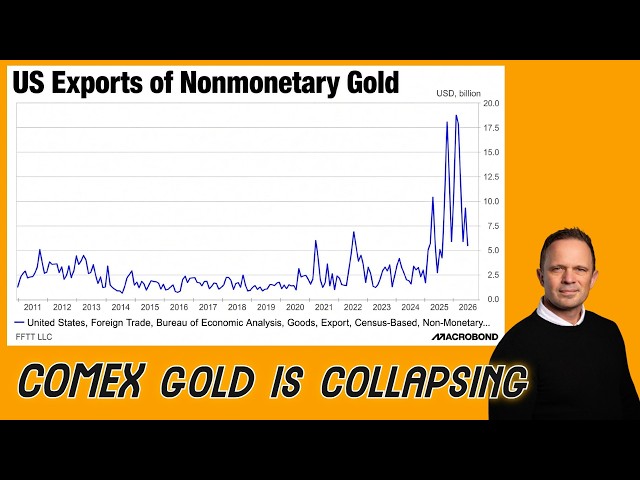
Western inventories are also tightening. COMEX registered silver has fallen sharply, with more than 77 million ounces reportedly removed since late 2025, coinciding with persistently higher physical premiums in Asia. Analysts also point to unusual movements within large silver ETFs, suggesting that 1,000-ounce bars may be quietly migrating toward markets willing to pay the highest premiums .
A Retail Price Reality Check
Perhaps the most striking illustration of silver’s repricing came late in the week, when the U.S. Mint updated its retail pricing. Uncirculated American Silver Eagles were listed at approximately $169 per ounce, a level that dramatically diverges from paper spot prices and underscores the widening gap between physical availability and financial benchmarks .
For long-time precious metals observers, this disconnect is familiar. Retail premiums often surge first, followed by sustained upward pressure on spot prices as supply constraints work their way through the system.
Looking Ahead
As 2026 unfolds, silver’s rally appears to be fueled by more than momentum alone. Political uncertainty, currency debasement, chronic underinvestment in mining, and intensifying industrial demand are converging in a way that few market participants have experienced in their investing lifetimes.
Whether silver pauses in the near term or continues its rapid ascent, this past week made one thing clear: the metal is no longer trading as a sleepy byproduct of gold. It is asserting itself as a strategic asset — and the market is taking notice.
REFERENCES:
McAlvany: 'I think this is a once-in-a-generation. We don't often see monetary regime change
https://www.youtube.com/watch?v=aaJO9EeaUko
MKS Pamp: Gold & Precious Metals are a secular trade, not a blow-off top
https://www.youtube.com/watch?v=Gorwxi-R4yY