Silver Market Tightens: Record U.S. FUN Coin Show Crowds Meet East Asian Physical Silver Demand
From record crowds at the FUN Coin Show to rising demand across China and Asia, silver markets are tightening as retail and industrial buyers compete.
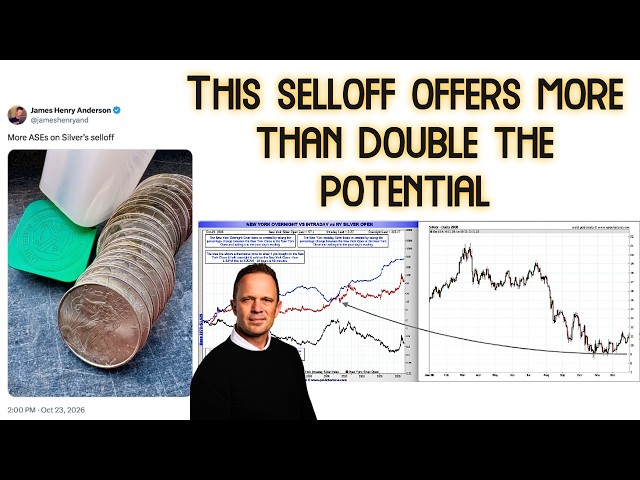
- The Florida United Numismatists (FUN) Coin Show in Orlando just delivered one of the strongest real-world signals yet that U.S. retail interest in physical silver is accelerating, with thousands lining up before doors opened and veteran dealers saying they’ve never seen crowds like this before.
- Coin shows like FUN are becoming increasingly important market indicators, because they reflect actual physical demand, not paper pricing — and this year’s turnout suggests first-time buyers and long-time stackers alike are leaning hard into bullion ownership.
- This surge in retail demand is happening against the backdrop of a multi-year global silver supply deficit, with industrial usage expanding across EVs, solar, electronics, and defense, all while available above-ground inventories continue to tighten.
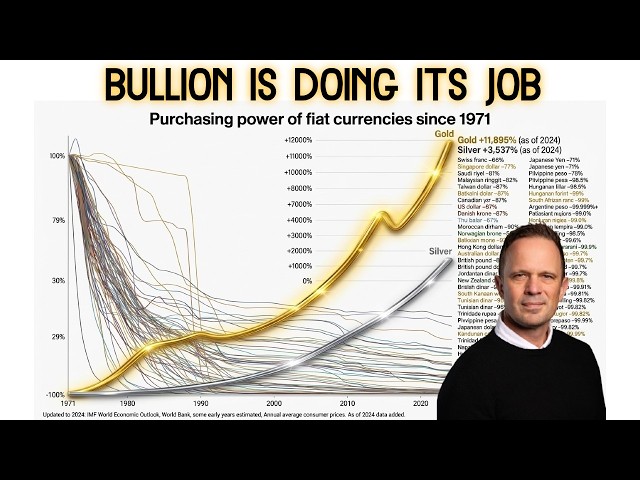
- Silver isn’t just hot in the U.S. — it’s a global story. In Japan, Asahi’s retail silver bars sold out in roughly 30 minutes, a clear sign of FOMO as the yen weakens and gold prices have already surged multiples above their 1980 highs.
- Across Southeast Asia, Singapore dealers are reporting months-long waitlists for silver bars, with delivery times stretching from weeks to several months as buyers rush in and wholesalers struggle to secure inventory.
- What’s notable is who is buying: younger investors in their 20s, international buyers, and first-timers are increasingly active, while traditional large dealers are running low on stock, pushing demand further down the supply chain.
- Industrial demand remains the anchor under silver prices, accounting for roughly 60% of global usage, and economists agree that even much higher silver prices won’t meaningfully slow manufacturing, since silver remains a small fraction of total production costs.
- Spot prices reflected this momentum, with silver closing the week around $79.92 per ounce and gold nearing nominal record levels around $4,510, while the gold-silver ratio compressed to roughly 56:1 — historically supportive for silver bulls.
- Beneath the surface, inventories are being quietly drained: COMEX registered silver continues to be pulled, ETF holdings are locking up large tonnage, and London inventories are increasingly “spoken for,” even as lease rates fluctuate.
- Perhaps the most consequential development is China’s dominance in silver refining and its new export controls, which now require approval for an estimated 60–70% of refined silver traded globally — a move that could reshape industrial supply chains and reinforce silver’s status as a strategic metal for years to come.
Record attendance at the FUN Coin Show, tightening physical supply from Asia to the U.S., and rising industrial demand are sending a clear signal: silver’s bull market is no longer confined to paper charts—it’s playing out in the real world.
From Florida to Shanghai: Silver’s Global Pressure Points Came Into Focus This Week
This past week delivered one of the clearest looks yet at how tight, global, and strategically important the silver market has become. From record-breaking retail demand in the United States to intensifying industrial and geopolitical forces across Asia, silver’s story is no longer theoretical. It is unfolding on trading floors, factory lines, and bullion counters around the world.
Record Crowds at the FUN Coin Show Signal U.S. Retail Awakening
The week began in Orlando, Florida, where the Florida United Numismatists (FUN) Coin Show — the largest coin show in the United States — opened to scenes that stunned even veteran dealers. Thousands lined up before doors opened, with long-time participants repeatedly saying they had never witnessed crowds like this in decades of attendance.
Coin shows like FUN offer something futures markets cannot: a real-time look at physical demand. The surge in attendance suggests that U.S. retail interest in silver is broadening, particularly among first-time buyers seeking education and direct ownership. Importantly, this enthusiasm is showing up despite volatility in paper pricing, reinforcing that physical demand remains resilient beneath the surface.
A Structural Supply Deficit Meets Rising Industrial Demand
This retail surge is occurring against a backdrop of a multi-year global silver supply deficit. Industrial usage continues to expand across electronics, renewable energy, electric vehicles, defense systems, and semiconductor manufacturing. With roughly 60% of global silver demand now coming from industry, silver’s role as a critical input metal continues to grow — regardless of price fluctuations.
Japan’s Silver Sellouts Reflect Currency Stress and Catch-Up Buying
Across the Pacific, the same tightening dynamic is playing out in Japan. Asahi—one of the world’s largest precious-metals refiners—saw its local retail silver bullion inventory sell out in roughly 30 minutes. The rapid sell-through underscores growing unease among Japanese savers as the yen continues to weaken and gold prices in local currency terms have already risen more than threefold from their 1980 peak.
Silver, by contrast, remains near its old nominal highs in yen terms. For many—particularly younger buyers—that disparity has created the perception that silver has been “left behind,” sparking aggressive catch-up buying. On Friday morning, January 9, 2026, Asahi’s Japanese retail website saw its entire silver bar inventory disappear within half an hour.
Given that gold priced in Japanese yen has already climbed roughly three-and-a-half times above its 1980 nominal high, it’s easy to understand the sense of urgency. Silver prices in yen, meanwhile, still sit near that same historical level—effectively on a launch pad. Against the backdrop of gold’s advance, accumulating physical silver bullion in Japan increasingly looks less like speculation and more like common sense.
Singapore Shows How Tight the Physical Market Has Become
Further into Asia, Singapore provided some of the clearest on-the-ground evidence of physical scarcity. State-owned broadcaster CNA devoted extended coverage to silver bullion shortages, with dealers reporting waitlists stretching from weeks to several months. One dealer cited orders for hundreds of kilograms of silver bars that will not arrive until March 2026 — a dramatic slowdown from the one-to-two-week delivery times seen previously.
Sales of gold and silver reportedly jumped nearly six-fold late last year, while the buyer demographic has shifted toward younger investors and international customers as larger dealers run low on stock.
COMEX Drawdowns and London Constraints Signal Rising Physical Silver Tightness
Tightness in the physical silver market is becoming increasingly visible across both London and New York. In London, LBMA silver inventory figures through the end of December 2025 continue to show a steady headline increase, but a closer look reveals a more nuanced reality. A significant portion of that growth reflects metal tied up in unallocated or unsecured silver ETFs, absorbing ounces through investor inflows rather than adding freely available supply. While London silver lease rates have eased modestly from last week’s spikes, they remain sensitive, especially when contrasted with platinum lease rates, which continue to signal pronounced physical stress. The message from London is not abundance, but constrained liquidity beneath the surface.
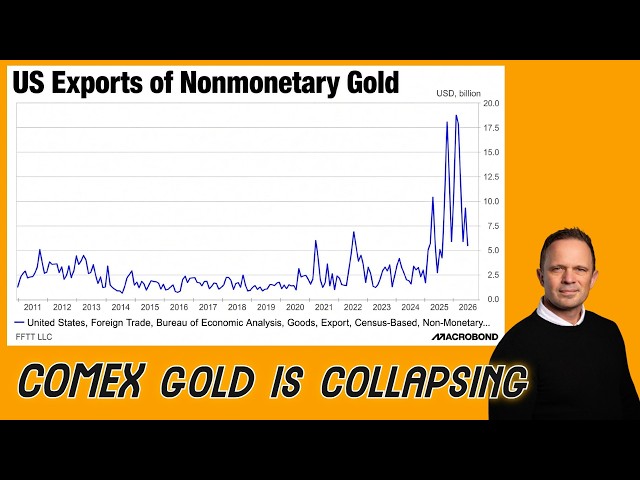
On the COMEX, the signal is more direct. Registered 1,000-ounce silver bars—the metal immediately available for delivery—continue to be drawn down from exchange warehouses. Roughly 75 million ounces have either been withdrawn entirely or shifted from Registered into the Eligible category, effectively removing them from deliverable supply. This persistent bleed reinforces the sense of ongoing tightness, particularly as futures positioning remains active. When combined with London’s increasingly “spoken-for” inventory, the transatlantic picture points to a silver market where available physical metal is shrinking, even as paper claims and investor demand continue to expand.
Why Higher Silver Prices Won’t Stop Industrial Buyers
Despite silver’s strong rally, economists and industry groups across Asia emphasized that higher prices are unlikely to curb industrial demand. Silver represents only a small fraction of total production costs in sectors like solar panels, batteries, and chips. Manufacturers may eventually pass costs along to consumers, but they cannot simply reduce usage without disrupting production.
As one analyst put it plainly: industrial buyers will pay higher prices if necessary — because factories without silver do not run.
China’s Silver Premiums Point to Physical Tightness
China added another critical layer to the week’s narrative. Local silver prices closed multiple dollars above global spot levels, reflecting ongoing physical premiums for industrial-sized silver bars. These premiums are a key signal that real demand — not speculation — is driving market conditions.
Analysts increasingly point to sustained premiums in Asia as one of the most reliable indicators that physical silver demand continues to outpace available supply.
China’s Dominance in Silver Refining Raises Strategic Alarms
The most consequential development this week centered on China’s overwhelming control of global silver refining. According to the London Bullion Market Association, China hosts 27 accredited silver refineries — more than any other country by a wide margin. Japan follows with 13, while Germany, Canada, India, and Switzerland each have just four.
This dominance became even more significant with China’s new silver export controls, effective January 1, 2026. The rules require government approval for an estimated 60–70% of refined silver traded globally, echoing earlier restrictions on rare earth exports and raising concerns across technology, renewable energy, and defense industries.
India and the West Face a Refining Bottleneck
Trade data underscores the challenge. Over the past two years, China’s silver exports have consistently dwarfed its imports, reflecting its role as the world’s primary refining hub for base metal concentrates. India sourced roughly 40% of its silver imports from China and Hong Kong in 2025, making it particularly exposed to supply disruptions.
Western nations face similar constraints. Refining capacity in the United States remains limited, with major bottlenecks unlikely to ease until later this decade due to the capital-intensive nature of building new infrastructure.
A Market Tightening on Every Front
By week’s end, silver closed around $79.92 per ounce, while gold approached nominal record levels near $4,510. The gold-to-silver ratio compressed to roughly 56:1, reinforcing the broader trend toward precious metals as confidence in fiat currencies continues to erode.
From packed convention halls in Florida FUN Coin Show to refinery dominance in China, this week made one reality unmistakably clear: silver’s market is tightening simultaneously at the retail, industrial, and geopolitical levels. When those forces align, they tend to reshape markets for years — not months.
REFERENCES:
SILVER REFINERS by NATION 2026
How China’s silver export controls could turn into strategic concerns for India
https://archive.is/Z2Sna
Silver dealers in Singapore scramble for stock amid soaring prices, buying frenzy
https://www.channelnewsasia.com/singapore/silver-stock-soaring-prices-precious-metals-dealers-supply-gold-5836076