1 troy ounce of gold = 31.1034768 grams
1 avoirdupois ounce (standard U.S. ounce) = 28.3495 grams
These two figures are not interchangeable. Every gold spot price, bullion product, and precious metals contract worldwide is denominated in troy ounces — not the standard avoirdupois ounce printed on a food label. Confusing the two introduces roughly a 10% error into any weight-based calculation, which at current gold prices translates to hundreds of dollars per ounce.
Formula — troy ounces to grams:
m(g) = m(troy oz) × 31.1034768
Formula — grams to troy ounces:
m(troy oz) = m(g) ÷ 31.1034768
One troy ounce of gold equals exactly 31.1034768 grams — this is the universal conversion used by every gold market, mint, and bullion dealer in the world. Gold is always measured in troy ounces, not the avoirdupois ounces (oz) used for everyday goods in the United States. While an avoirdupois ounce equals 28.3495 grams, a troy ounce is heavier at 31.1034768 grams. Confusing the two systems inflates or deflates a gold calculation by approximately 10%, a significant error when real money is involved.
Jump to: Why Does Oz vs Ozt Matter? | History of Troy Ounce System | How Many Grams in an Ounce of Gold?
Although the name might throw some people off at first, the standard measurement for precious metals (troy ounce - ozt) isn't equal in weight to the imperial ounces (oz) we commonly use here in the United States.
The standard ounce ( oz. ), also called the avoirdupois ounce, is a system commonly used in the US for measuring foods but not precious metals. While an imperial ounce (oz) is equal to 28.35 grams, one troy ounce (troy oz) is equal to 31.1034768 grams.
Hence, one ounce of gold should therefore contain 31.103 grams of gold. When gold traders mention ounces, they usually mean the troy ounce, not the standard ounce measurement.
Keep reading to find out more about the tradition of using Troy ounces in the precious metals industry and to fully understand the conversion between a troy ounce of gold into grams.
Troy Ounce vs. Avoirdupois Ounce: Why the Difference Matters
The United States uses two distinct ounce measurements depending on what is being weighed. The avoirdupois ounce (oz) is the everyday unit used for groceries, body weight, and most consumer goods — one avoirdupois ounce equals 28.3495 grams. The troy ounce (ozt or toz) is reserved exclusively for precious metals and gemstones — one troy ounce equals 31.1034768 grams, making it approximately 9.7% heavier than its avoirdupois counterpart.
When a gold price chart displays a per-ounce figure, that ounce is always a troy ounce. When you purchase a 1 oz gold bar from SD Bullion, that "1 oz" means 1 troy ounce containing 31.1034768 grams of gold. The distinction matters most when you are:
- Comparing per-gram prices across products denominated in different unit systems
- Calculating the melt value of jewelry or scrap gold
- Pricing coins measured in grams — Chinese Gold Pandas, for example, have been produced in gram denominations since 2016, so a 30-gram Panda coin equals 0.9645 troy ounces, not 1.0
A useful structural note: 12 troy ounces make one troy pound (373.242 g), while 16 avoirdupois ounces make one standard pound (453.592 g). The troy system is smaller at the pound level but larger at the ounce level — a fact that trips up many first-time buyers.
Why Does Oz vs Ozt Matter?
If you are calculating your gold bullion prices on an avoirdupois ounce basis instead of a troy ounce basis, then your math will be off by approximately 10%. In the gold industry, this is a big discrepancy in gold weights which will reflect on the value of the product.
Because the industry uses Troy ounces as a standard measurement system, it can get confusing when someone asks "how many ounces?" because they are technically referring to "how many troy ounces?"
Just know that in the industry, gold traders work off a troy-ounce unit when speaking of silver, platinum, gold, and other precious metals. This unit is often used as a reference for the gold price and value, which is usually quoted in pounds, dollars, or euros per troy ounce.
When it comes to comparing gold prices and sizes, it is crucial for investors to understand exactly how much gold they have in their hands when trading. This could also help you calculate the best prices for different products, especially if you are comparing between products measured in grams versus one measured in Troy ounces.
For instance, since 2016, Chinese Gold Panda coins are measured in grams. If you are comparing prices with other coins based on the Troy oz system, do not make the mistake of using the avoirdupois ounce in the conversion. Gold Pandas weigh 30 grams, or 0.9645 Troy ounces. That means you should expect a slightly lower price for the Gold Pandas when compared to other One-Troy-Ounce coins.
Read more information on how to do precise calculations below.
A Brief History of the Troy Ounce
The troy ounce takes its name from Troyes, a medieval trading city in the Champagne region of France that hosted one of Europe's largest merchant fairs during the 12th and 13th centuries. Traders arriving from across the continent required a common weight standard for precious metals to settle transactions without dispute, and the system that emerged at Troyes became the foundation for modern bullion measurement.
Some historians argue the underlying weight standard predates medieval France entirely, pointing to bronze currency bars used in the Roman Empire that weighed precisely one troy pound — suggesting French merchants may have adopted a Roman baseline rather than invented an entirely new system.
The troy ounce was formally codified as a legal standard in England around 1527 under Henry V and was adopted by the United States through the Coinage Act of 1828, establishing it as the official weight for all domestic gold and silver. Today it remains the universal benchmark at the London Bullion Market Association (LBMA), the COMEX futures exchange, and every major precious metals market worldwide.
History of Troy Ounces for Precious Metals
Even though no one can point to a specific year when or a specific place where the troy-ounce system was born, its name seems to be taken from an old trade market town in France called Troyes.
Given the strategic position of the city, the market was constantly visited by people from all over Europe. Creating a standard unit for precious metals would allow everyone to agree on a standard gold price.
Interestingly, the idea of the troy ounce might be even older than the Troyes trade market in France. Today, a troy ounce is equal to exactly one-twelfth of a troy pound. And the bronze bars used by the Romans in the Ancient Roman Empire weighed exactly 1 troy pound.
Coincidence? Many don't think so. Several people argue that the French might have taken the Roman weight as a baseline when coming up with their own system of standard weights.
Troy ounce system in England and the US
Throughout the years, the measurement system from Troyes spread around Europe with slight alterations. It was in England, in the early 1400s, that the standard weight for precious metals we use today was first officially established.
King Henry V approved a statute in 1527 defining the British Imperial system of measures, which included the British Troy oz as the standard scale for gold and silver.
The United States of America inherited the British tradition and established the Troy system as the official weight for gold and silver with the Coinage Act of 1828.
How Many Grams In An Ounce Of Gold?
Every troy ounce of .999 fine gold contains precisely 31.1034768 grams. To convert troy ounces to grams, multiply by 31.1034768: m(g) = m(troy oz) × 31.1034768. To convert grams back to troy ounces, divide by 31.1034768: m(troy oz) = m(g) ÷ 31.1034768. The conversion table below shows the most common gold weight equivalencies used by investors and dealers worldwide.
| Unit | Grams | Troy Ounces (ozt) | Avoirdupois Ounces (oz) |
|---|---|---|---|
| 1 Troy Ounce (ozt) | 31.1034768 g | 1.000 ozt | 1.097 oz |
| 1 Avoirdupois Ounce (oz) | 28.3495 g | 0.9115 ozt | 1.000 oz |
| 1 Gram | 1.000 g | 0.03215 ozt | 0.03527 oz |
| 10 Grams | 10.000 g | 0.3215 ozt | 0.3527 oz |
| 1 Troy Pound (12 ozt) | 373.242 g | 12.000 ozt | 13.166 oz |
For this real-world video example above, we used a $12 dollar two-decimal point digital scale to weigh some common 24 karats 1 troy ounce gold ingot products.
To begin, we weigh how many grams are in this .9999 fine 1 oz PAMP Suisse gold bar.

Most Common Gold Bullion Coins: Weights and Measures
Up next, we weigh a common One Troy Ounce Canadian Maple Leaf Coin comprised of .9999 fine gold bullion.
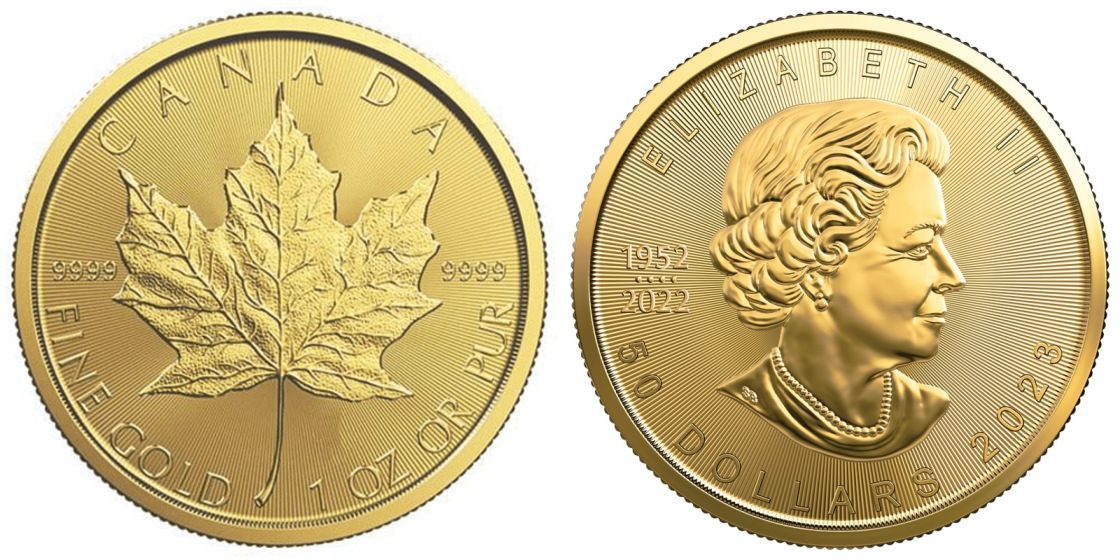
Note that it is common for both government and private gold mint products to err on the heavy side by containing an extra 100th grams or two of gold.
It is also very unlikely you will ever find genuine gold ingot products which do not contain a minimum of the troy ounce unit or weight stamped upon them.
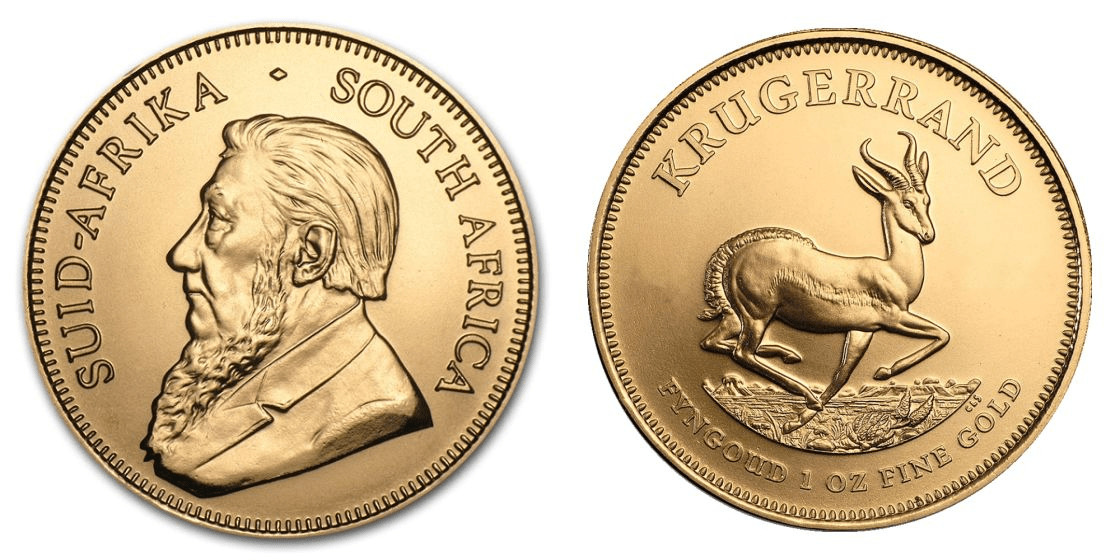
When comparing prices, one additional important point about weighing common gold bullion coins is to consider their purity. Two of the most popular and widely circulated fine gold coins are 22k gold, the South African Gold Krugerrand coin being one of them:
The highly popular 1 oz American Gold Eagle coin.
To end the video, we weigh the world's most popular gold coin by sales volume: The American Gold Eagle coin.
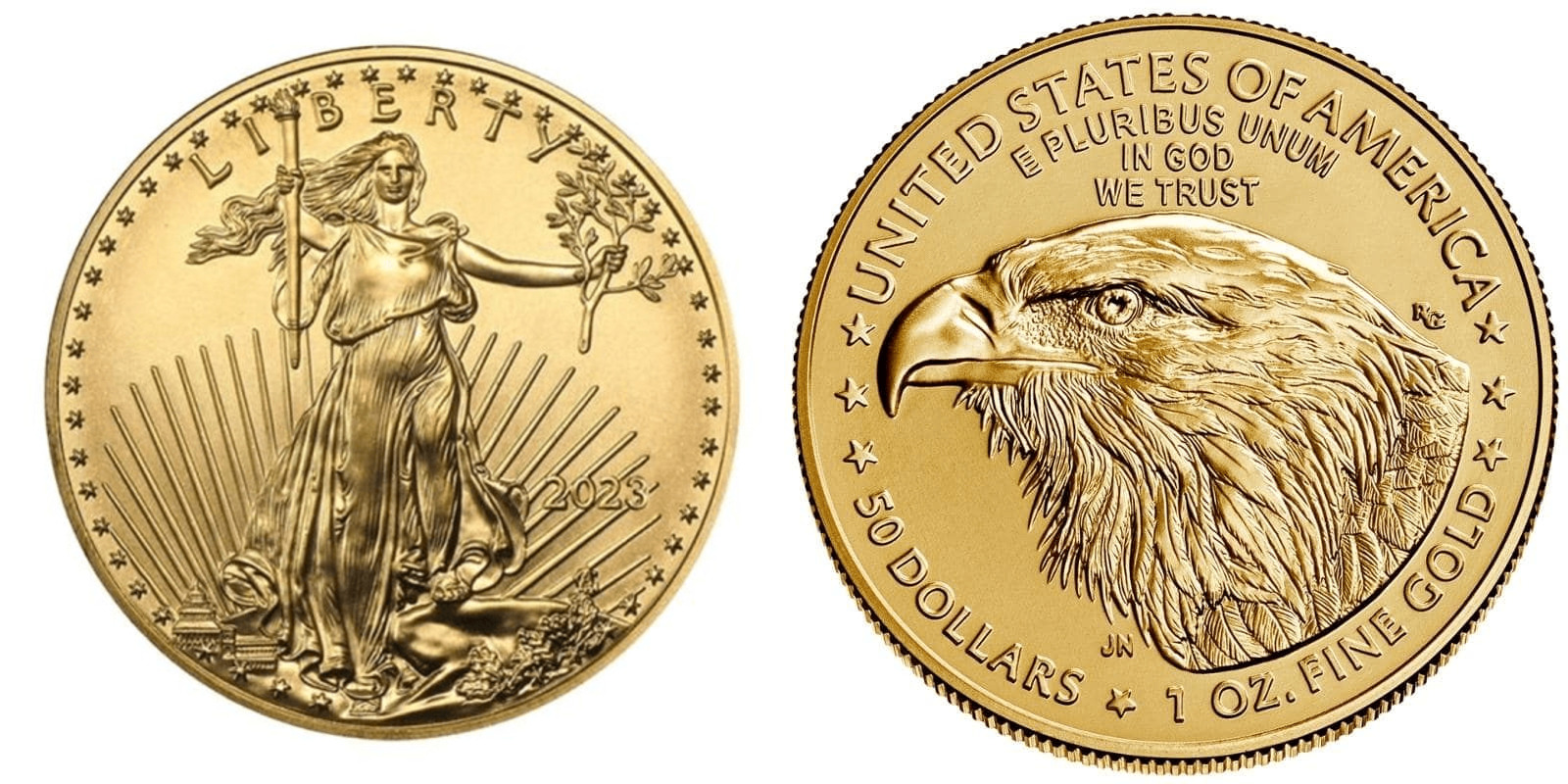
This 22k 1 oz Gold Eagle coin is made with an over .916 gold purity, yet the gold coin is also mixed with additional silver and copper inputs to make it more dent and warp resistant.
To ensure the gold weight in grams of 22k gold coins, we simply multiply 33.95 grams by its .916667 purity resulting in approximately 31.12 grams of the precious metal contained.
We hope this article and video helped you better understand precisely how many grams are in a troy ounce of gold bullion.
Learn More
You can learn way more about both Gold and other critical Precious Metals by getting our free 21st Century Gold Rush Guide instantly by email.
How many grams are in a troy ounce of gold?
A troy ounce weighs 31.1034768 grams. A regular (avoirdupois) ounce weighs 28.3495 grams. The troy ounce is approximately 9.7% heavier. All precious metals — gold, silver, platinum, and palladium — are weighed and priced exclusively in troy ounces. The avoirdupois ounce is used for everyday goods such as food and household measurements in the United States.
What is the difference between a troy ounce and a regular ounce?
A troy ounce weighs 31.1034768 grams, while a standard avoirdupois ounce — the "regular" ounce used on food packaging and in everyday US commerce — weighs only 28.3495 grams. That is a difference of approximately 2.75 grams, or about 10%. Precious metals, including gold, silver, and platinum, are universally traded and priced in troy ounces, never in avoirdupois ounces. Using the wrong unit when comparing gold prices or weights will skew calculations by roughly 10%.
How many grams are in an ounce of 14k gold?
One troy ounce of 14k gold weighs 31.1034768 grams total, but 14k gold is 58.3% pure gold (14 parts gold out of 24). That means each troy ounce of 14k gold contains approximately 18.13 grams of pure gold (31.1034768 × 0.583 = 18.13g), with the remaining weight made up of alloyed metals such as silver or copper. When comparing 14k gold to fine bullion, always account for the purity difference.
How do I convert grams to troy ounces?
To convert grams to troy ounces, divide the gram weight by 31.1034768. The formula is: m(troy oz) = m(g) ÷ 31.1034768. For example, 10 grams of gold equals 10 ÷ 31.1034768 = 0.3215 troy ounces. This calculation is essential when comparing gram-denominated products — such as Chinese Gold Panda coins, which are minted in 30g sizes — against troy-ounce-denominated bullion coins and bars.
How many troy ounces are in a kilogram of gold?
One kilogram of gold equals 32.1507 troy ounces. The formula is: m(troy oz) = 1,000 ÷ 31.1034768 = 32.1507 ozt. One-kilogram gold bars are one of the most common large gold bar sizes traded globally and held by institutional investors and central banks. Knowing this conversion lets buyers accurately compare per-troy-ounce pricing on kilo bars against standard one-ounce products.
How many grams are in a troy ounce of silver?
One troy ounce of silver weighs exactly 31.1034768 grams — the same as gold. Silver, like all precious metals, is measured and traded in troy ounces worldwide, not in avoirdupois ounces. Whether you are weighing gold, silver, platinum, or palladium, the troy ounce conversion factor is always 31.1034768 grams per troy ounce. The metal type changes; the weight system does not.
What is a pennyweight and how does it relate to grams?
A pennyweight (abbreviated dwt) is a traditional unit of weight used primarily by jewelers and in the gold trade. One pennyweight equals 1.55517 grams, and there are exactly 20 pennyweights in one troy ounce. Since 20 × 1.55517 = 31.1034 grams, pennyweights and troy ounces are directly related within the same troy weight system. Jewelers often quote gold scrap or jewelry in pennyweights, so knowing that 1 dwt = 1.55517g helps convert jeweler quotes back to standard gram or troy ounce values.