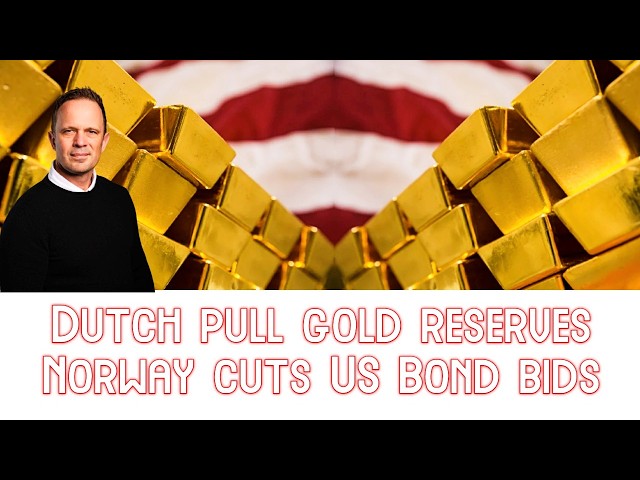
Gold and Silver Rally as Central Bank Buying, Currency Concerns and Rate Expectations Drive Demand
- Gold and silver posted strong weekly gains, with spot silver closing at $63.30 per ounce and spot gold finishing at $4,341 per ounce, while the gold-silver ratio declined to roughly 68:1.
- Gold’s sudden 4% surge has revived bullish sentiment, with Bloomberg Executive Editor Mark Cudmore arguing that weakening Federal Reserve credibility, lower expected real yields and pressure on the U.S. dollar could allow gold’s longer-term bull trend to reassert itself.
- Weak U.S. employment data added fuel to precious metals, as July registered net job losses following downward revisions to previously reported gains, reducing market expectations for a September rate increase.
- Currency intervention is emerging as another bullish macro catalyst for bullion. The update argues that recent U.S. Treasury intervention involving the Japanese yen—and concerns over how foreign reserve assets can be deployed—could accelerate central-bank efforts to diversify reserves away from fiat currencies and toward gold.
- Central-bank gold accumulation remains a major source of structural demand, led by China’s PBOC, which reportedly purchased nearly 20 metric tons in July 2026 and has continued buying through the recent price pullback. Singapore, the Czech Republic and Kazakhstan also reported additions.
- South Korea is returning to the gold market after more than 13 years, with plans initially focused on domestically mined and refined metal. Its gold allocation remains comparatively small at just 1.1% of foreign-exchange reserves as of June.
- Investment flows are beginning to improve alongside official-sector demand. Gold ETFs reversed several months of selling in July, including renewed buying from European investors, while Asian ETF demand remained comparatively resilient throughout the 2026 correction.
- Japan offers a striking example of gold’s appeal during currency weakness. Precious metals, gems and artwork sales at department stores reached a record roughly $2 billion in the first half of the year, up 19% year over year, as some consumers increasingly viewed gold and high-end jewelry as stores of value against a depreciating yen.
- Silver’s physical-demand outlook is also strengthening, with Metals Focus projecting India will import nearly 6,000 metric tons this year. Meeting that forecast would require roughly another 135 million ounces of imports through year-end, potentially combining with stronger investment demand to support prices.
- Despite the improving fundamental backdrop, both metals still face important technical hurdles. Gold’s 200-day moving average sits near $4,500 an ounce, while silver’s is just above $70, leaving those levels as notable benchmarks for determining whether the latest advance develops into a more durable bull-market breakout.
Central-bank gold purchases, a weaker outlook for U.S. rates and growing concerns over fiat currencies are converging with stronger physical demand to put gold and silver back in focus.
Gold and silver prices moved sharply higher this week as investors weighed weakening U.S. labor data, renewed central-bank gold purchases and growing concerns surrounding major fiat currencies. Spot gold price finished the week at $4,341 per oz, while spot silver price closed at $63.30 per ounce, bringing the gold-silver ratio down to approximately 68:1.
The rally comes as several potentially important forces begin converging across the precious metals markets, from shifting Federal Reserve expectations to continued official-sector gold accumulation and signs of strengthening physical silver demand.
Gold’s Rally Puts the Bull Market Back in Focus
Gold's recent move caught the attention of institutional market observers after the metal experienced a sudden 4% rally.
Bloomberg Executive Editor Mark Cudmore described the move as potentially signaling the return of gold's broader bullish trend. His argument centered on the relationship between gold, the U.S. dollar and real interest rates: if Federal Reserve credibility weakens and markets consequently anticipate lower real yields and a softer dollar, the fundamental environment could become increasingly supportive for gold.
That backdrop became more significant following the latest U.S. employment report.
Weak U.S. Jobs Data Changes the Rate Outlook
The U.S. labor market reported net job losses for July 2026, helping push both gold and silver higher. The report followed revisions showing that previously reported summer job gains had been overstated.
The deterioration in employment data also changed expectations surrounding monetary policy. According to the market update, a majority of market participants now expect no change in interest rates in September, reducing expectations for another near-term rate increase.
For precious metals, expectations for lower or stable interest rates can be significant because they reduce one of the potential headwinds facing non-yielding assets such as gold and silver.
Currency Intervention Raises New Questions About Reserve Diversification
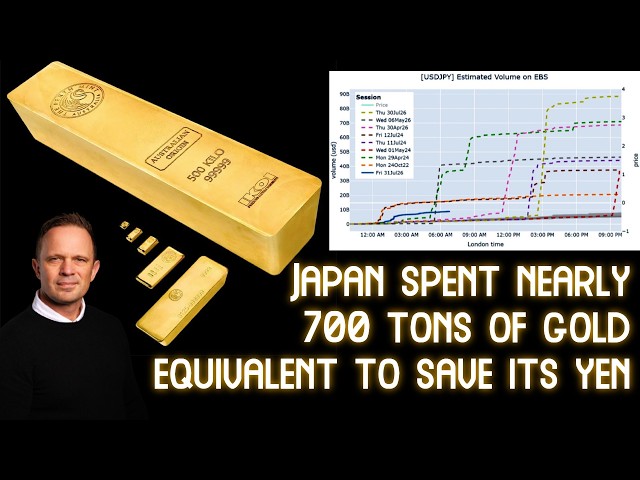
Another major theme this week was the fallout from the historic U.S. Treasury intervention in the Japanese yen market.
A Financial Times opinion piece highlighted in the update raised questions about the willingness of the United States to allow foreign central banks to freely deploy their U.S. dollar reserves. The argument is that uncertainty surrounding reserve assets could encourage countries to seek alternatives—and physical gold represents one of the most established reserve diversification options available to central banks.
Concerns extended beyond the yen. The update also cited reporting about disappointment among European policymakers over the United States selling euros as part of its intervention in the Japanese currency market. The episode adds another dimension to the debate over whether governments may increasingly prefer reserve assets that do not represent another country's financial liability.
China Leads Another Round of Central-Bank Gold Buying
Central banks continue to provide an important source of physical gold demand.
China's People's Bank of China reportedly purchased nearly 20 metric tons of gold during July 2026, continuing a pattern of buying during the gold-price pullback that began in March.
China is not alone. Singapore, the Czech Republic and the National Bank of Kazakhstan also recently reported additions to their gold reserves, while Poland has emerged as a particularly significant European buyer.
The trend suggests that official-sector demand remains an important pillar beneath the gold market even after its recent price correction.
South Korea Returns to Gold After More Than a Decade
South Korea also made headlines by announcing that it is beginning to purchase gold reserves again for the first time in more than 13 years.
The initial effort is expected to focus on gold mined and refined domestically. South Korea has considerable room to increase its exposure if policymakers choose to do so: according to the figures cited in the update, physical gold represented only about 1.1% of the country's foreign-exchange reserves at the end of June 2026.
The decision adds another country to the expanding list of central banks reconsidering the role of gold within national reserves.
Gold ETF Demand Begins to Recover
Demand is also showing signs of improvement outside the central-bank sector.
Gold ETF investment reportedly reversed several months of selling during July, with European investors returning as net buyers. Asian gold ETF demand, meanwhile, remained comparatively resilient and continued climbing through the 2026 gold-price pullback.
At the same time, reports continue to suggest that China wants to develop Hong Kong into a major hub for the global gold trade, potentially strengthening Asia's role in the international bullion market.
Japanese Consumers Turn to Gold as the Yen Weakens
Japan offers another example of how currency depreciation can influence demand for hard assets.
Department-store sales of gems, precious metals and artwork reached approximately $2 billion during the first half of the year, an increase of 19% from a year earlier and the highest level recorded since the data series began in 2008.
The increase comes as the yen's value in dollar terms has fallen to its lowest level in more than 30 years while inflation continues to erode consumer purchasing power. Some Japanese consumers are consequently shifting money from cash toward gold and branded jewelry that they believe may better preserve value.
The divergence between Japan's gold and silver markets is also notable. Gold bullion is currently trading at more than three times its old 1980 nominal high in yen terms, while silver remains below its corresponding 1980 nominal high.
India Could Become a Major Catalyst for Silver
While central-bank activity remains a dominant story for gold, silver has its own potentially significant physical-demand catalyst.
Metals Focus projects that India could import nearly 6,000 metric tons of silver this year, with the country's important festival season still several months away.
To reach that forecast, India would need to import approximately 135 million additional ounces of silver between now and the end of the year. Combined with potentially stronger investment demand during the second half of 2026, that level of physical buying could provide meaningful support for silver prices.
Gold and Silver Still Face Important Technical Levels
Despite this week's rally, neither metal has fully cleared the technical levels highlighted in the update.
Gold's 200-day moving average remains near $4,500 an ounce, compared with its weekly close of $4,341. Silver's 200-day moving average stands at just above $70 an ounce, versus its $63.30 weekly close.
Those levels could become important benchmarks for determining whether the latest advance develops into a more sustained precious-metals rally.
For now, the combination of central-bank accumulation, renewed ETF demand, currency instability, softer U.S. employment data and substantial prospective physical silver demand has put both metals back in focus.