Gold and Silver Face Rising Bond Yields as Morgan Stanley Highlights Strong Gold Demand, U.S. Interest Costs Climb and Rebecca Walser Points to Expanding Global Money Supply
- Gold and silver finished the week lower, pressured by rising Treasury yields and continued strength in the U.S. dollar. Silver price closed at $60.18 per ounce, while gold finished at $4,138 per ounce.
- The gold-to-silver ratio climbed to 68, as both precious metals remained well below their 200-day moving averages following recent price weakness.
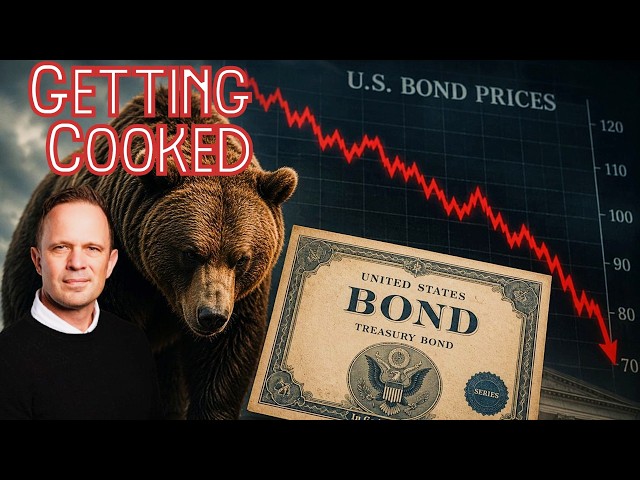
- The U.S. bond market remained a major headwind for precious metals. The 10-year Treasury posted its worst quarterly performance in more than three decades, while its longer-term performance has been among the weakest seen in roughly a century of data cited in the source.
- A weak U.S. jobs report briefly supported gold and silver, but the rebound faded as Treasury yields quickly resumed climbing, reinforcing pressure on non-yielding precious metals.
- Federal interest costs continue to attract attention, with the report stating that the U.S. government is spending a record 18.5% of total revenue on interest payments, adding to concerns about the long-term sustainability of government debt.
- Indian silver demand could become an important physical-market story this fall. Reports cited in the update suggest jewelry buyers are shifting toward silver as gold remains expensive, while India reportedly imported 15.5 million ounces of silver in August ahead of the festival season.
- Gold ETF investors have remained relatively resilient despite the recent selloff. The report notes that declining gold prices have not triggered substantial ETF selling, potentially indicating stronger institutional participation.
- Morgan Stanley's Amy Gower highlighted a tug-of-war in the gold market. Rising long-term bond yields and a stronger dollar remain significant headwinds, but central-bank purchases, Chinese demand, Polish buying and growing ETF holdings have helped keep gold spot price above $4,000 per ounce.
- Money-supply growth is returning to the precious-metals conversation. The update says U.S. M2 money supply is currently growing at more than a 5% annual rate, while China is also experiencing accelerating currency-supply growth.
- Gold's longer-term relationship with expanding money supply remains a key theme. Wealth manager Rebecca Walser argued on Bloomberg that gold acts as a barometer for monetary expansion and suggested that reconciling the growth in money supply against available gold could imply substantially higher theoretical gold valuations over time.
Treasury Yields Pressure Gold and Silver as Weak Jobs Data Offers Brief Relief, While Central Bank Buying, Chinese Demand and ETF Growth Help Keep Gold Above $4,000
Gold and silver traded lower during the week as rising U.S. Treasury yields and a stronger U.S. dollar continued to pressure precious metals. Silver finished the week at $60.18 per ounce bid, while gold closed at $4,138 per ounce bid. The gold-to-silver ratio increased to 68, with both metals trading well below their 200-day moving averages.
The latest moves come as the third quarter of 2026 ends with investors focused on an increasingly difficult bond market, government debt, physical precious metals demand, and expanding global money supplies.
U.S. Bond Market Remains a Major Headwind for Precious Metals
The U.S. bond market continues to play an important role in the direction of gold and silver prices. Treasury yields moved higher during the week, increasing competition for non-yielding assets such as physical gold and silver.
The 10-year Treasury recorded its worst quarter of performance in more than three decades. On a rolling 10-year basis, the source document also notes that the bond market's performance is among the weakest periods in approximately 100 years of the data presented.
Higher yields can create short-term pressure on precious metals because investors have the opportunity to earn income from government bonds. A stronger U.S. dollar has added another obstacle, as dollar-denominated gold and silver can become more expensive for buyers using other currencies.
Despite these conditions, gold has remained above $4,000 per ounce, highlighting the competing forces currently influencing the market.
Weak U.S. Jobs Report Briefly Supports Gold and Silver
A weaker U.S. jobs report provided temporary support for precious metals on Friday morning. Gold and silver initially responded positively as Treasury yields declined following the economic data.
The move did not last.
According to the source document, Treasury yields quickly began climbing again, and selling pressure returned to gold and silver almost immediately. The 10-year Treasury yield moved toward fresh 24-year highs as the bond market resumed its selloff.
The reaction demonstrates how sensitive precious metals remain to changes in interest rates and Treasury yields. Economic reports that would normally support gold and silver can have limited impact when movements in the bond and currency markets dominate trading.
Rising Government Interest Costs Come Into Focus
The broader issue behind rising Treasury yields is the growing cost of financing U.S. government debt.
According to the source document, the federal government is currently spending a record 18.5% of its total revenue simply to cover interest on existing debt. The report compares today's debt environment with the period following World War II, when U.S. debt-to-GDP levels were also close to 130%.
The question for precious metals markets is how long elevated yields can persist as government refinancing and interest expenses increase.
Gold has more than doubled in U.S. dollar terms during the roughly four-and-a-half-year period discussed in the source, even as 10-year Treasury yields moved further into positive territory after adjusting for reported inflation.
Indian Buyers Shift Toward Silver
Physical demand is providing another important story for precious metals investors.
Reports from India suggest some jewelry buyers are shifting toward silver as gold remains expensive ahead of the country's festival season. India reportedly imported approximately 15.5 million ounces of silver during August.
India is one of the world's major precious metals markets, making its import activity an important indicator to watch through the remainder of 2026.
If strong buying continues through the festival season, Indian silver imports could become an increasingly important component of global physical demand.
Gold ETF Investors Hold Their Positions
Gold's recent price weakness has also produced an unusual development in exchange-traded fund holdings.
The source document notes that the latest gold selloff has not produced significant selling among gold ETF holders. Instead, holdings continued increasing through September, despite a Federal Reserve rate hike and rising bond yields.
That behavior differs from what might typically be expected when interest rates rise because higher yields increase the opportunity cost associated with holding a non-yielding asset.
Continued ETF demand alongside physical buying therefore represents an important counterweight to the pressure coming from bonds and the dollar.
Morgan Stanley's Amy Gower Explains Gold's Resilience
Morgan Stanley's Amy Gower highlighted this conflict between short-term market pressure and longer-term gold demand.
Gower said rising long-dated bond yields and a stronger dollar represent significant headwinds for gold. Because gold does not generate a yield, it must compete with bonds and other income-producing assets when investors decide where to allocate capital.
However, she pointed to gold remaining above $4,000 per ounce despite those conditions as evidence that other sources of demand continue to support the market.
Gower cited central bank buying, purchases from China and Poland, and increasing gold ETF holdings. She also noted that Chinese gold imports have been more than 10 times the amount added to official People's Bank of China reserves, indicating additional sources of Chinese demand outside reported central bank purchases.
Longer-term concerns surrounding currency debasement, government debt and fiscal sustainability are also continuing to influence demand, according to Gower.
U.S. and Chinese Money Supplies Begin Expanding Again
Another development to watch is the renewed expansion of global currency supplies.
The source document reports that U.S. M2 money supply is now increasing at a rate exceeding 5% annually and has climbed trillions of dollars above previous levels following the pandemic-era monetary expansion.
China is experiencing a similar trend. Growth in yuan and U.S. dollar currency supplies is approaching rates not seen since the COVID period, according to the report.
For precious metals markets, renewed monetary expansion is particularly noteworthy because gold is frequently evaluated against the long-term purchasing power and supply of fiat currencies.
Rebecca Walser Discusses Gold and Money Supply on Bloomberg
Rebecca Walser, president of Walser Wealth Management, focused on that relationship during an appearance on Bloomberg.
Walser described gold as a "barometer asset" for evaluating the effects of expanding global currency supplies. She connected gold's substantial rise over recent years with the monetary expansion that occurred during and after the COVID period.
Walser argued that comparing the amount of currency created with the limited amount of existing gold could support much higher theoretical gold valuations. She suggested that such a calculation could potentially place gold closer to $18,000 per ounce, although this represents her own valuation view rather than a current market price or forecast established by the source document.
Her comments highlight a broader debate surrounding gold: whether investors should focus primarily on near-term interest rates and Treasury yields or on longer-term growth in government debt and fiat currency supplies.
What Gold and Silver Investors Are Watching Next
Gold and silver enter the next trading period caught between powerful competing forces.
Rising Treasury yields and a stronger U.S. dollar continue to create immediate pressure. At the same time, central bank purchases, Chinese demand, Indian silver imports and resilient gold ETF holdings indicate that physical and institutional demand has not disappeared.
Government interest expenses and renewed U.S. and Chinese money-supply growth add another layer to the longer-term precious metals story.
For now, the bond market remains one of the most important factors to watch. Whether Treasury yields continue climbing or begin to stabilize could have a significant influence on the next major move in gold and silver prices.
Sources:
Amy Gower Says Gold Faces Rate and Dollar Headwinds
https://youtu.be/x9GZ26xyOuc?si=q5IA_XrOVsRQQGxd
Bonds, Equity Markets, and Gold w/ Rebecca Walser
https://youtu.be/QFuslmM5Uuk?si=I8AK0LRrOz2uoZeN