



Bullion Starter Choices and Storage
Bullion starter choices and storage options offer a starting point for exploring physical precious metals and keeping a collection organized. When comparing listings, details such as bullion weight and dimensions, along with storage capacity and fit, help distinguish the available options and clarify which pieces and storage options are compatible.


Bullion Starter Choices and Storage
FAQs
Bullion coins are issued under a government’s authority and typically carry a face value. Rounds are generally privately minted, coin-shaped pieces without a legal-tender denomination. Bars are commonly rectangular and often display the producer’s name and metal purity.
Purity markings describe the proportion of precious metal in a piece. For example, .999 indicates 99.9% purity, while .9999 indicates 99.99% purity. Markings and purity standards vary by metal, mint, and product type.
Bullion is primarily characterized by its precious metal content and purity. Numismatic coinage is collected and studied for features such as age, rarity, condition, design, and historical significance. Some coins have both bullion and numismatic characteristics.
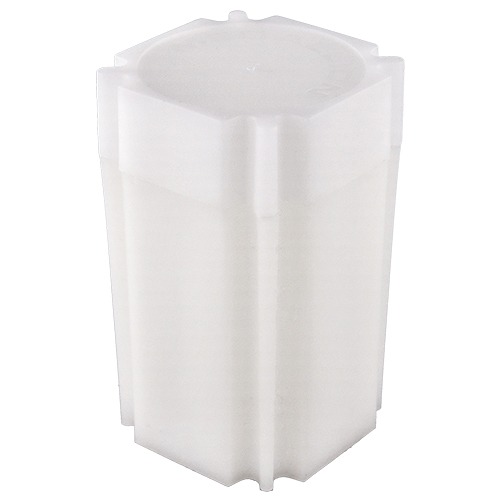
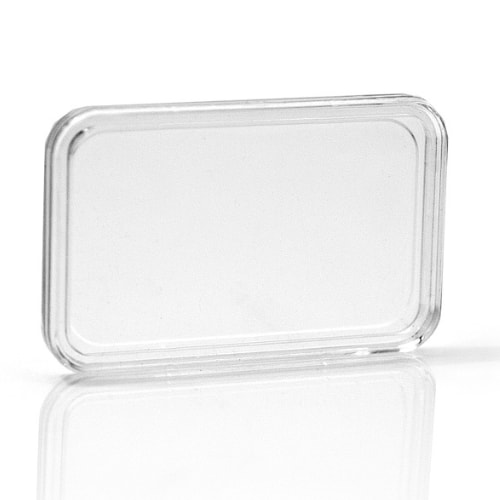
Common storage formats include individual coin capsules, mint tubes, bar sleeves, and presentation boxes. Bullion may also come in sealed mint packaging or assay packaging that displays identifying details. The packaging supplied varies by item and producer.
Common organization methods include grouping pieces by metal, mint, product form, or series. Collection records can include purity, inscriptions, acquisition dates, photographs, and serial numbers when present. Matching storage labels with record entries helps distinguish similar-looking pieces.