Large silver coins

Large silver coins pair substantial weight with room for intricate artwork. For a personal collection or a thoughtful collector gift, differences in sculpted detail, surface finish, wildlife imagery, and commemorative themes offer distinct points of interest. Each coin's listed weight, design, and presentation help explain what sets it apart.

Grid
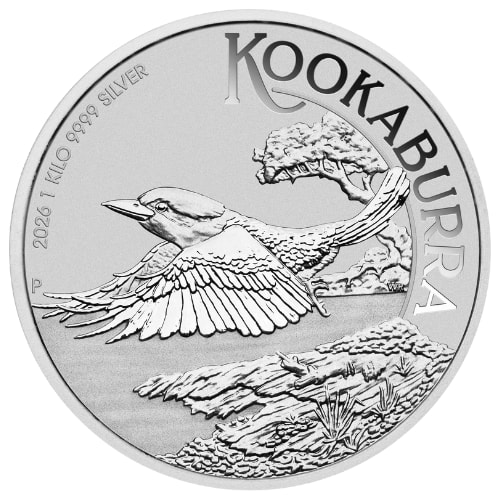
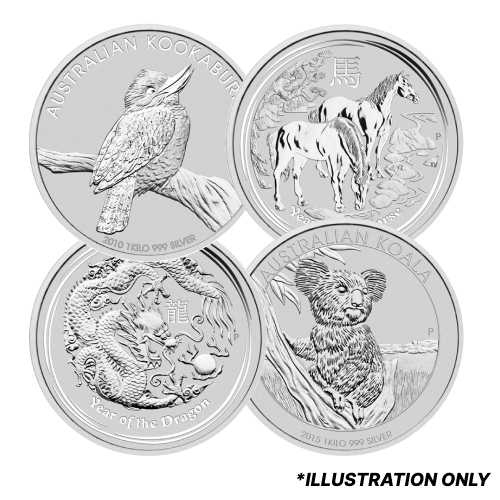
2026 1 Kilo Australian Silver Kookaburra Coin BU
A brilliant uncirculated coin featuring pure silver and the iconic Australian kookaburra design.
0 reviews
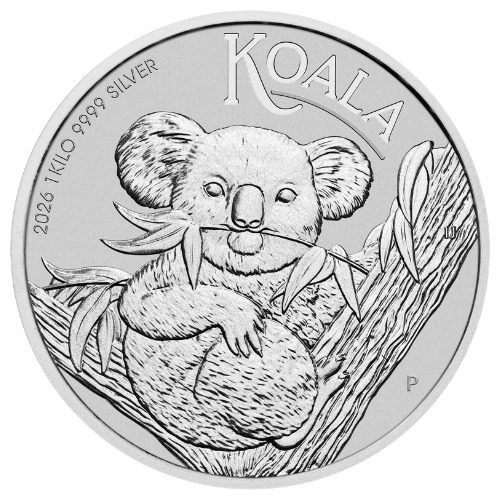
2026 1 Kilo Australian Koala Silver Coin
A stunning silver coin featuring a detailed koala design, crafted from one kilo of pure silver.
0 reviews
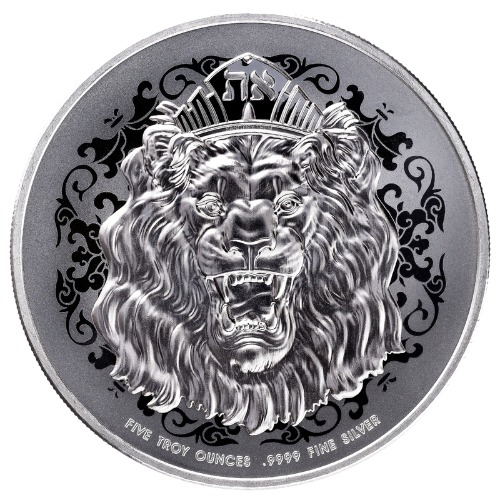
2026 5 oz Roaring Lion High Relief Silver Coin
A striking high relief coin crafted from 5 oz of pure silver featuring a roaring lion design.
0 reviews
2026 2 oz Australian Turtle Yaunati Antique Colorized Silver Coin with Box and COA
An antique-finished, colorized silver coin featuring the 2026 Australian Turtle Yaunati, presented with box and COA.
0 reviews
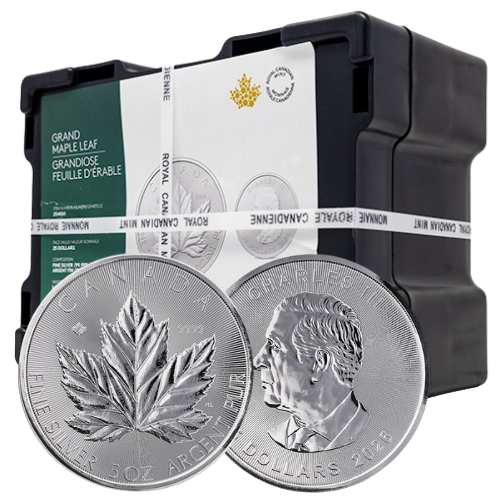
2026 5 oz Canadian Silver Grand Maple Leaf Coin BU
A brilliant uncirculated coin featuring 5 oz of pure silver with a detailed maple leaf design.
86 reviews
5 oz ATB America The Beautiful Silver Coin - Random Year
A stunning silver coin featuring iconic American landmarks, struck in 5 troy ounces of pure silver.
20 reviews
Grid

Large silver coins

Large silver coins are silver coins with a substantial diameter, weight, or both, ranging from broad one-ounce pieces to oversized issues containing several kilograms of silver. There is no single size that defines the category. One-troy-ounce coins provide a familiar reference point, while 2-ounce, 5-ounce, 10-ounce, and kilogram formats offer progressively more metal and room for detailed artwork. Precious metals are measured in troy ounces rather than the everyday ounces used for groceries: one troy ounce equals approximately 31.1035 grams, and one kilogram equals about 32.15 troy ounces. Diameter and weight do not always increase together. A thicker coin can contain considerably more silver without being much wider than a lighter piece, while a thinner, broad-format coin spreads its weight across a larger surface. Many one-ounce silver coins measure close to 40 millimeters across, while some five-ounce formats reach approximately 3 inches in diameter. Exact dimensions depend on the issue, making diameter, thickness, and silver content separate characteristics. Modern bullion coins are commonly struck in .999 or .9999 fine silver, meaning 99.9% or 99.99% silver, respectively. Older circulating coins often contain silver alloyed with copper, which adds hardness and changes the relationship between total weight and actual silver content. A large diameter alone therefore does not establish how much silver a coin contains. Government authorization also distinguishes coins from privately produced silver rounds, which can have similar shapes, weights, and designs but do not carry the same monetary status. A denomination identifies a coin’s face value; it does not describe its weight, purity, or dimensions. Together, these details explain why two silver pieces that look similar in a photograph can feel quite different in hand. The edge may be plain, reeded, or inscribed, and the rim can frame a shallow design or surround more pronounced relief. Those physical differences are part of the character of large-format silver coinage, not simply variations in size.

The appeal of a larger coin often begins with the artwork. A broad surface gives a landscape room to unfold, separates the feathers of a bird’s wing, and makes small inscriptions easier to examine. Portraits, wildlife, national emblems, architectural subjects, and scenes drawn from history can take on a different presence when the design is not compressed into a smaller field. High-relief striking adds depth, allowing raised elements to cast small shadows as the viewing angle changes. Surface finish contributes another layer of detail. Bullion finishes generally emphasize the struck design and the metal itself, while proof finishes often pair reflective fields with frosted design elements. Reverse proof finishes commonly reverse that contrast, and antiqued treatments deliberately darken portions of the surface to emphasize texture and relief. These terms describe appearance or production methods, not a higher level of silver purity. Proof is also a method of manufacture rather than a statement that a coin has remained free of marks. Historical examples bring a different kind of interest. The appeal of Old Silver Coins often rests in their connection to earlier commerce, changing national imagery, and the visible traces of circulation. Many older pieces contain less than one troy ounce of fine silver despite having a substantial diameter, so historical size and modern bullion weight are not interchangeable ideas. Collectors may focus on a recurring subject, a particular era, a range of finishes, or the contrast between compact and oversized formats. Others appreciate a single large coin as a display piece whose details remain visible without magnification. As gifts, these coins can connect with an interest in wildlife, history, art, or craftsmanship, including for milestone birthdays, graduations, and retirements. The subject can make the gift personal, while its dimensions and presentation determine whether it suits a desk display, a fitted case, or an established collection.

The practical side of large silver coins is closely tied to their size and surface. A capsule that fits a standard ounce may not accommodate a wider or thicker issue, and matching diameter alone does not establish a proper fit. Internal depth, rim height, and clearance above raised details all affect whether a holder supports the coin without pressing against its design. Larger pieces also place more weight on trays, display stands, and storage compartments. A fitted presentation case can provide support while keeping the coin separate from harder objects that might leave contact marks. Although silver has a substantial feel, high-purity silver is relatively soft, and broad polished fields can show fingerprints, fine scratches, or friction clearly. Handling by the edges limits contact with the main surfaces; clean, powder-free gloves can further reduce direct contact when a coin is outside its capsule. Silver also reacts with sulfur-containing compounds in the surrounding environment, producing toning that may appear gold, brown, blue, or nearly black. This surface change is distinct from a change in the coin’s stated silver content. Some collectors appreciate naturally developed toning, while others prefer a brighter appearance, but abrasive polishing can remove metal and alter the original finish. Cleaning can be especially consequential for proof surfaces and historical pieces, where fine hairlines or disturbed patina may remain visible under angled light. Inert holders and PVC-free storage materials reduce contact with substances that can leave residue or damage surfaces over time. For display, a stable base, a well-fitted enclosure, and enough space around the coin help keep its scale and detail visible without frequent handling. Original packaging and accompanying documentation can also preserve information about an issue’s weight, composition, finish, and production background. These considerations connect the visual appeal of a large silver coin with the physical requirements of keeping it as part of a collection: substantial metal, detailed craftsmanship, and a format that deserves appropriately sized housing.

FAQs