

Jake Paul silver collectibles

Jake Paul silver collectibles connect an interest in the creator and boxer with the craftsmanship of collectible silver. For a personal collection or a fan-focused gift, the artwork, finish, grading information, and placement of an autograph help distinguish one piece from another.
Grid
2024 Celebrity Mint PCGS MS-70 1 oz American Silver Eagle Coin -  Jake Paul Signed Label - White Core
A pristine silver coin featuring a Jake Paul signed label and a striking white core design.
0 reviews
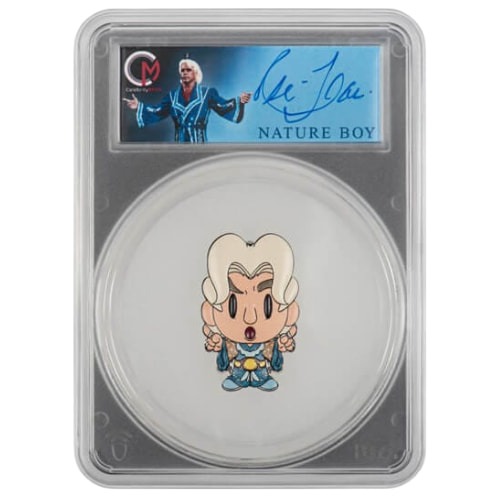
2024 PCGS PR-70 2 oz Celebrity Mint Jake Paul Colorized Chibi - Silver Autographed Label
A colorized silver chibi coin featuring Jake Paul with an autographed label and flawless PR-70 grade.
0 reviews
2024 PCGS PR-70 2 oz Celebrity Mint Jake Paul Gilded Chibi - Silver Autographed Label
A gilded silver collectible coin featuring Jake Paul, graded PCGS PR-70 with an autographed label.
0 reviews
Grid

Jake Paul silver collectibles

Jake Paul silver collectibles connect precious-metal craftsmanship with the personality and imagery of a public figure known for online entertainment and professional boxing. These collectibles belong to the broader world of sports and celebrity memorabilia, where a portrait, signature, or recognizable design can give a physical object meaning beyond its material composition. For followers of Paul’s boxing career, silver offers a different way to represent that interest than a poster, trading card, or piece of apparel. The appeal combines recognizable subject matter with the weight, finish, and detail of a struck collectible. Designs in this category may incorporate portraiture, boxing references, stylized artwork, or colorized elements, with each approach creating a different impression in a display. A realistic portrait emphasizes facial detail and relief, while a cartoon-inspired interpretation gives the subject a more playful character. Material specifications remain separate from those artistic choices: .999 fine silver means a stated silver fineness of 99.9%, while weight describes the amount of material in the piece. Precious-metal weights are commonly expressed in troy ounces, with one troy ounce equal to approximately 31.1 grams. Diameter and thickness also affect how a collectible looks and feels, so equal weights do not necessarily mean equal dimensions. The distinction between a coin and a round adds another layer of context. A coin is issued under a governing authority and carries a denomination, whereas a round can resemble a coin without having legal-tender status. Neither term alone describes the complexity of the artwork, the condition of the surface, or the presence of a signature. For Jake Paul-themed silver, those details help distinguish the physical format from the subject being commemorated. The result is a category that can appeal to boxing followers, celebrity memorabilia collectors, and silver enthusiasts interested in contemporary popular culture.

Finish, grading, and signature presentation describe different aspects of a collectible, even when they appear together on the same label. A proof finish generally results from specialized preparation and striking methods intended to produce sharply defined detail and carefully controlled surfaces. Mirrored backgrounds and frosted design elements can create a pronounced contrast, but “proof” describes a method of manufacture rather than a promise of flawless condition. On third-party grading labels, a designation such as PR70 identifies a proof receiving the highest numerical grade on the commonly used 70-point scale. DCAM, short for Deep Cameo, refers to strong contrast between frosted design elements and reflective fields. These terms describe particular characteristics; they do not establish the silver weight, licensing status, or authenticity of an accompanying autograph. Colorization is another separate feature, adding artwork to the metal’s surface rather than changing the stated silver fineness. On a stylized design, color can make clothing, facial features, and boxing imagery more immediately recognizable, while an uncolored finish places greater emphasis on relief and reflected light. Signature placement matters just as much as signature presence. An autograph on a grading label is physically different from an autograph on the collectible itself or on a separate certificate, and a printed signature is not the same as a handwritten one. Authentication records and label descriptions provide context for understanding those distinctions. A certification number identifies a grading record, while a stated mintage describes a production total; neither number substitutes for the other. Likewise, an individual serial number and a numbered presentation package can serve different identification purposes. Within the broader category of Graded Sports Memorabilia Silver Coins, these details give collectors a vocabulary for describing what a piece actually includes. For Jake Paul silver collectibles, the combination of subject, artwork, finish, holder, and documentation shapes the character of the presentation without making every example interchangeable.

The practical side of owning silver memorabilia centers on surface care, storage fit, and intended use. Fine silver is relatively soft, so a sharp-looking design can still acquire contact marks through rubbing, loose storage, or repeated handling. Reflective proof fields are especially revealing: a fingerprint or fine hairline can stand out when the piece tilts under a light. Skin oils and residue can affect the appearance of exposed silver, while friction from wiping or polishing can alter an original finish. Colorized surfaces introduce an additional consideration because the applied artwork may respond differently to cleaning agents or abrasion than the underlying metal. Capsules and sealed grading holders provide a barrier against direct contact, though they do not make the contents immune to environmental changes. Silver can develop toning through reactions with substances in its surroundings, including sulfur-containing materials. Archival storage materials, PVC-free holders, and separation from household chemicals reduce avoidable exposure without requiring the collectible to become an everyday handling object. Fit is particularly important for display: a case designed for a loose round may not accommodate a rectangular grading holder, and a fitted recess depends on the holder’s outer dimensions rather than the silver weight alone. Holder thickness, label visibility, and space around a presentation box all affect how a display comes together. Bright direct light can also affect some printed packaging, inks, and signature materials over time. In a home office or memorabilia cabinet, a labeled holder allows the subject and identifying details to remain visible without opening the enclosure. As gifts, Jake Paul-themed silver collectibles may suit a boxing fan’s birthday, a personal milestone, or a shared interest between friends who follow the sport. Their compact format can fit into an established memorabilia collection without requiring the wall space of a framed poster or signed garment. For some recipients, the main attraction is the connection to Paul’s public career; for others, it is the combination of silver craftsmanship and sports imagery. Both perspectives place the emphasis on the object itself: its material, design, condition, and personal relevance.

FAQs